 Arnulf Rainer
Select exactly what you are looking for
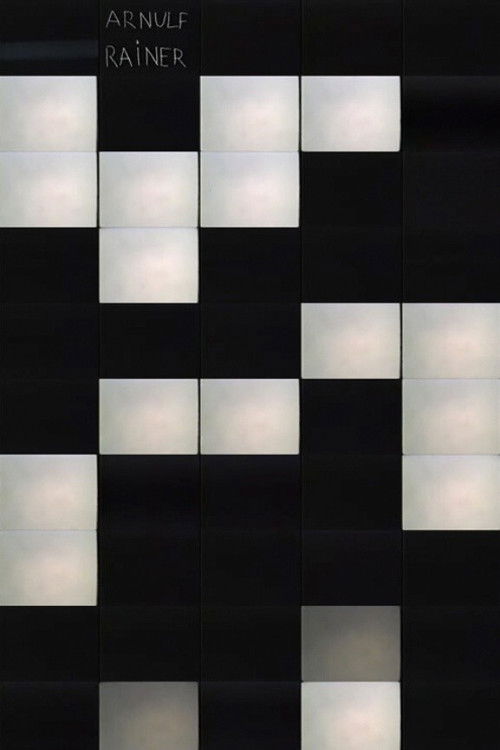
An experimental film, the last in Peter Kubelka's trilogy of “metric films”. Each frame of Arnulf Rainer is composed of darkness or light and silence or sound.
Arnulf Rainer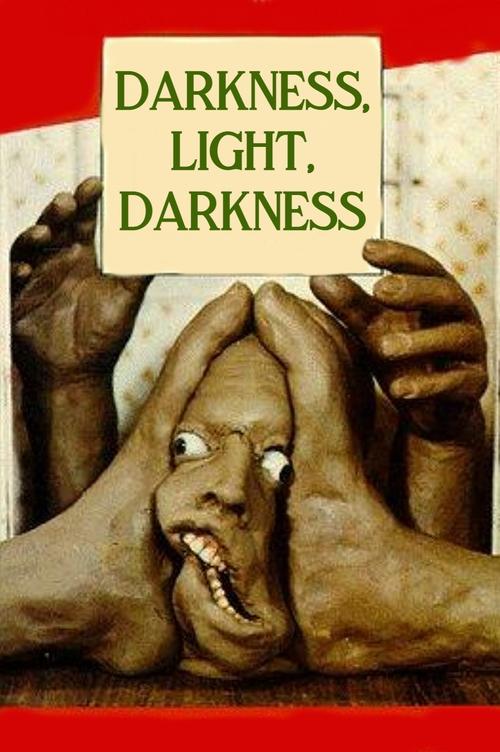
A human body gradually reconstructs itself as its various component parts crowd themselves into a small room and eventually, after much experimentation, sort out which part goes where.
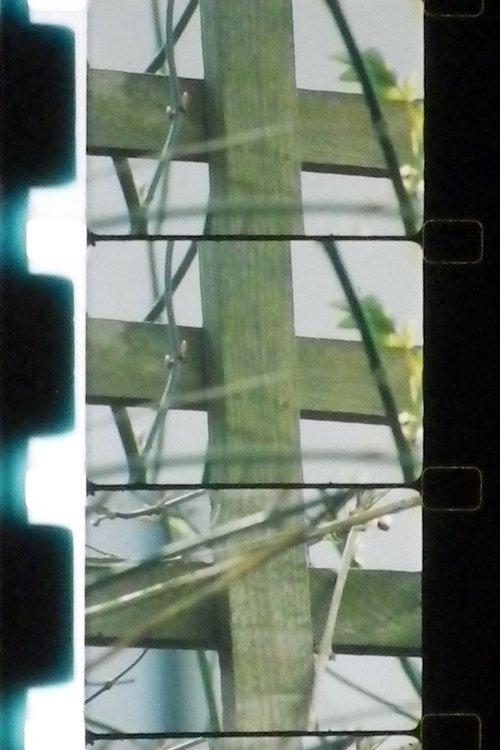
The film is composed of receding planes in a landscape: a back garden and the houses beyond. The wooden lattice fence, visible in the image, marks the border between enclosed and open, private and public space, and forms both a fulcrum for the work and a formal grid by which the shots are framed and organised.
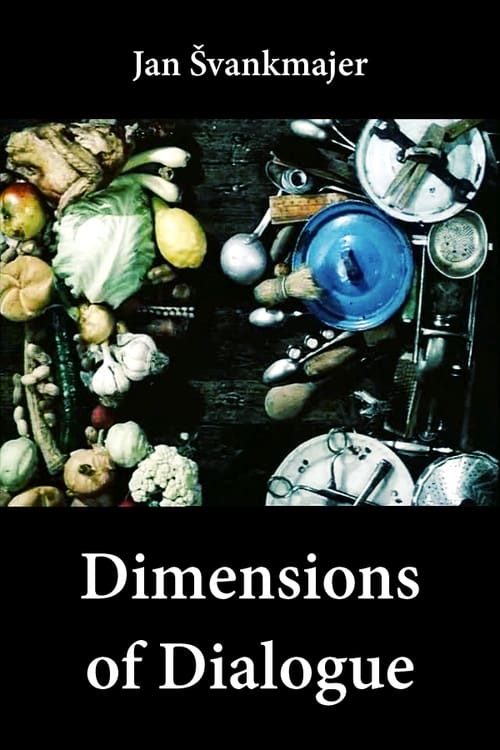
Three surreal depictions of failures of communication that occur on all levels of human society.
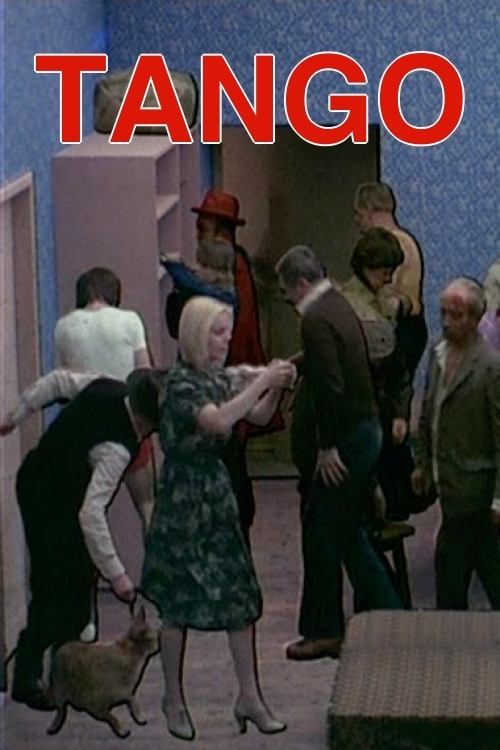
A static camera observes a room as it slowly fills with thirty-six characters from different stages of life, looping further through an absurd dance of social disconnection as each character moves in.
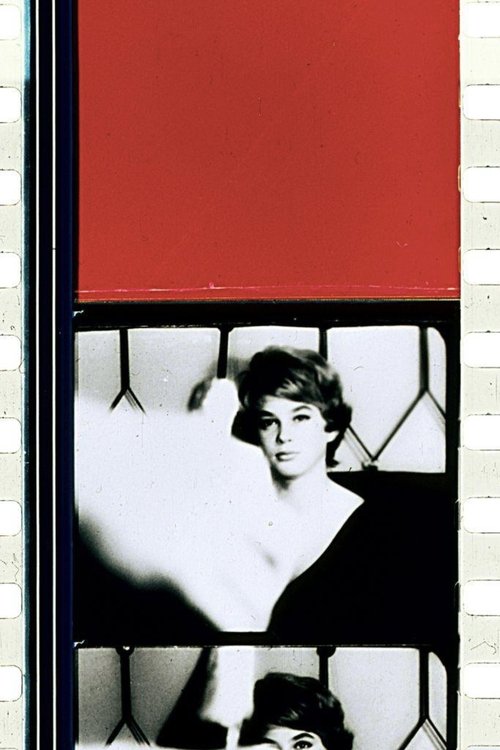
In 1957, Peter Kubelka was hired to make a short commercial for Schwechater beer. The beer company undoubtedly thought they were commissioning a film that would help them sell their beers; Kubelka had other ideas. He shot his film with a camera that did not even have a viewer, simply pointing it in the general direction of the action. He then took many months to edit his footage, while the company fumed and demanded a finished product. Finally he submitted a film, 90 seconds long, that featured extremely rapid cutting (cutting at the limits of most viewers' perception) between images washed out almost to the point of abstraction — in black-and-white positive and negative and with red tint — of dimly visible people drinking beer and of the froth of beer seen in a fully abstract pattern.
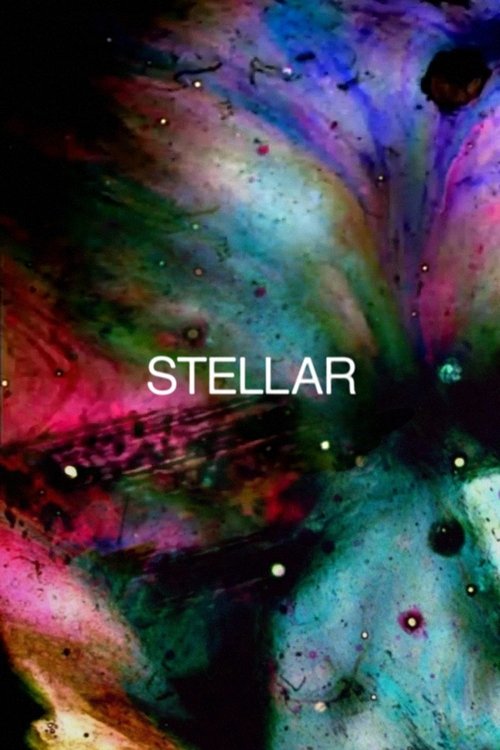
This is a hand-painted film which has been photographically step-printed to achieve various effects of brief fades and fluidity-of-motion, and makes partial use of painted frames in repetition (for "close-up" of textures). The tone of the film is primarily dark blue, and the paint is composed (and rephotographed microscopically) to suggest galactic forms in a space of stars.
After the title, a white screen gives way to a series of frames suggestive of abstract art, usually with one or two colors dominating and rapid change in the images. Two figures emerge from this jungle of color: the first, a shirtless man, appears twice, coming into focus, then disappearing behind the bursts and patterns of color, then reappearing; the second figure appears later, in the right foreground. This figure suggests someone older, someone of substance. The myth? Preserved by the Academy Film Archive in 2012.
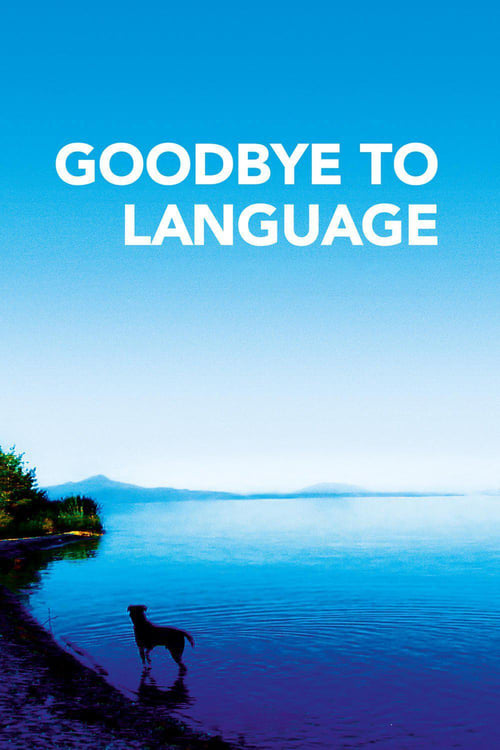
The idea is simple / A married woman and a single man meet / They love, they argue, fists fly / A dog strays between town and country / The seasons pass / The man and woman meet again / The dog finds itself between them / The other is in one, / the one is in the other / and they are three / The former husband shatters everything / A second film begins: / the same as the first, / and yet not / From the human race we pass to metaphor / This ends in barking / and a baby's cries / In the meantime, we will have seen people talking of the demise of the dollar, of truth in mathematics and of the death of a robin." - JLG
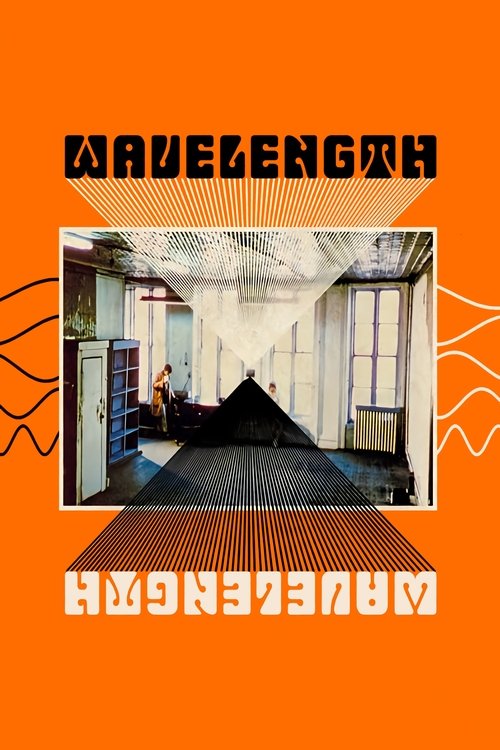
Wavelength consists of almost no action, and what action does occur is largely elided. If the film could be said to have a conventional plot, this would presumably refer to the three “character” scenes. In the first scene two people enter a room, chat briefly, and listen to “Strawberry Fields Forever” on the radio. Later, a man (played by filmmaker Hollis Frampton) enters inexplicably and dies on the floor. And last, the female owner of the apartment is heard and seen on the phone, speaking, with strange calm, about the dead man in her apartment whom she has never seen before.
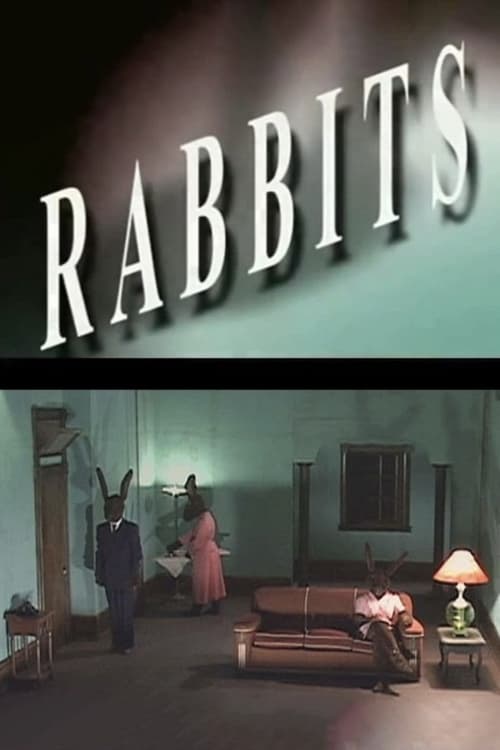
A story of a group of humanoid rabbits and their depressive, daily life. The plot includes Suzie ironing, Jane sitting on a couch, Jack walking in and out of the apartment, and the occasional solo singing number by Suzie or Jane. At one point the rabbits also make contact with their “leader”.
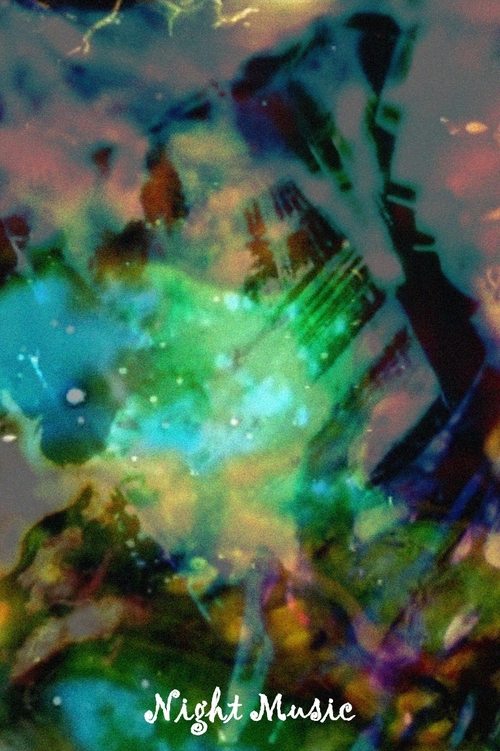
Part of Three Hand-Painted Films, Night Music (originally painted on IMAX) attempts to capture the beauty of sadness, as the eyes have it when closed in meditation on sorrow.
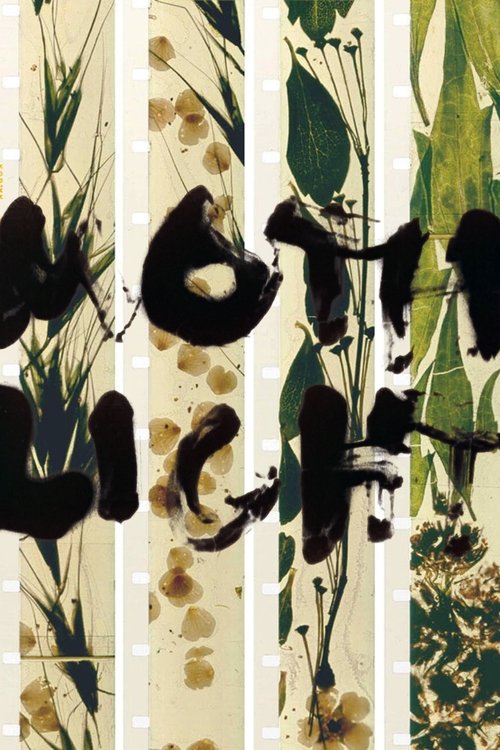
Seemingly at random, the wings and other bits of moths and insects move rapidly across the screen. Most are brown or sepia; up close, we can see patterns within wings, similar to the veins in a leaf. Sometimes the images look like paper cutouts, like Matisse. Green objects occasionally appear. Most wings are translucent. The technique makes them appear to be stuck directly to the film.
A fine day in the life of a fly presented completely from the fly's point of view. A fine day until something dreary happens, that is.
A dark comedy about a murder and its consequences presented in a backwards manner, where death is actually a rebirth. The film starts with an "execution" of the main protagonist and goes back to explore his previous actions and motivations.
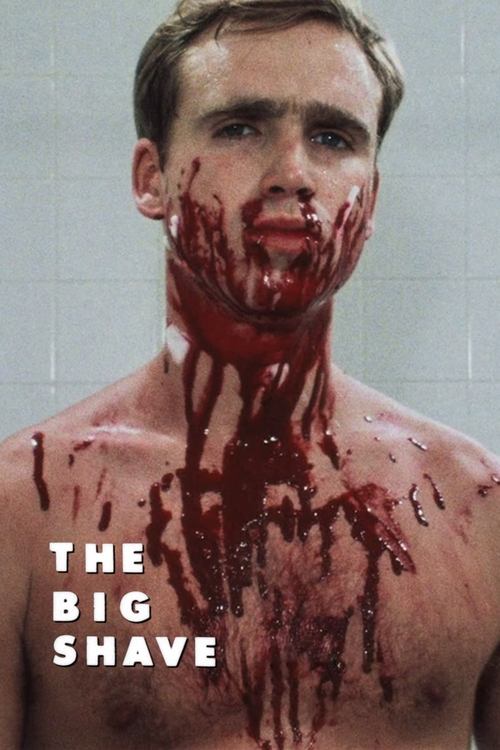
A young man walks into a meticulously clean and sterile bathroom and proceeds to shave away hair, then skin, in an increasingly bloody and graphic bathroom scene.
A reflection on human life in all its beauty and cruelty, its splendor and banality, guided by a Scheherazade-esque narrator. Inconsequential moments have the same significance as historical events. Simultaneously an ode and a lament, presents a kaleidoscope of all that is eternally human, an infinite story of the vulnerability of existence.
A creation myth realized in light, patterns, images superimposed, rapid cutting, and silence. A black screen, then streaks of light, then an explosion of color and squiggles and happenstance. Next, images of small circles emerge then of the Sun. Images of our Earth appear, woods, a part of a body, a nude woman perhaps giving birth. Imagery evokes movement across time. Part of the Dog Star Man series of experimental films.
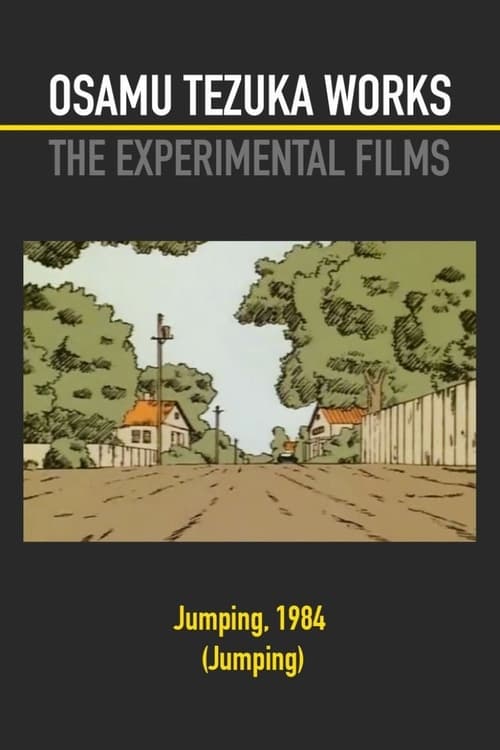
A boy walks down the street and as he goes along his strides increase. Eventually he leaps over towns, forests, and oceans, seeing many things and surprising many people along the way.
A naive young man witnesses an escalation of violence in his small hometown following the arrival of a mysterious circus attraction.
A collection of stories about and images of our world, offering an immersion to the core of what it means to be human. Through these stories full of love and happiness, as well as hatred and violence, it brings us face to face with the Other, making us reflect on our lives. From stories of everyday experiences to accounts of the most unbelievable lives, these poignant encounters share a rare sincerity and underline who we are – our darker side, but also what is most noble in us, and what is universal. Our Earth is shown at its most sublime through never-before-seen aerial images accompanied by soaring music, resulting in an ode to the beauty of the world, providing a moment to draw breath and for introspection. This film is a politically engaged work which allows us to embrace the human condition and to reflect on the meaning of our existence.
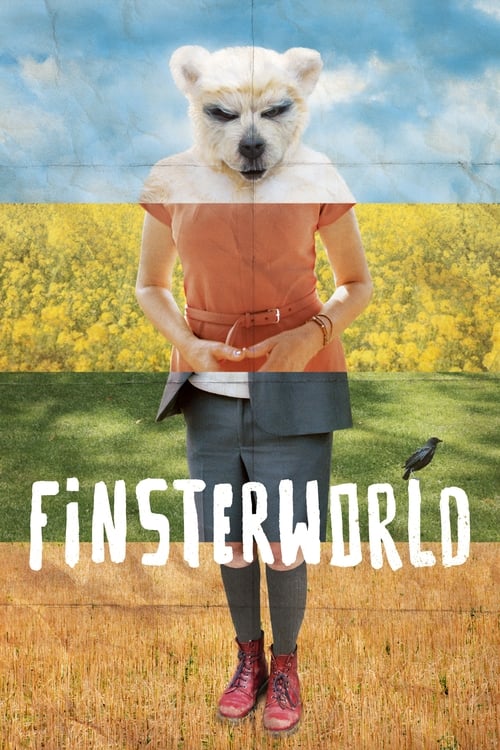
The film tells different stories in a kind of parallel Germany about love, affection and hatred.
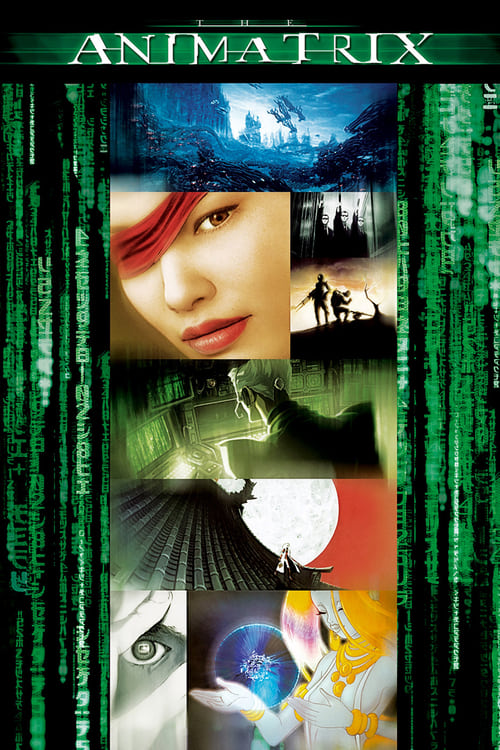
Straight from the creators of the groundbreaking Matrix trilogy, this collection of short animated films from the world's leading anime directors fuses computer graphics and Japanese anime to provide the background of the Matrix universe and the conflict between man and machines. The shorts include Final Flight of the Osiris, The Second Renaissance, Kid's Story, Program, World Record, Beyond, A Detective Story and Matriculated.
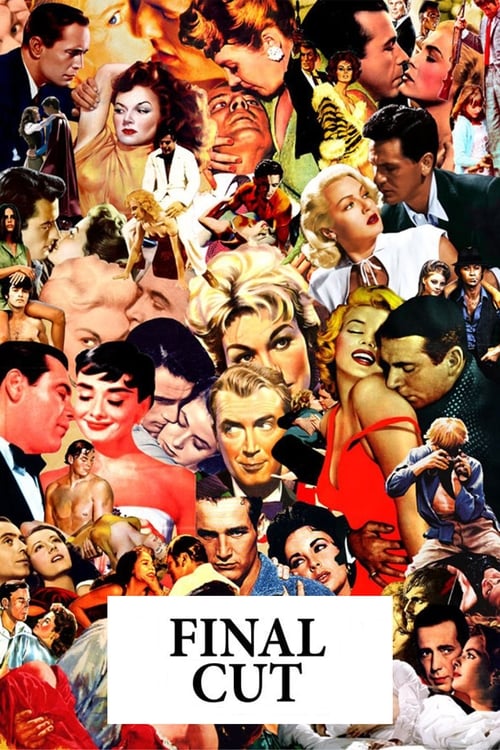
A film where anything can happen - the hero and the heroine changes their faces, age, look, names, and so on. The only same thing: The love between man and woman... in an archetypical love story cut from 500 classics from all around the world.
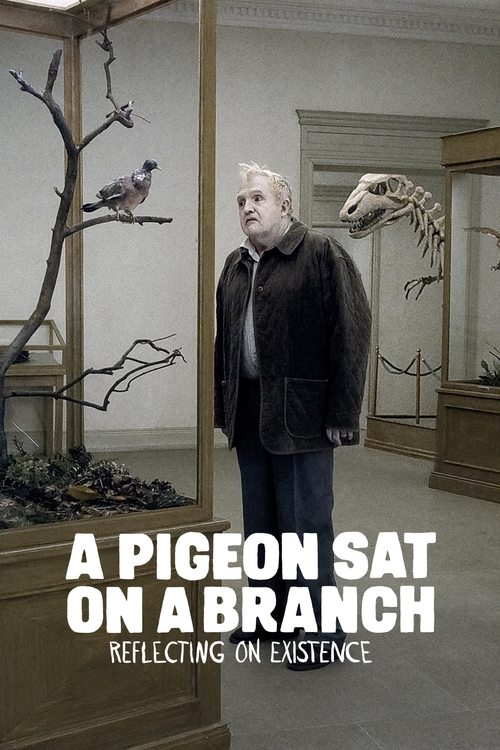
An absurdist, surrealistic and shocking pitch-black comedy, which moves freely from nightmare to fantasy to hilariously deadpan humour as it muses on man’s perpetual inhumanity to man.
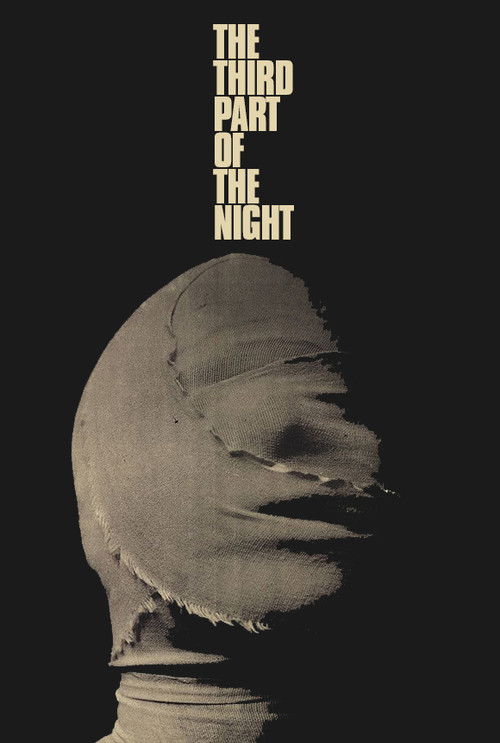
Set during the Nazi occupation of Poland, the story follows Michał, who witnesses the murder of his mother, wife and child and then is hurled into a life that literally is not his own; a surreal world littered with trapdoors, doppelgängers and wormholes.
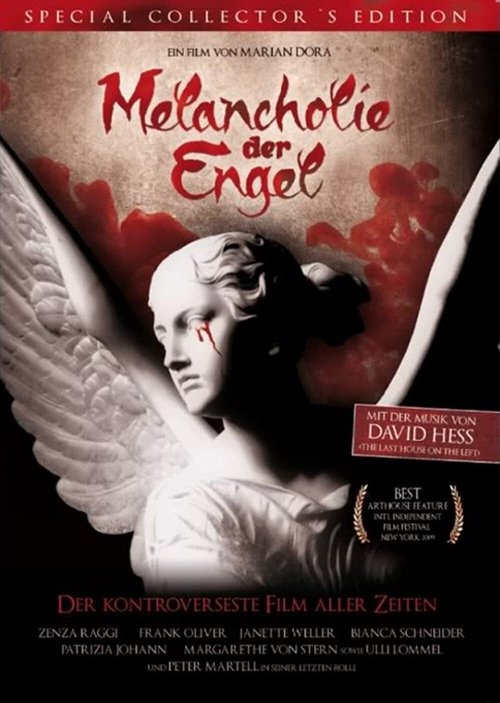
Upon learning that his days are numbered, a man and an old friend return to an old house that connects them by a dark secret. Along with three women and a mysterious old man, the group journeys into a horrifying abyss of debauchery and moral mayhem, leading to a fatal turn of events, during which the darkest human depths are revealed.

A sugar-refinery worker flees his Northern Italy town after a woman refuses his marriage proposal.
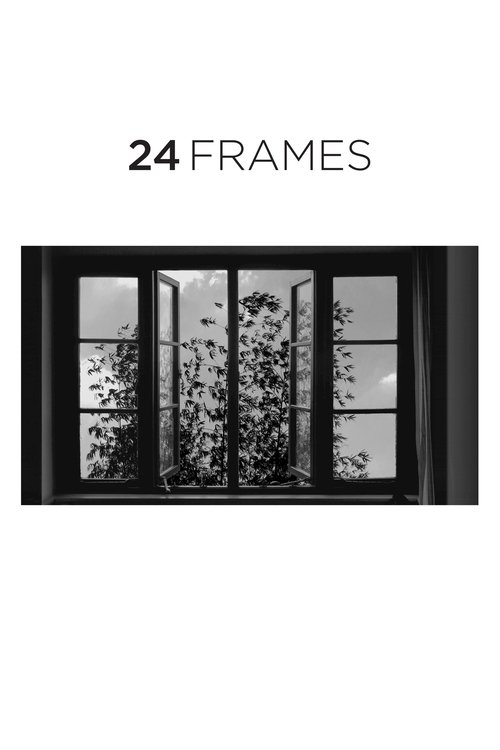
A collection of 24 short four-and-a-half minutes films inspired by still images, including paintings and photographs. An experimental project made by filmmaker Abbas Kiarostami in the last three years of his life.
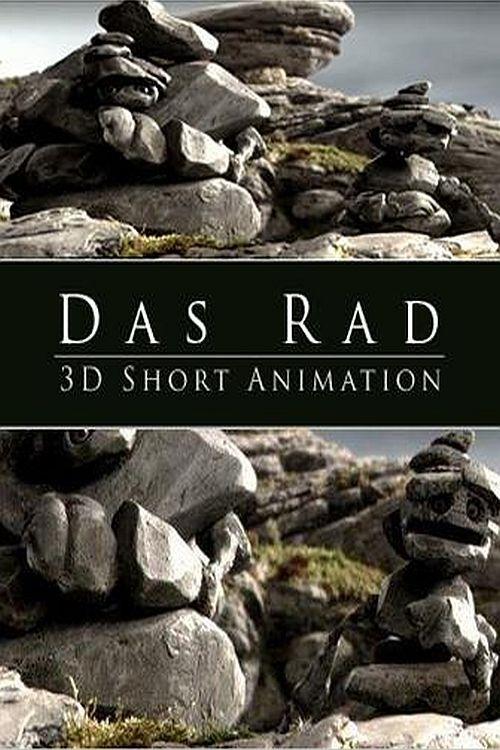
The stone-people Hew and Kew have seen a lot in their everlasting lives on top of their mountain. Therefore they're only mildly amazed by the ongoings in the valley below, they've got their own little problems to deal with - But all of a sudden, Mankind is discovering and inventing, instead of just woozeling, and this new behavior starts to threaten Hew's and Kew's stoic peacefulness...
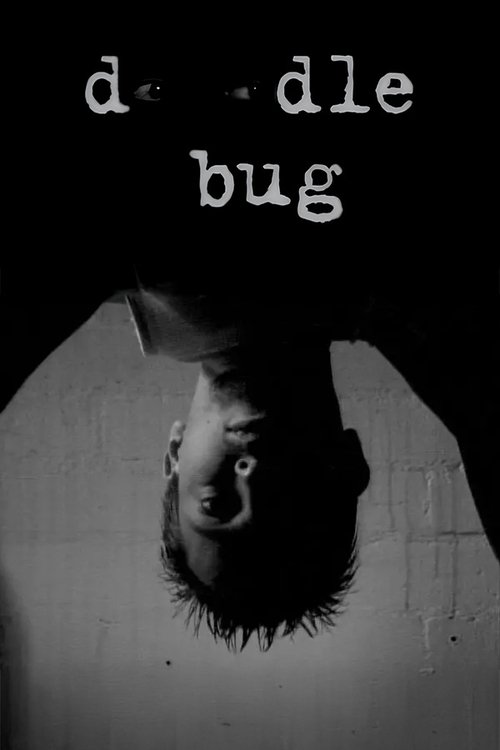
There's something in his apartment. A man looking for an insect-like thing devolves into a bout of insanity as his subconscious mind begins to strangle his waking one.
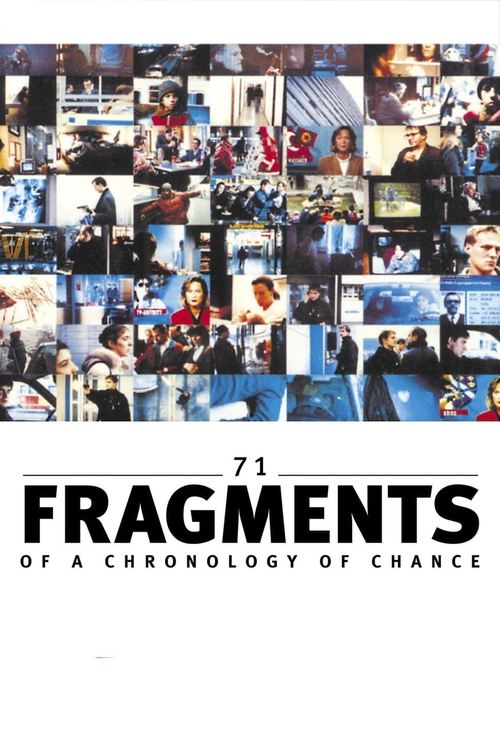
71 scenes revolving around multiple Viennese residents who are by chance involved with a senseless gun slaughter on Christmas Eve.

A trilogy of separate stories. In "Labyrinth labyrinthos", a girl and her cat enter a strange world. In "Running Man", a racer takes on the ultimate opponent. In "Construction Cancellation Order", a man must shut down worker robots.
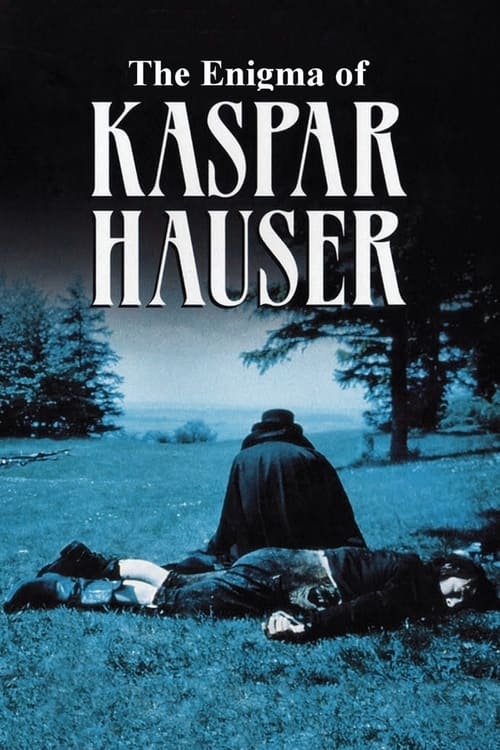
The film follows Kaspar Hauser, who lived the first seventeen years of his life chained in a tiny cellar with only a toy horse to occupy his time, devoid of all human contact except for a man who wears a black overcoat and top hat who feeds him.
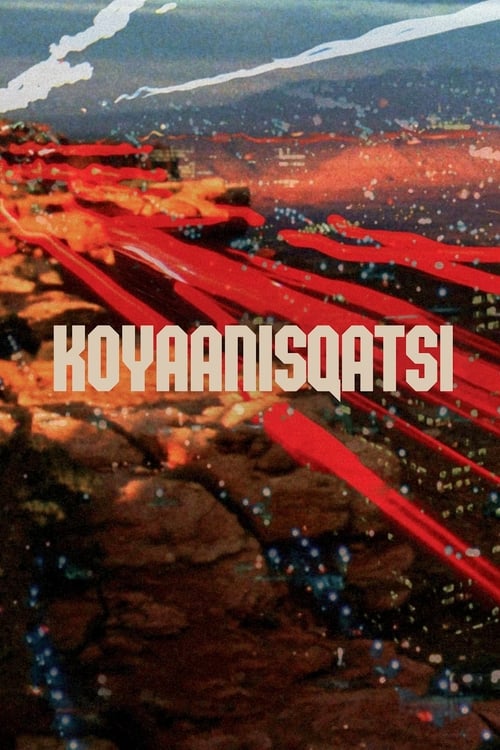
Takes us to locations all around the US and shows us the heavy toll that modern technology is having on humans and the earth. The visual tone poem contains neither dialogue nor a vocalized narration: its tone is set by the juxtaposition of images and the exceptional music by Philip Glass.
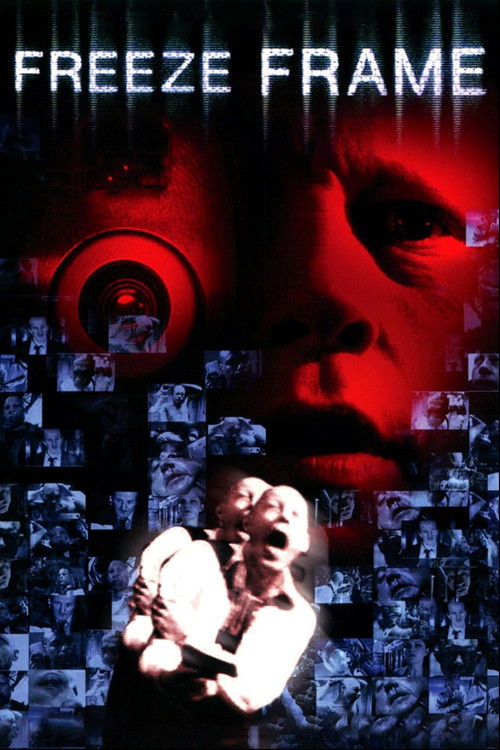
Sean Veil is an ultra paranoid murder suspect who takes to filming himself round the clock to provide an alibi, just in case he's ever accused of another crime. Problems arise however when the police do come calling and the one tape that can prove his innocence has mysteriously disappeared.
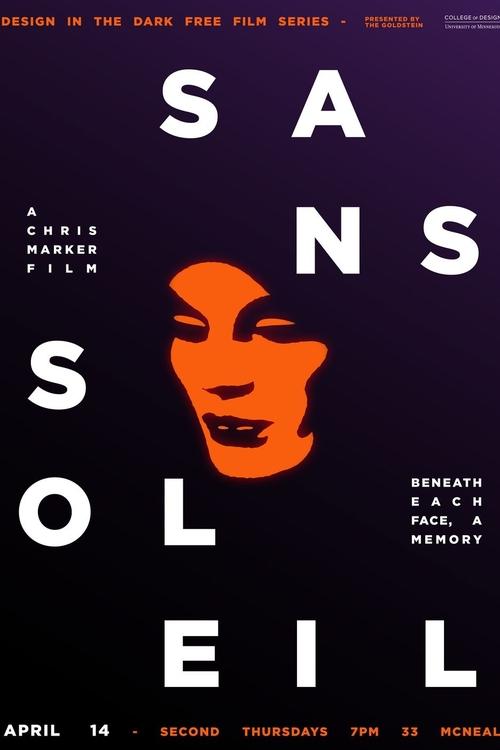
A woman narrates the thoughts of a world traveler, meditations on time and memory expressed in words and images from places as far-flung as Japan, Guinea-Bissau, Iceland, and San Francisco.
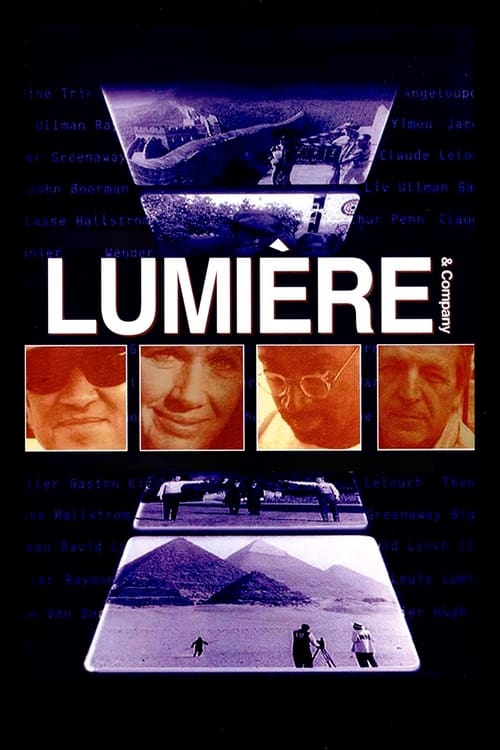
40 international directors were asked to make a short film using the original Cinematographe invented by the Lumière Brothers, working under conditions similar to those of 1895. There were three rules: (1) The film could be no longer than 52 seconds, (2) no synchronized sound was permitted, and (3) no more than three takes.
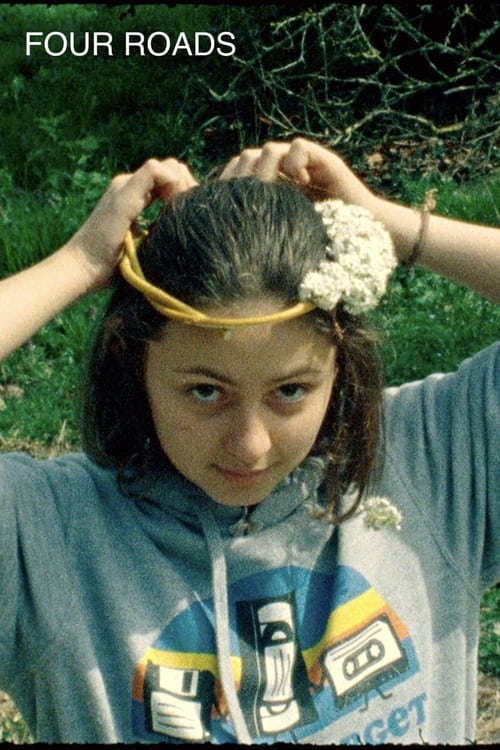
In the absence of any physical connection, this short explores alternative forms of contact among neighbors by making use of an old 16mm camera, a zoom lens, and a few meters of expired film.
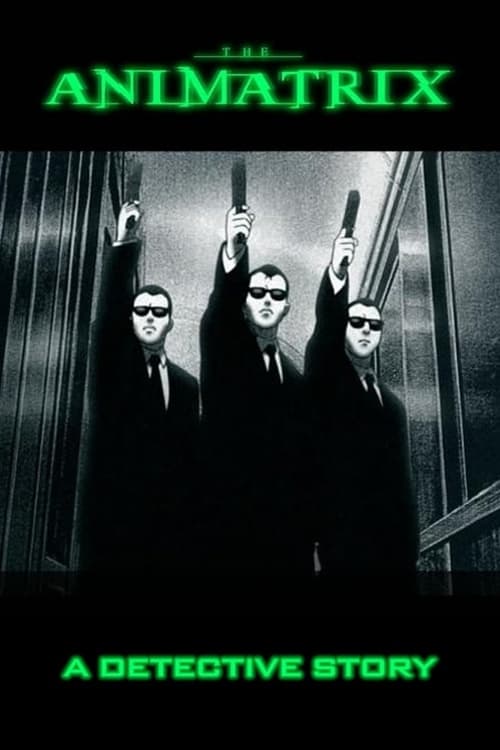
A private detective is hired to find the elusive computer hacker "Trinity." Part of the Animatrix collection of animated shorts in the Matrix universe.
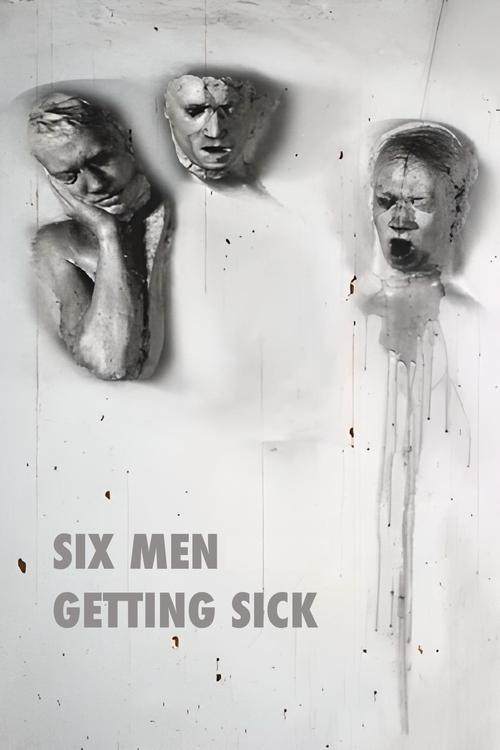
Lynch's first film project consists of a loop of six people vomiting projected on to a special sculptured screen featuring twisted three-dimensional faces.
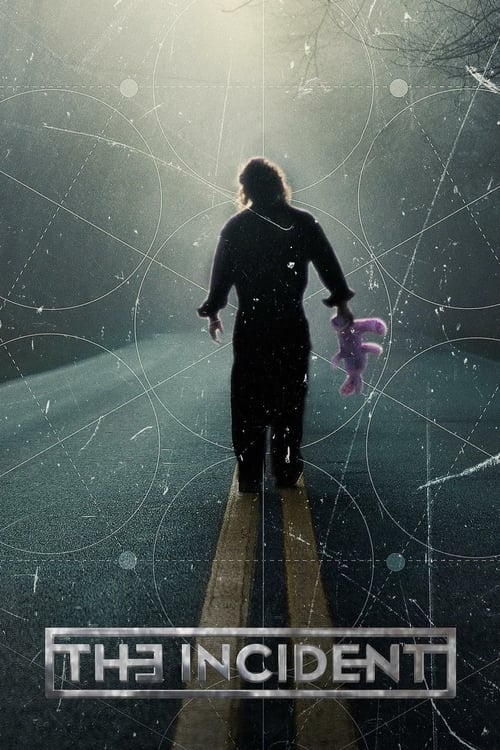
Two parallel stories about people trapped in illogical endless spaces: two brothers and a detective locked on an infinite staircase, and a family locked on an infinite road... for over 35 years.
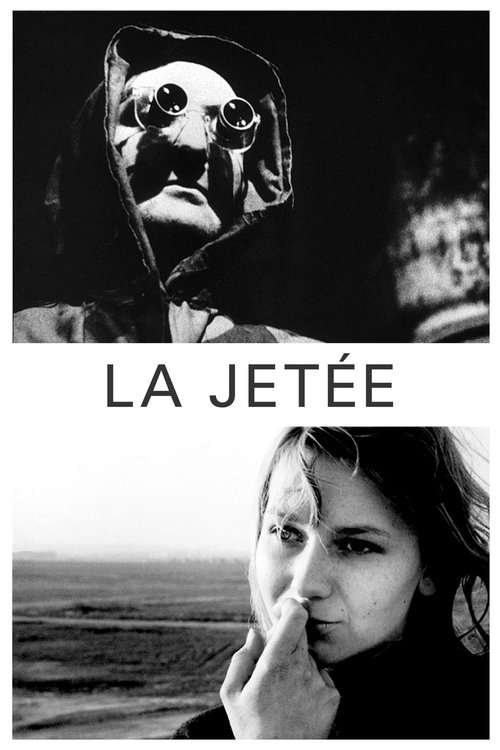
A man confronts his past during an experiment that attempts to find a solution to the problems of a post-apocalyptic world caused by a world war.
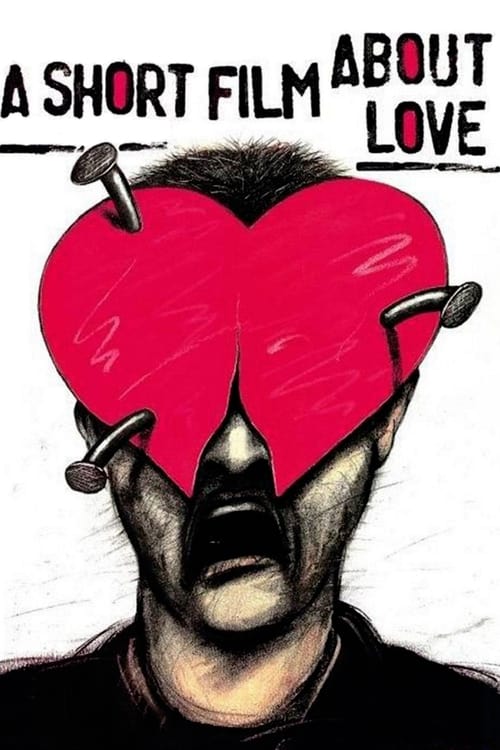
19-year-old Tomek whiles away his lonely life by spying on his opposite neighbour Magda through binoculars. She's an artist in her mid-thirties, and appears to have everything - not least a constant stream of men at her beck and call. But when the two finally meet, they discover that they have a lot more in common than appeared at first sight...

Carefully picked scenes of nature and civilization are viewed at high speed using time-lapse cinematography in an effort to demonstrate the history of various regions.
A visual representation, in four parts, of one man's internalization of "The Divine Comedy." Hell is a series of multicolored brush strokes against a white background; the speed of the changing images varies. "Hell Spit Flexion," or springing out of Hell, is on smaller film stock, taking the center of the frame. Montages of color move rapidly with a star and the edge of a lighted moon briefly visible. Purgation is back to full frame; blurs of color occasionally slow down then freeze. From time to time, an image, such as a window or a face, is distinguishable for a moment. In "existence is song," colors swirl then flash in and out of view. Behind the vivid colors are momentary glimpses of volcanic activity.
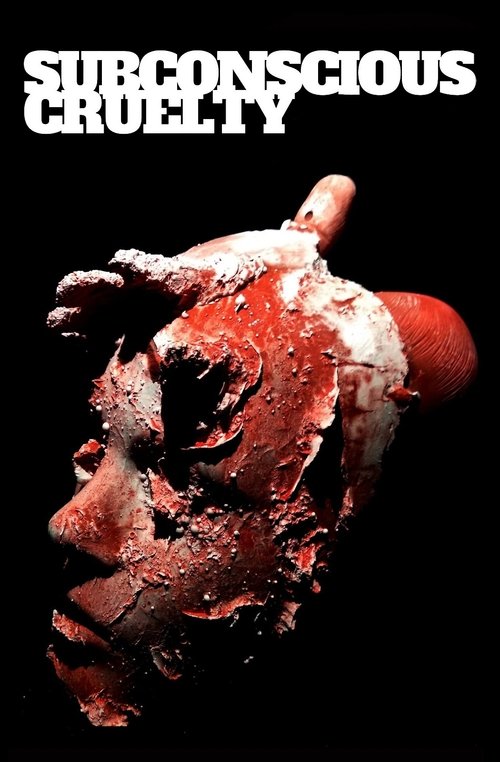
A surrealistic anthology of horror films; four segments structured as an intense fever dream...
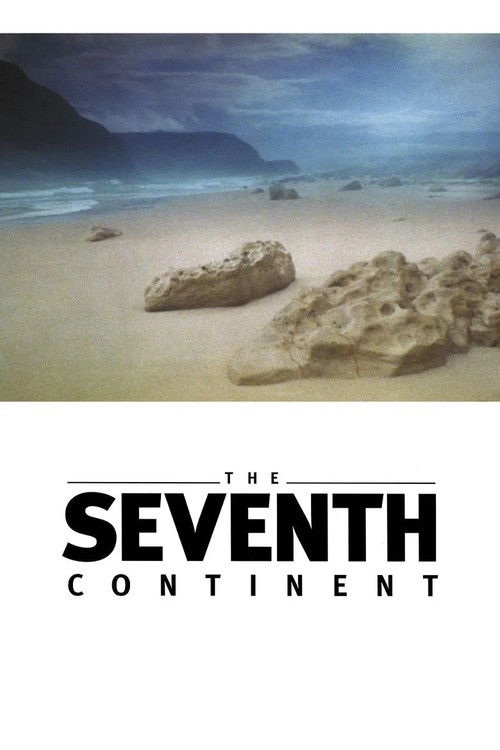
Chronicles three years of a middle-class family seemingly caught up in their daily routines, troubled only by minor incidents. Behind their apparent calm and repetitive existence, however, they're planning something much more sinister.
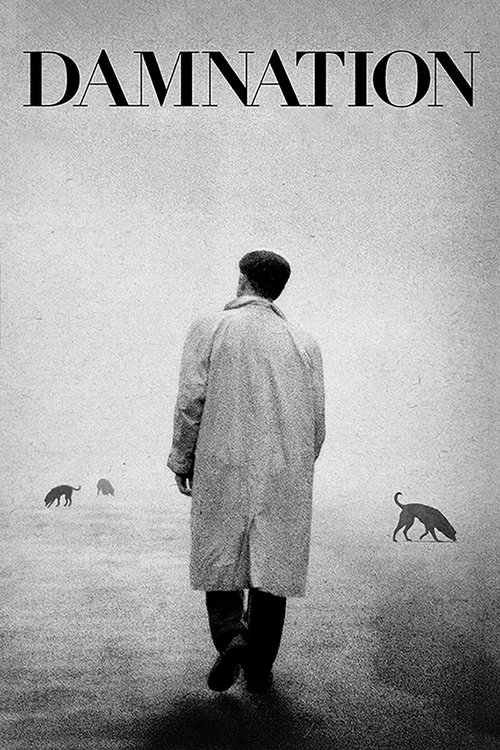
Karrer plods his way through life in quiet desperation. His environment is drab and rainy and muddy. Eaten up with solitude, his hopelessness would be incurable but for the existence of the Titanik Bar and its beautiful, haunting singer. But the lady is married and Karrer is determined to keep her husband away...
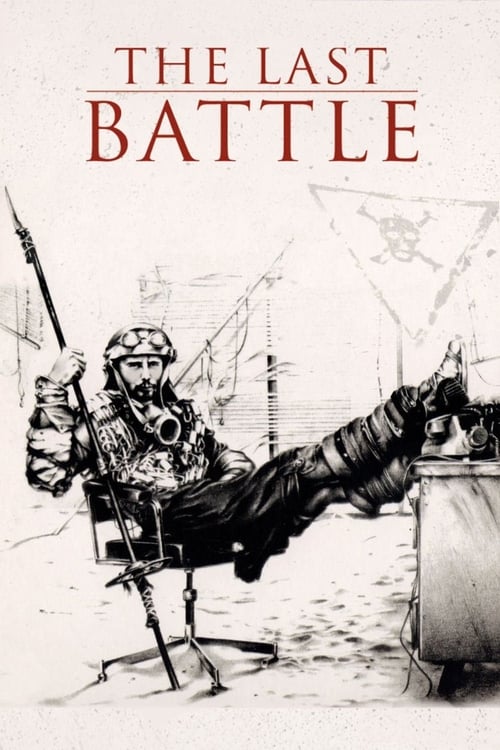
The plot explores the devastation of civilization and issues of brutality, hostility and isolation. Pierre Jolivet stars as the main character (identified only as "The Man" in the end credits) who is menaced by "The Brute" (played by Jean Reno) on his journey through a world filled by people rendered nearly mute by some unknown incident.
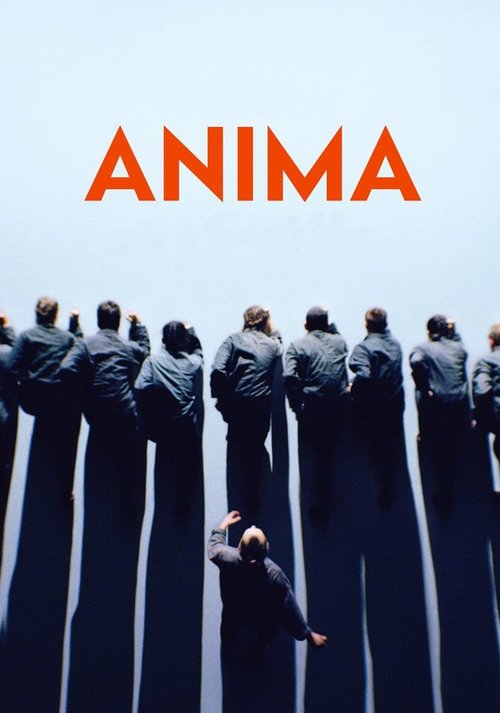
In a short musical film directed by Paul Thomas Anderson, Thom Yorke of Radiohead stars in a mind-bending visual piece. Best played loud.
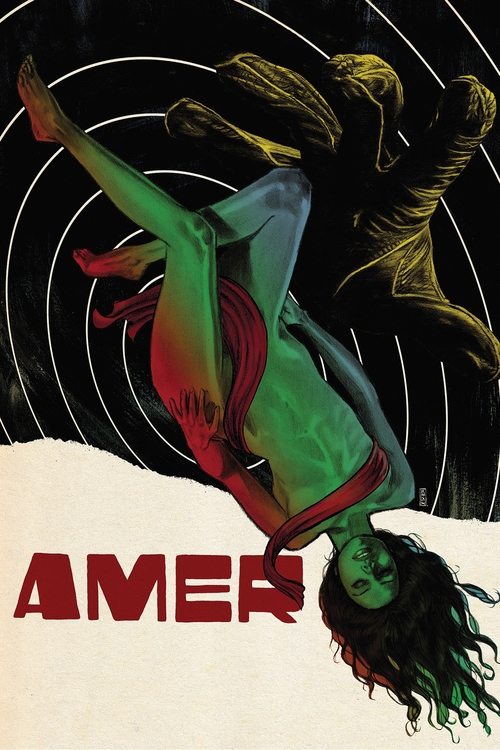
Ana is confronted with body and desire at three key moments of her life. As a young girl, she brings her dead grandpa back to life. In her puberty, she discovers the power of decay and sexuality. Finally, she wrestles with loss and loneliness when she returns to her parental home, now derelict.
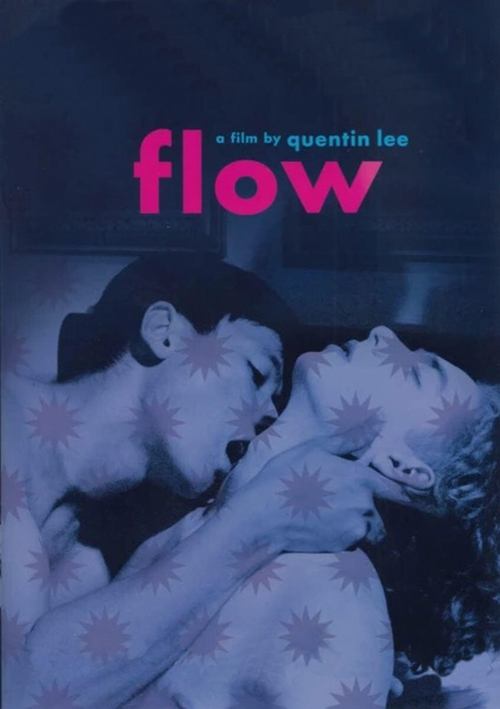
A filmmaker talks about his work and love life with an unseen friend behind the camera. We also watch four of his short films.
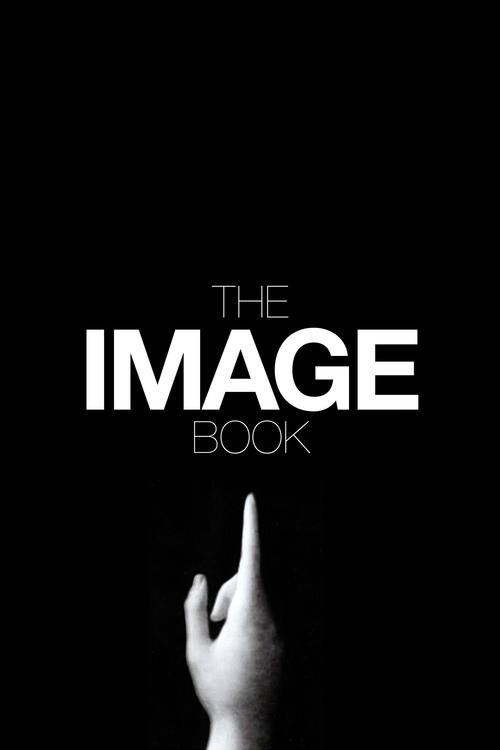
In Le Livre d’Image, Jean-Luc Godard recycles existing images (films, documentaries, paintings, television archives, etc.), quotes excerpts from books, uses fragments of music. The driving force is poetic rhyme, the association or opposition of ideas, the aesthetic spark through editing, the keystone. The author performs the work of a sculptor. The hand, for this, is essential. He praises it at the start. “There are the five fingers. The five senses. The five parts of the world (…). The true condition of man is to think with his hands. Jean-Luc Godard composes a dazzling syncopation of sequences, the surge of which evokes the violence of the flows of our contemporary screens, taken to a level of incandescence rarely achieved. Crowned at Cannes, the last Godard is a shock film, with twilight beauty.
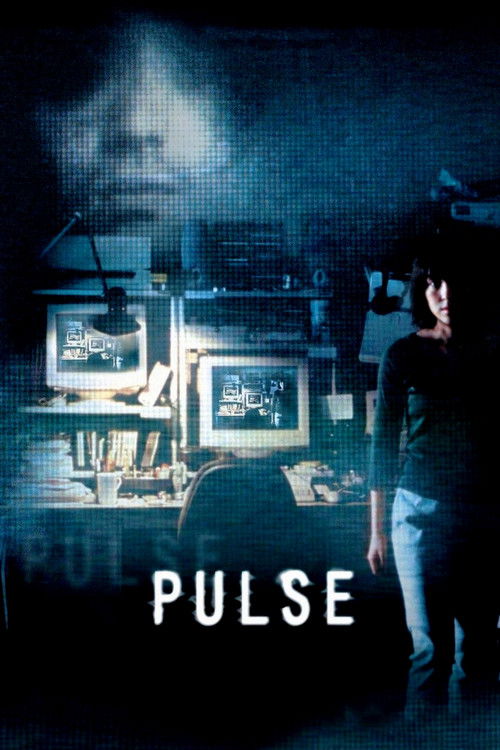
In the immense city of Tokyo, the darkness of the afterlife lures some of its inhabitants who are desperately trying to escape the sadness and isolation of the modern world.

After being abandoned by their Nazi parents at the end of World War II, five German siblings embark on a harrowing journey across their war-torn country. Led by the eldest, 14 year-old Lore, the children are forced to confront their parents’ actions and the reality of a new world.
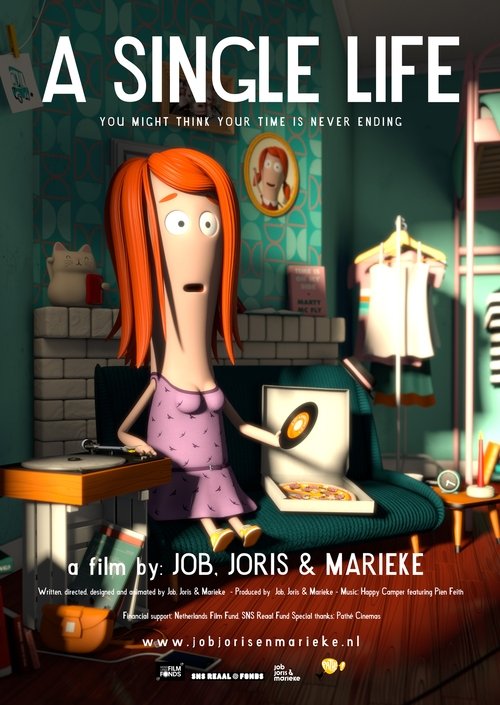
When Pia plays a mysterious vinyl record single, she suddenly knows how to travel through her own life.

One day, hospital orderlies, watching corpse in the morgue, recognize film director. Man, even though he died, he begins to remember his life. He made a career making movies, had numerous mistresses, but never realized their dreams. His life was interspersed with many setbacks that enfeebled him from the inside. Although he made a career in film, he was not happy with his life.
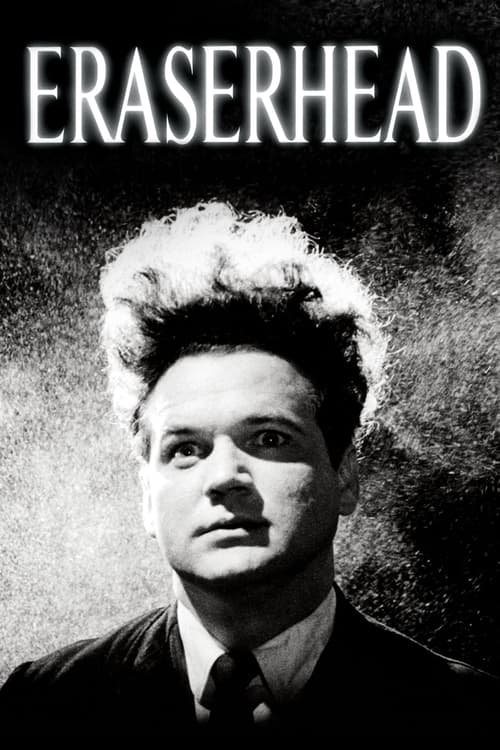
First-time father Henry Spencer tries to survive his industrial environment, his angry girlfriend, and the unbearable screams of his newly born mutant child.
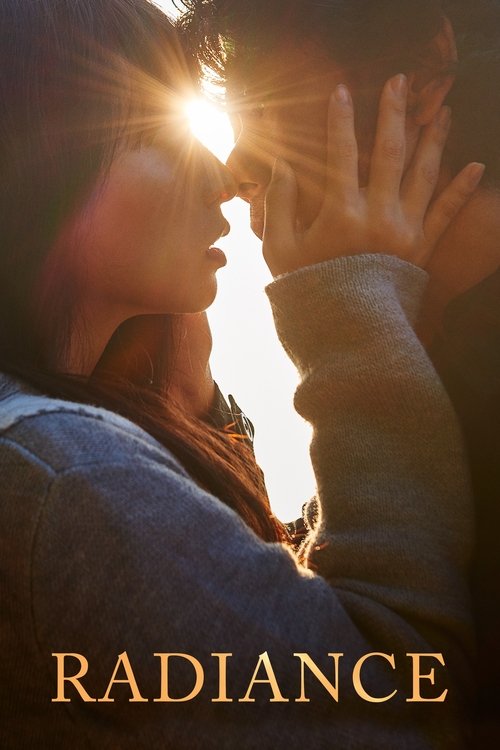
The story follows the social intercourse between a cameraman, Masaya, with a visual impairment, and Misako who disconnects from the world.
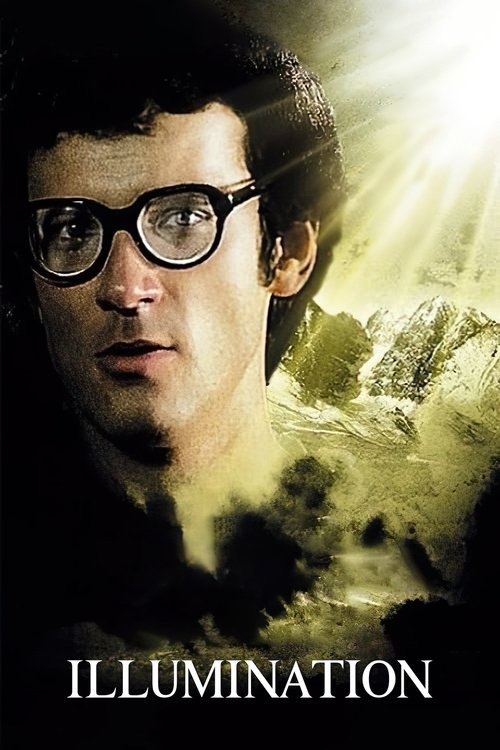
Film chronicles a decade in the life of a young physics student whose absolute faith in the primacy of rationality and science is shaken by tragedy and affairs of the heart.
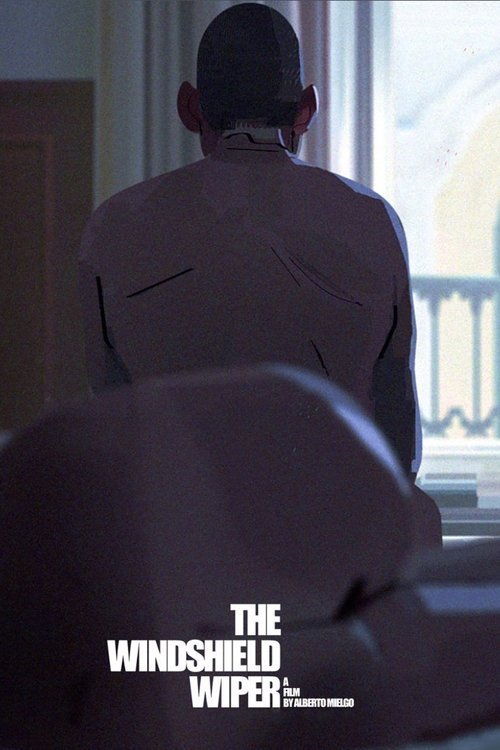
Inside a cafe while smoking a whole pack of cigarettes, a man poses an ambitious question: "What is Love?". A collection of vignettes and situations will lead the man to the desired conclusion.
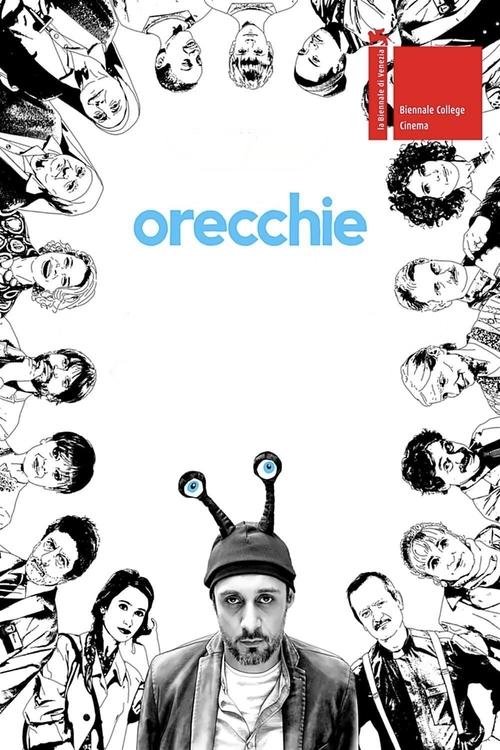
A man wakes up one morning with an annoying ringing sound in his ears. A note on the fridge says: "Your friend Luigi has died. P.S. I took the car". The problem is that he does not even remember who this guy Luigi is. This is just the beginning of a tragicomic day during which he will be plunged into the folly of the world. One of those days that changes your life forever.

A disillusioned filmmaker has an encounter with a young woman who has a ritual of repeating "Tomorrow is my birthday" everyday. He tries to communicate with her through his video camera.
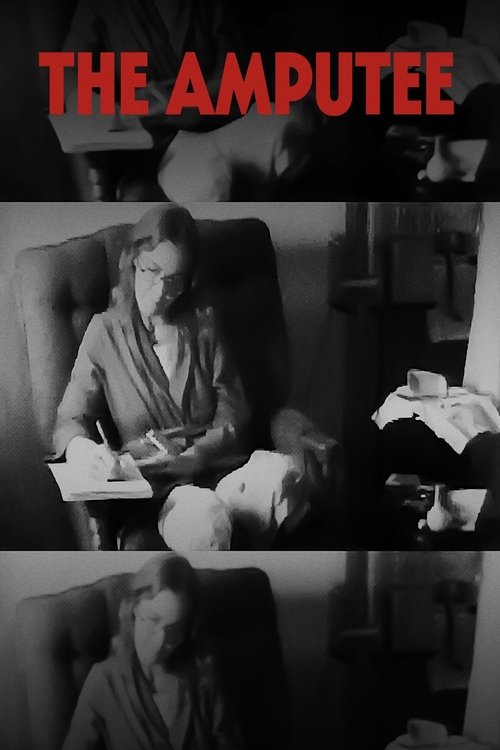
A double amputee attempts to write a letter while her nurse gets in the way. (Note: The Amputee was produced in order to test two different black and white video stocks for the American Film Institute. There are therefore two different versions of the film, each using the same script but shot on different stocks and differing in other incidental ways in terms of performance, sound design and duration. This is Version 1.)
An embittered law student commits a brutal double murder; a family man takes the fall and is forced into a harsh prison sentence; a mother and her two children wander the countryside looking for some kind of redemption.
San Francisco filmmaker Konrad Steiner took 12 years to complete a montage cycle set to the late Leslie Scalapino’s most celebrated poem, way—a sprawling book-length odyssey of shardlike urban impressions, fraught with obliquely felt social and sexual tensions. Six stylistically distinctive films for each section of way, using sources ranging from Kodachrome footage of sun-kissed S.F. street scenes to internet clips of the Iraq war to a fragmented Fred Astaire dance number.
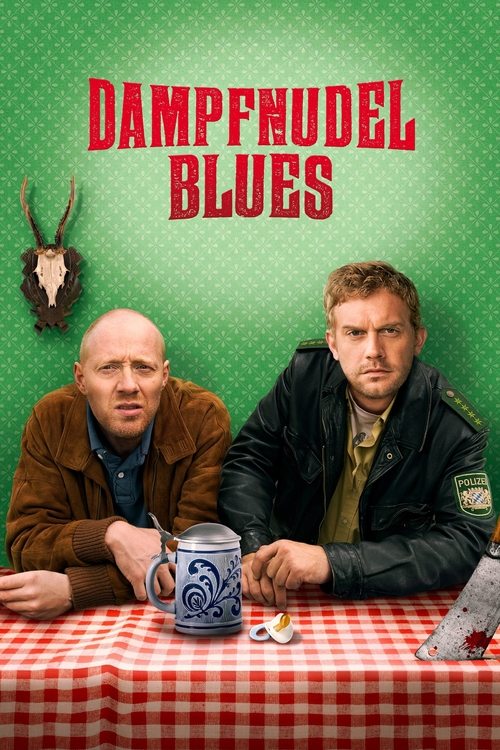
After the forcible transfer to his Bavarian home village, an ex-criminal cop investigates the death of a school principal who he thinks had lots to hide.
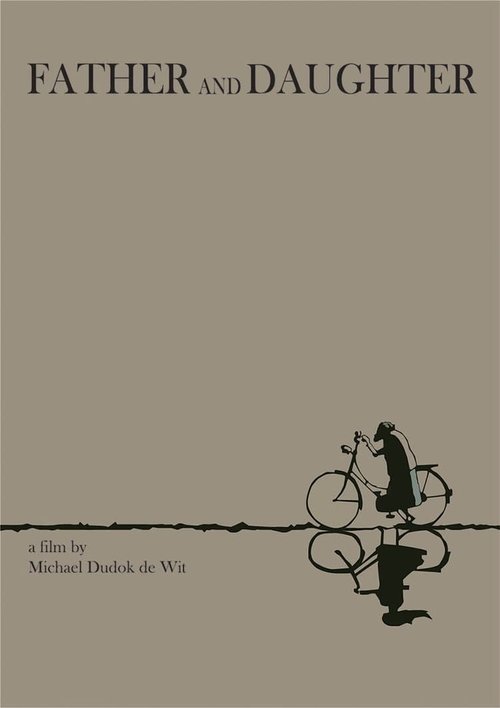
A father says goodbye to his young daughter. In time the daughter grows old, but within her there is always a deep longing for her father.
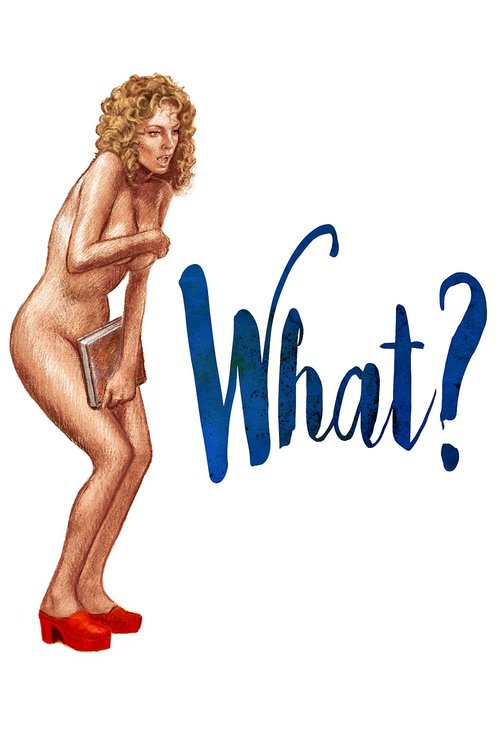
A young American woman traveling through Italy finds herself in a strange Mediterranean villa where nothing seems quite right.

Using almost no dialogue, the film follows a number of residents (both human and animal) of a small rural community in Hungary – an old man with hiccups, a shepherdess and her sheep, an old woman who may or may not be up to no good, some folk-singers at a wedding, etc. While most of the film is a series of vignettes, there is a sinister and often barely perceptible subplot involving murder.
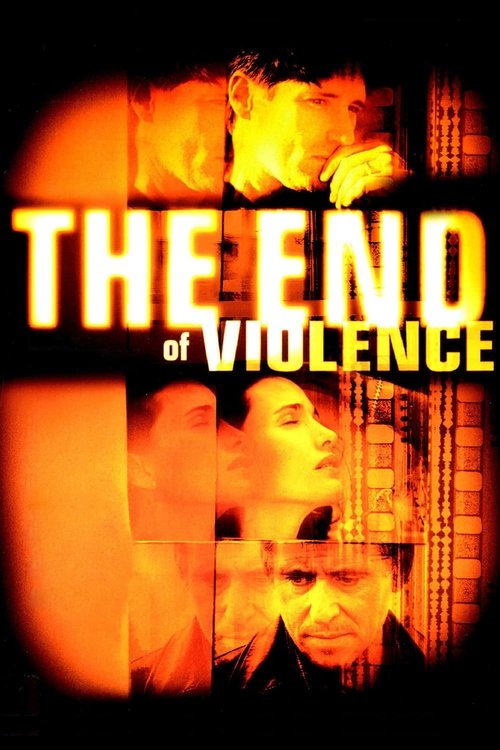
In Hollywood, the lives of a successful film producer, his wife, a police detective and a surveillance agent intersect after a botched abduction.
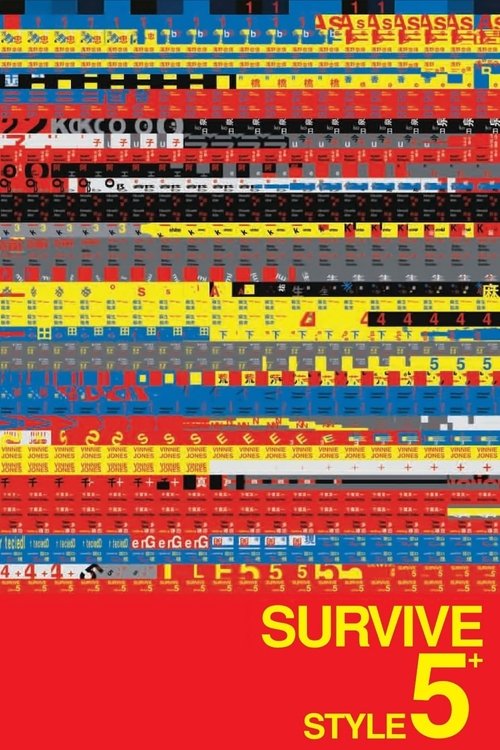
Five bizarre stories with no apparent connection to one another eventually become intertwined, resulting in surreal circumstances.

Filip buys an 8mm movie camera when his first child is born. Because it's the first camera in town, he's named official photographer by the local Party boss. His horizons widen when he is sent to regional film festivals with his first works but his focus on movie making also leads to domestic strife and philosophical dilemmas.
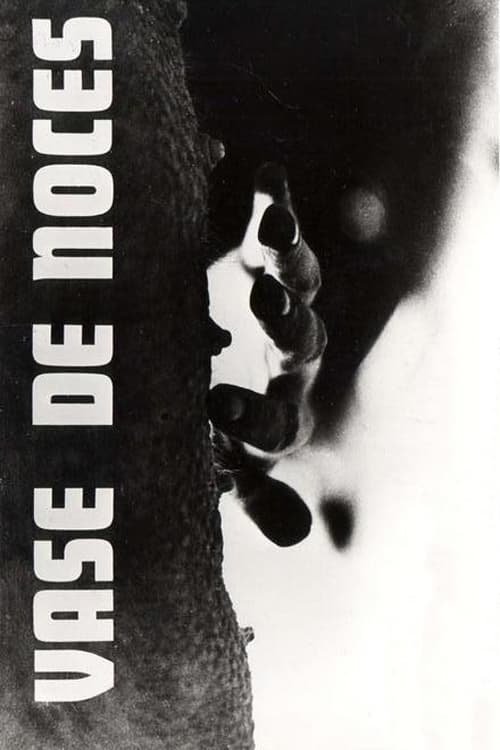
Alone on a farm, a man spends his days tending to his animals, with a particular love for his sow. After an illicit encounter between the two creatures, the pig gives birth. However, tragedy strikes when the man tries to force the newborn piglets to love him as he loves them.
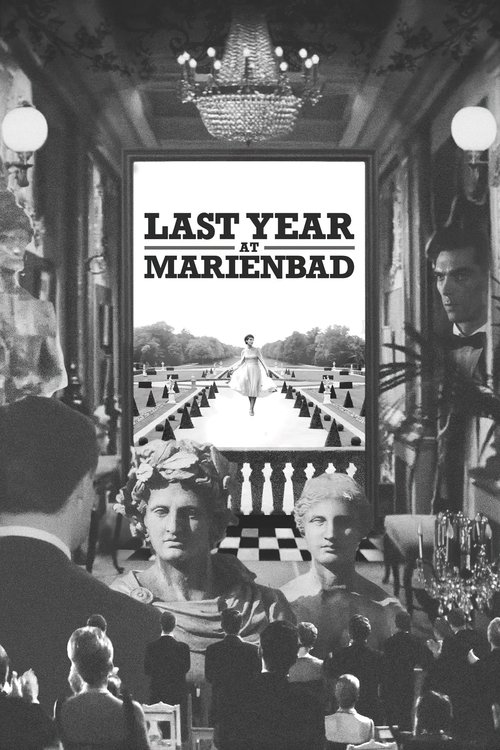
In a strange and isolated chateau, a man becomes acquainted with a woman and insists that they have met before.
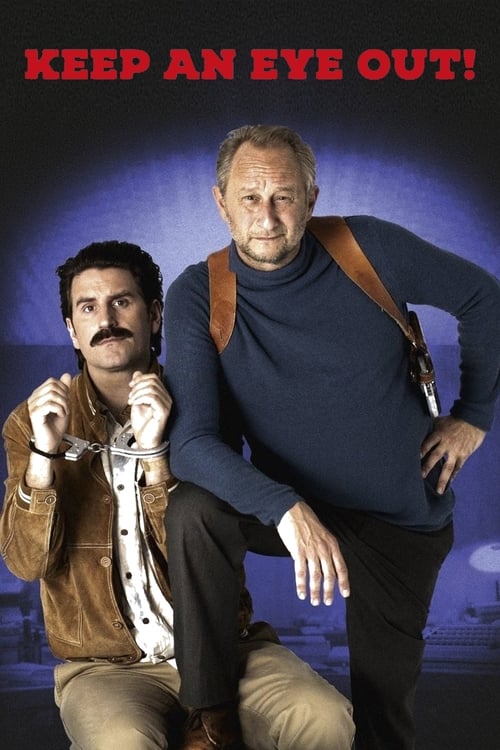
Louis just found the corpse of a man in front of his apartment building. Taken in for custody by Captain Buron, he finds himself on the wrong end of a surreal interrogation. But how can you prove you are innocent when the cops are crazy?
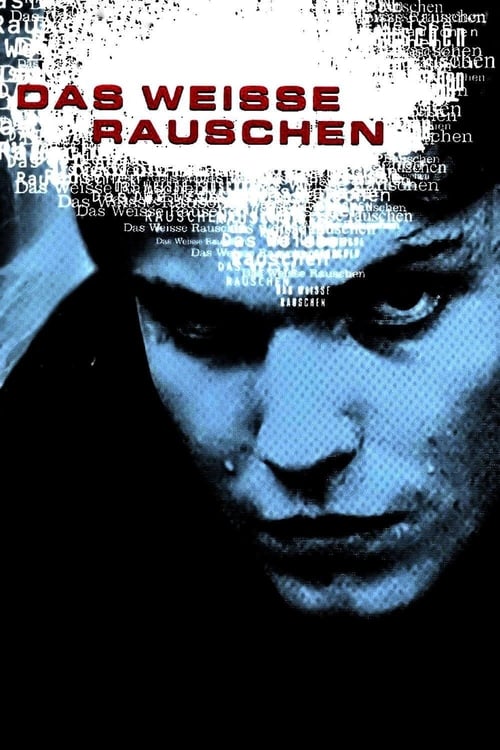
Lukas, a young schizophrenic man, has to deal with a new town, a new relationship, and the paranoia in his head.
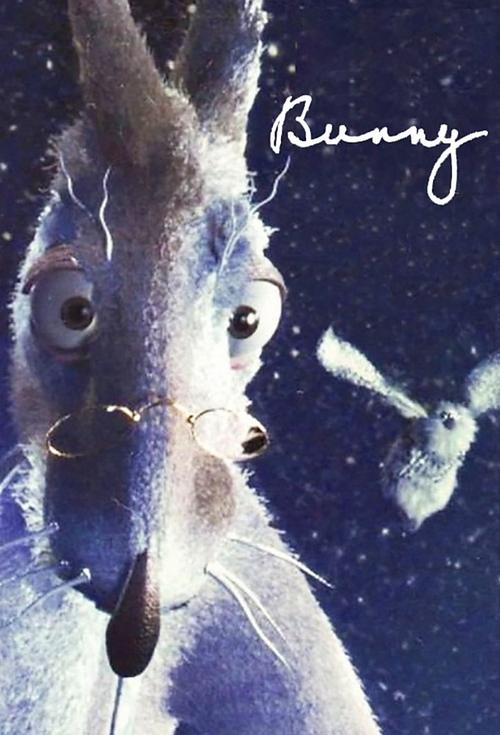
Bunny, an elderly rabbit who uses a walker, is in her kitchen one night baking a cake. A photograph from her wedding day is on her wall. A pesky and persistent moth bangs about the kitchen. She shoos it outside, turns off the porch light, and returns to her baking. The moth finds its way back into the kitchen, she bats it with a wooden spoon, and it falls into the mix. She stirs it up, pours the batter into a pan, and pops it into the oven. But the moth isn't done: it has a different mission, turning the oven into a portal, and inviting Bunny on a voyage of reunion.

Dominique Pinon takes the viewer through various examples of what he "likes and dislikes."

Short film to a song of love lost and rediscovered, a woman sees and undergoes surreal transformations. Her lover's face melts off, she dons a dress from the shadow of a bell and becomes a dandelion, ants crawl out of a hand and become Frenchmen riding bicycles. Not to mention the turtles with faces on their backs that collide to form a ballerina, or the bizarre baseball game.

A Japanese man in polka-dot pajamas wakes up in a room with no doors. Meanwhile, a middle-aged Mexican wrestler prepares for his most challenging match ever.
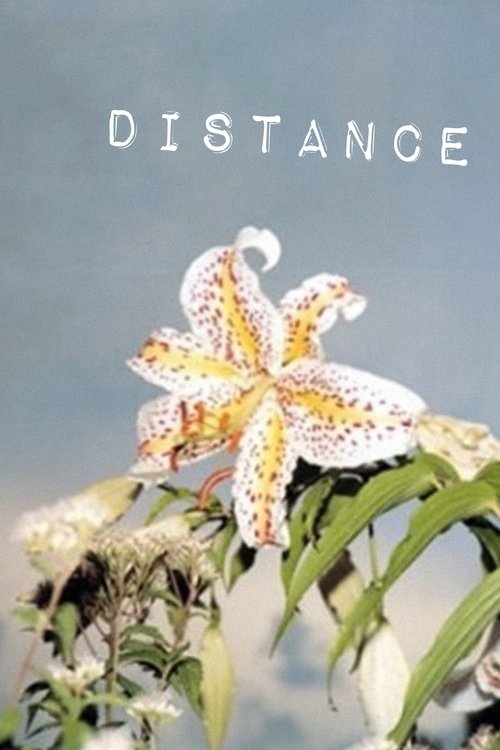
On the third anniversary of a cult's failed chemical attack on Tokyo and their subsequent mass suicide, family members of those affected gather at the cult's former base on the shores of a lake to observe the anniversary of their loved ones' deaths.
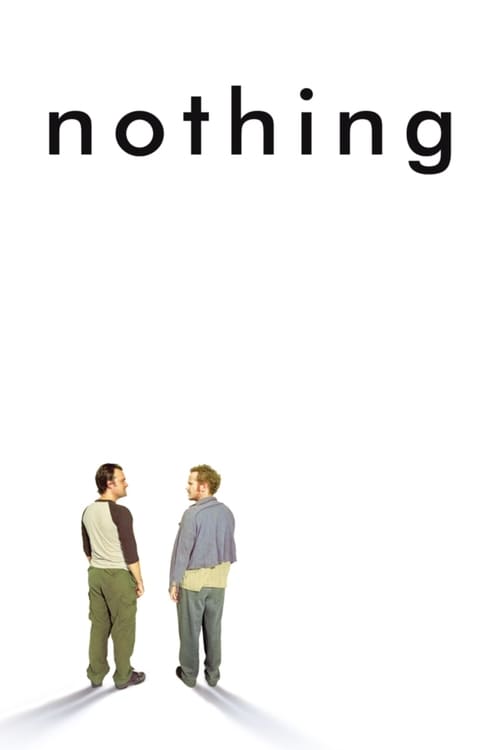
The film tells the story of two good friends who live together, Andrew, an agoraphobic travel agent who works from his home, and Dave, a loser who works in an office where he is treated with contempt. Just when it seems things can't get any worse for the two, the entire world outside of their house disappears and is replaced with an endless white void.
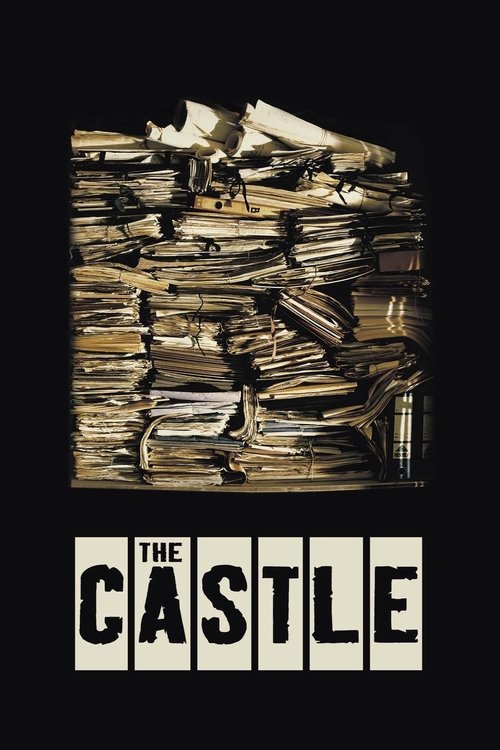
When land surveyor K arrives at a small village that houses a castle, local authorities refuse to allow him to enter. As he tries to convince the officials that they sent for him, they clamp down with increasingly complicated bureaucratic obstacles.
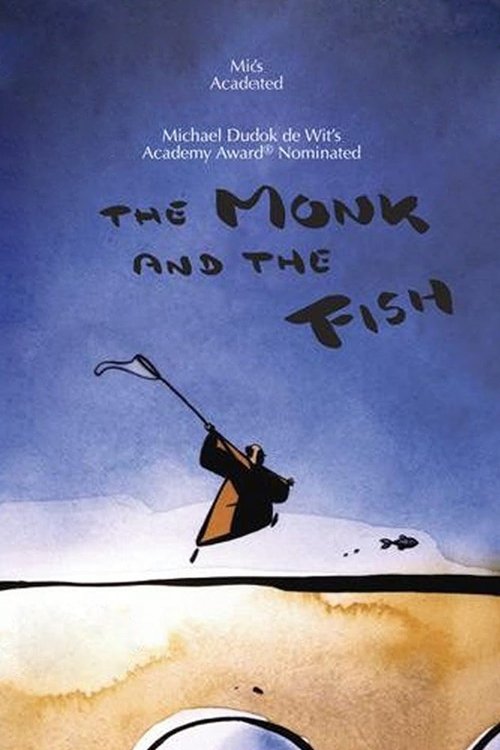
A plump and exuberant monk goes fishing, and a playful fish eludes him. First the monk uses a rod and reel, then a net; over and over, he ends up fish-less and wet. Sleepless, he tries luring the fish at night with a bank of candles. He tries a bow and arrow. The tireless and insouciant fish leads the monk through a viaduct, over irrigated steppes, across cisterns, down canals.
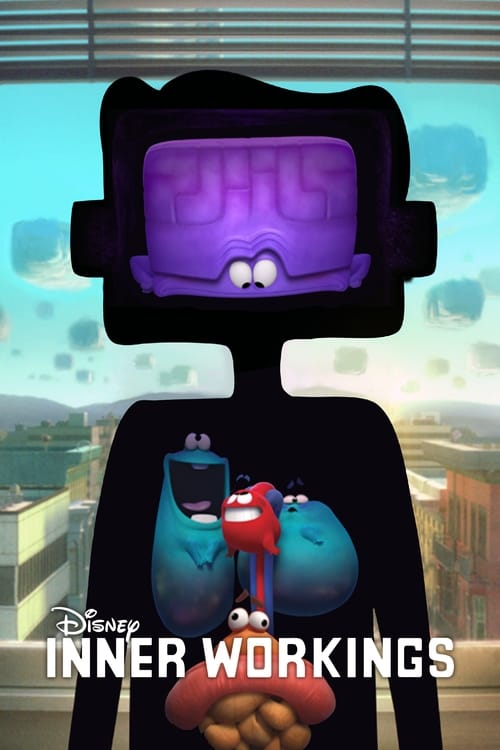
This is the story of the internal struggle between a man's Brain—a pragmatic protector who calculates his every move, and his Heart—a free-spirited adventurer who wants to let loose.

A symphony in three movements. Things such as a Mediterranean cruise, numerous conversations, in numerous languages, between the passengers, almost all of whom are on holiday... Our Europe. At night, a sister and her younger brother have summoned their parents to appear before the court of their childhood. The children demand serious explanations of the themes of Liberty, Equality and Fraternity. Our humanities. Visits to six sites of true or false myths: Egypt, Palestine, Odessa, Hellas, Naples and Barcelona.
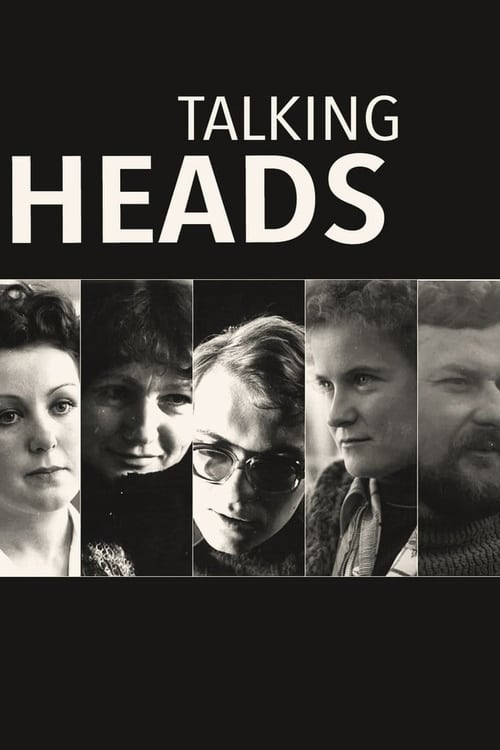
People of different age, profession and social status answer two simple questions: who they are and what they want from life.
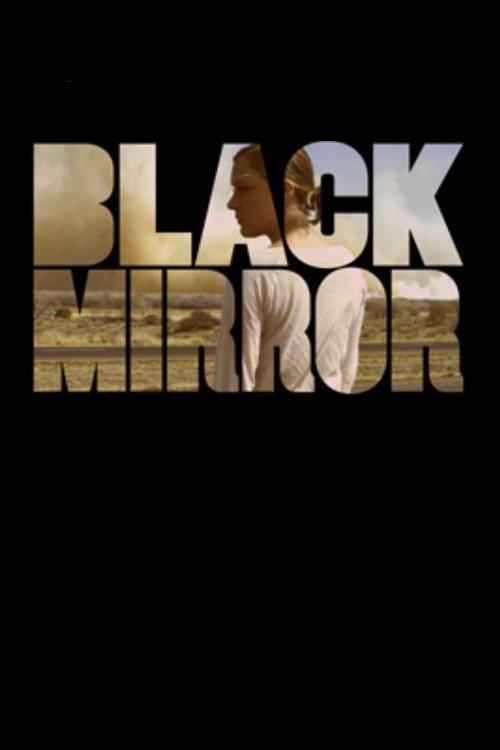
A nameless drifter navigates a barren landscape punctuated by satellite dishes, radio towers and droning airplanes. Stopping periodically in anonymous hotel rooms, she makes attempts to connect to an unidentified second party.