 Rosa Luxemburg
Select exactly what you are looking for

Polish socialist and Marxist Rosa Luxemburg works tirelessly in the service of revolution in early 20th century Poland and Germany. While Luxemburg campaigns for her beliefs, she is repeatedly imprisoned as she forms the Spartacist League offering a new vision for Germany.
Rosa Luxemburg
How was it possible that a single man influenced contemporary world so significantly? This film is an attempt to capture the phenomenon of a common man’s metamorphosis into a charismatic leader — an attempt to see how a Gdansk shipyard electrician fighting for workers’ rights awakened a hidden desire for freedom in millions of people.

An equal rights crusader, journalist and activist: Gloria Steinem embodies these and more. From her role in the revolutionary women's rights movement to her travels throughout the U.S. and around the world, Steinem has made an everlasting mark on modern history. A nontraditional chronicle of a trailblazing life.
26 year-old Karl Marx embarks with his wife, Jenny, on the road to exile. In 1844 in Paris, he meets Friedrich Engels, an industrialist’s son, who has been investigating the sordid birth of the British working class. Engels, the dandy, provides the last piece of the puzzle to the young Karl Marx’s new vision of the world. Together, between censorship and the police’s repression, riots and political upheavals, they will lead the labor movement during its development into a modern era.
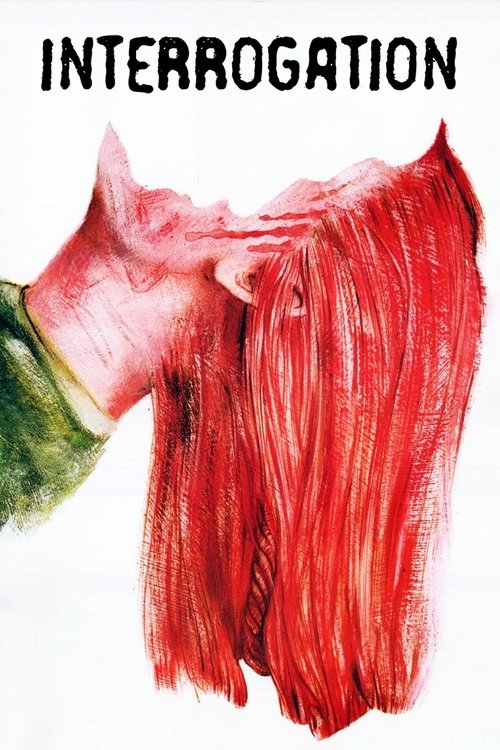
In Stalinist Poland, cabaret singer Tonia decides to spend the evening drinking with a group of friends. The next morning, she awakes to find that, for reasons unknown to her, she has been jailed as a political prisoner. As prison officials interrogate, torture and humiliate her, she fights for survival and to maintain her innocence by refusing to sign a false confession. As her years of imprisonment pass, her relationship with her captors grows more complicated.
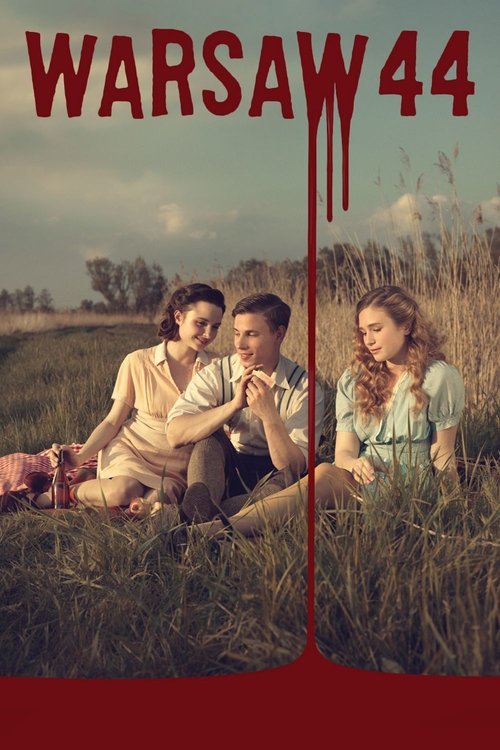
City of Warsaw, Poland, August 1st, 1944. Citizens have experienced inhuman acts of terror and violence during five long years of Nazi occupation. As the Soviet Army relentlessly approaches, the youngest and bravest among them rise up as one and face tyranny fighting street by street, but the price to pay will be high and hard the way to freedom…
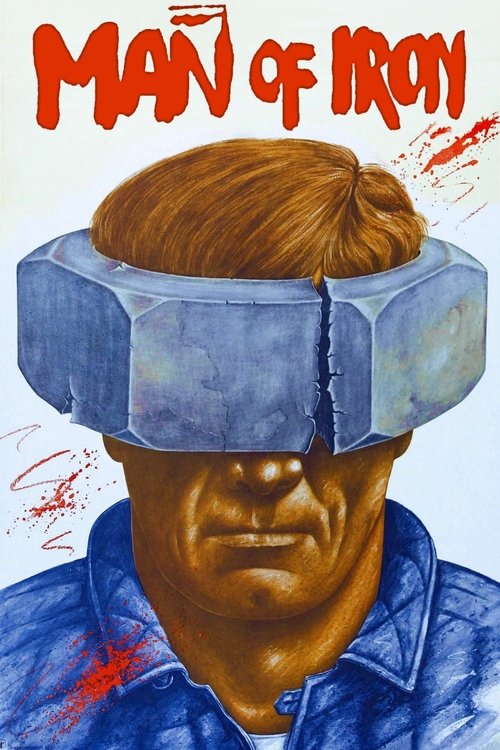
In Warsaw in 1980, the Communist Party sends disgruntled radio reporter Winkel to Gdańsk to dig up dirt on the shipyard strikers - particularly on Maciek Tomczyk, an independent labour union leader whose father was killed in the December 1970 protests. Posing as sympathetic, Winkel interviews the people surrounding Tomczyk, including his detained wife, Agnieszka.
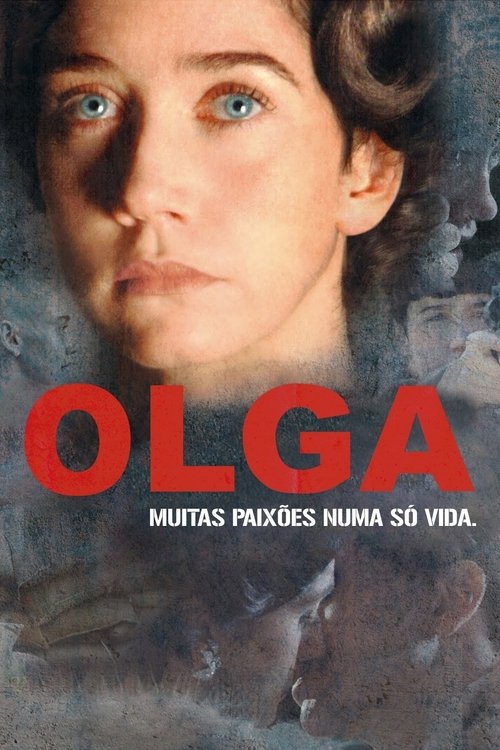
Based upon the true story of Olga Benário, the German-born wife of Brazilian communist leader Luís Carlos Prestes. During the dictatorship of Getúlio Vargas (1930-1945) she was arrested and sent to Nazi Germany, where she was put to death in a concentration camp. After World War II began, Vargas decided to uphold the Allies.

In 1945, as Stalin sets his hands over Poland, famous painter Wladislaw Strzeminski refuses to compromise on his art with the doctrines of social realism. Persecuted, expelled from his chair at the University, he's eventually erased from the museums' walls. With the help of some of his students, he starts fighting against the Party and becomes the symbol of an artistic resistance against intellectual tyranny.
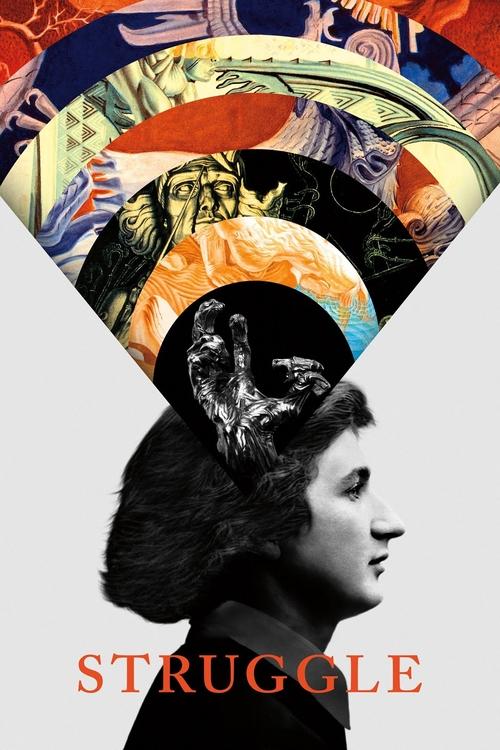
Artists in LA discover the work of forgotten Polish sculptor Stanislav Szukalski, a mad genius whose true story unfolds chapter by astounding chapter.
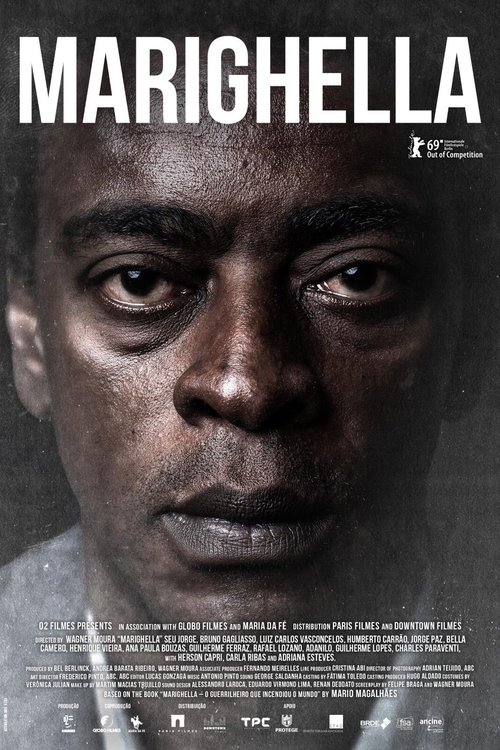
Afro-Brazilian poet and politician, the legendary Carlos Marighella. Driven to fight against the erosion of civil and human rights following the CIA-backed military coup of 1964 and the brutal, racist right-wing dictatorship that followed, the revolutionary leaves behind his wife and son to take up arms, becoming a notorious enemy to the power structure.
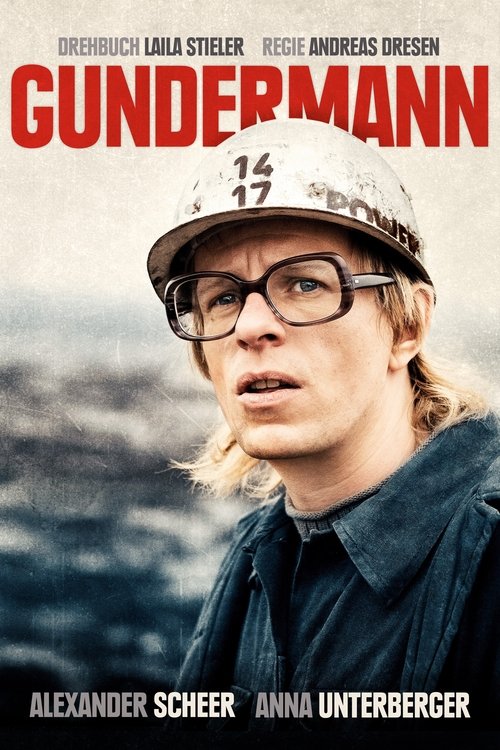
The real life story of East German singer and writer Gerhard Gundermann and his struggles with music, life as a coal miner and his dealings with the secret police (STASI) of the GDR.
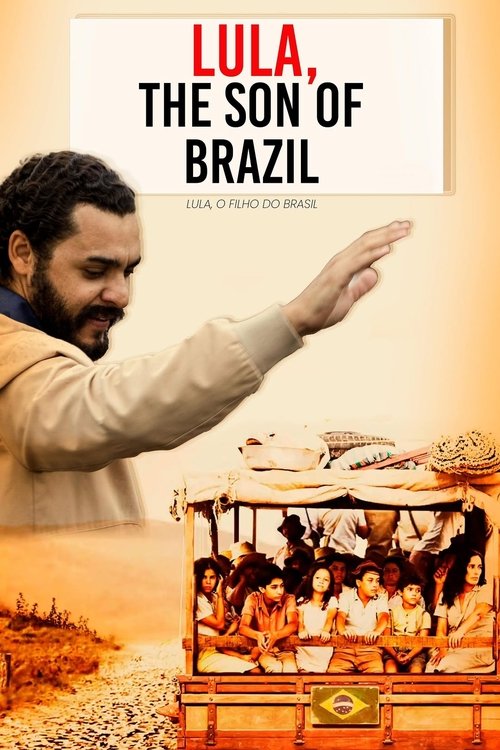
The true story of a working class boy who moves to the nation's financial capital at a young age and becomes one the most influential politicians in Brazilian history.

Pre-WWII Czech democratic politician Milada Horáková was one of the first victims of the communist regime in Czechoslovakia. Opposing the 1948 coup but not leaving the country, she was arrested and tried for treason on fabricated charges in a show trial broadcast on the radio.
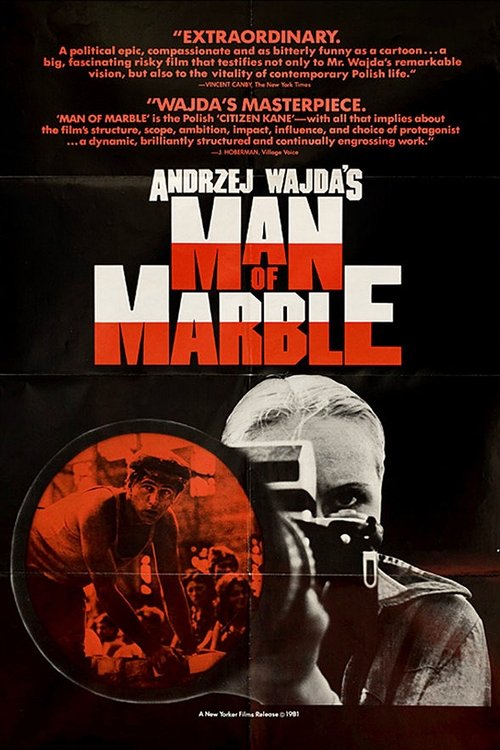
A young Polish filmmaker sets out to find out what happened to Mateusz Birkut, a bricklayer who became a propaganda hero in the 1950s but later fell out of favor and disappeared.

This harrowing tale of survival centers on Rose, a Masurian woman, whose German soldier husband was killed in the war, leaving her alone on their farm. A single woman had no defense against Russian soldiers who raped as a form of revenge, nor against plundering Poles who found themselves in desperate straits. Help arrives for Rose in the form of Tadeusz, a former officer in the Polish Home Army who deserted after he saw his wife raped and murdered by Russian troops and is attempting to hide his identity.
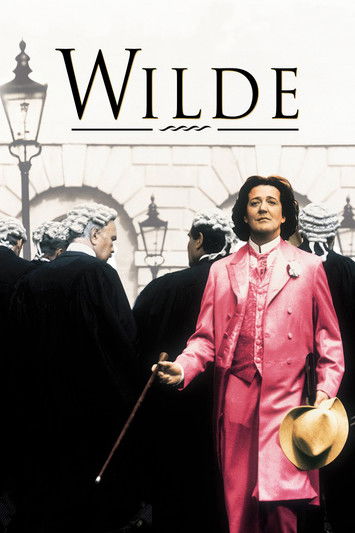
Oscar Wilde is a married playwright who has occasionally indulged his weakness for male suitors. After much toil, Wilde debuts 'The Importance of Being Earnest' in London, and a chat at the theatre with Lord Alfred 'Bosie' Douglas leads to a full-fledged romance. However, this affair leads to a legal dispute with Lord Alfred's oppressive father, the Marquess of Queensberry, and, given the local anti-gay laws, Wilde is jailed. Wilde's vast intellect helps him survive until he regains his freedom.

Michalina Wislocka, the most famous and recognized sexologist of communist Poland, fights for the right to publish her book, which will change the sex life of Polish people forever.
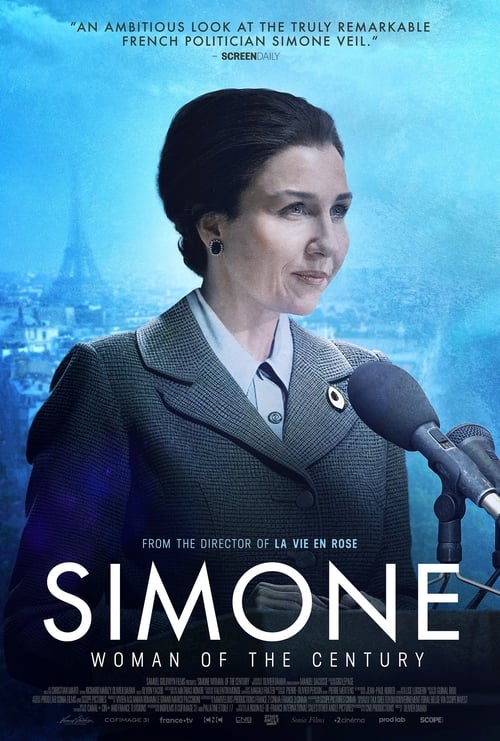
Simone Veil's life story through the pivotal events of Twentieth Century. Her childhood, her political battles, her tragedies. An intimate and epic portrait of an extraordinary woman who eminently challenged and transformed her era defending a humanist message still keenly relevant today.
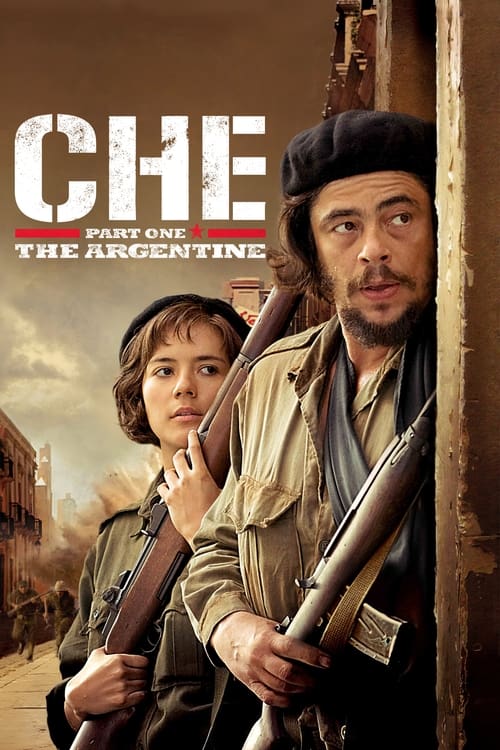
The Argentine, begins as Che and a band of Cuban exiles (led by Fidel Castro) reach the Cuban shore from Mexico in 1956. Within two years, they mobilized popular support and an army and toppled the U.S.-friendly regime of dictator Fulgencio Batista.
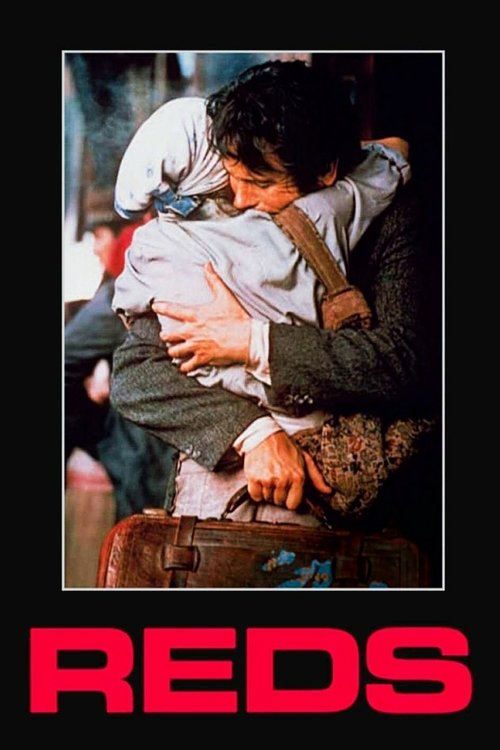
An account of the revolutionary years of the legendary American journalist John Reed, who shared his adventurous professional life with his radical commitment to the socialist revolution in Russia, his dream of spreading its principles among the members of the American working class, and his troubled romantic relationship with the writer Louise Bryant.
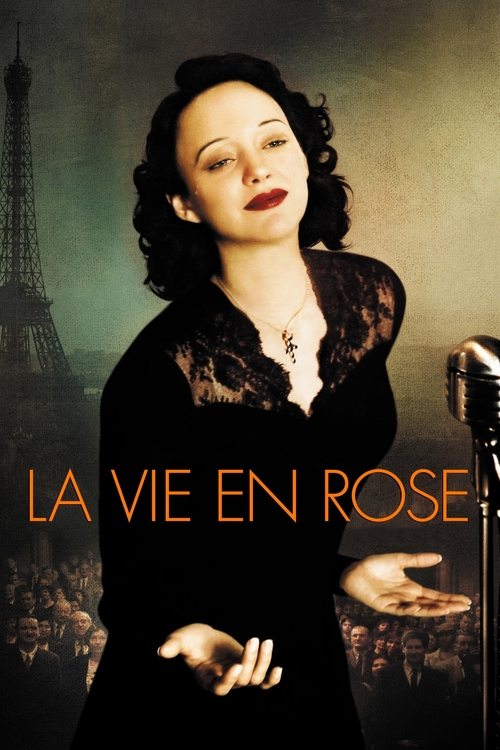
From the mean streets of the Belleville district of Paris to the dazzling limelight of New York's most famous concert halls, Edith Piaf's life was a constant battle to sing and survive, to live and love. Raised in her grandmother's brothel, Piaf was discovered in 1935 by nightclub owner Louis Leplee, who persuaded her to sing despite her extreme nervousness. Piaf became one of France's immortal icons, her voice one of the indelible signatures of the 20th century.
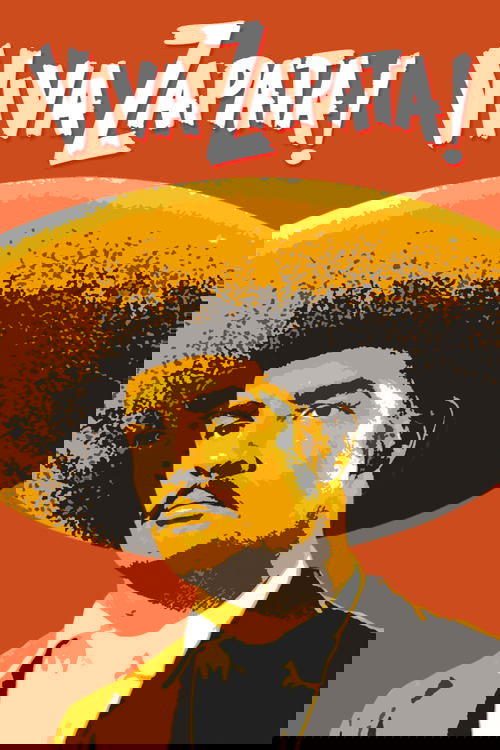
The story of Mexican revolutionary Emiliano Zapata, who led a rebellion against the corrupt, oppressive dictatorship of president Porfirio Díaz in the early 20th century.
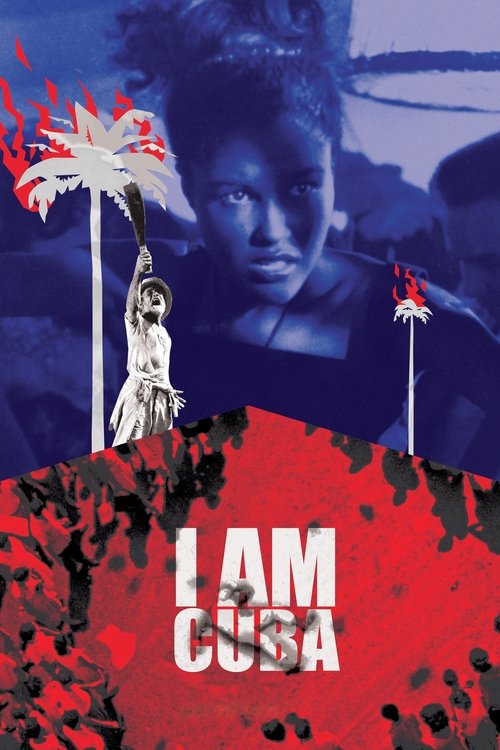
Four vignettes on the lives of the Cuban people in the pre-revolutionary era. In Havana, Maria is ashamed when a man she loves discovers how she makes a living. Pedro, an old farmer, discovers that the land he cultivates is being sold to an American company. A student sees his friends attacked by the police while they distribute leaflets supporting Fidel Castro. Finally, a peasant family is threatened by Batista's army.
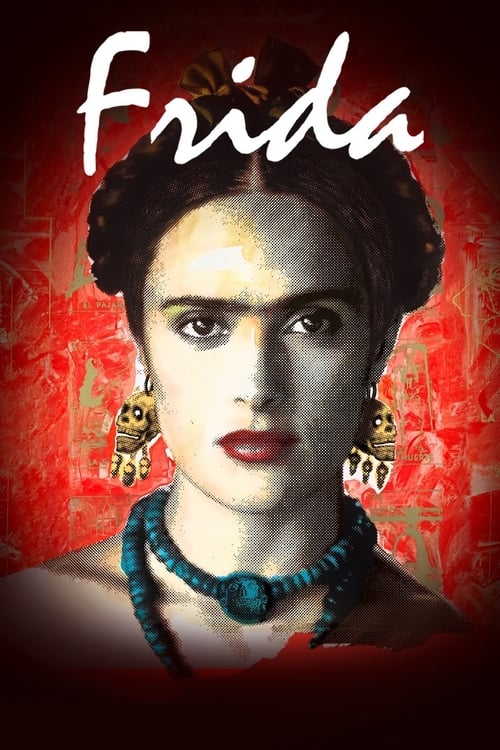
A biography of artist Frida Kahlo, who channeled the pain of a crippling injury and her tempestuous marriage into her work.
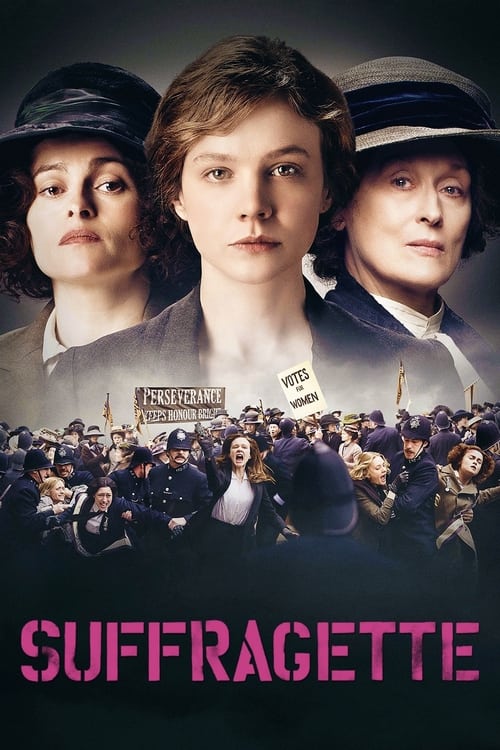
Based on true events about the foot soldiers of the early feminist movement, women who were forced underground to pursue a dangerous game of cat and mouse with an increasingly brutal State.

After a wonderful time in Hungary Sissi falls extremely ill and must retreat to a Mediterranean climate to rest. The young empress’ mother takes her from Austria to recover in Madeira.
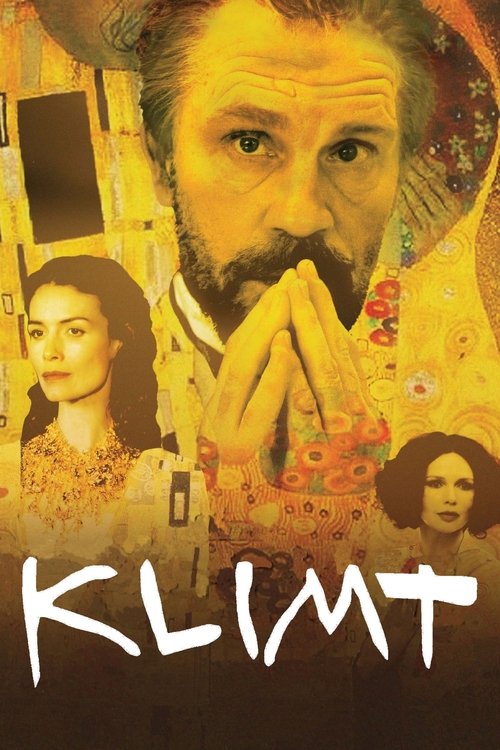
A portrait of Austrian artist Gustav Klimt whose lavish, sexual paintings came to symbolize the art nouveau style of the late 19th and early 20th century.
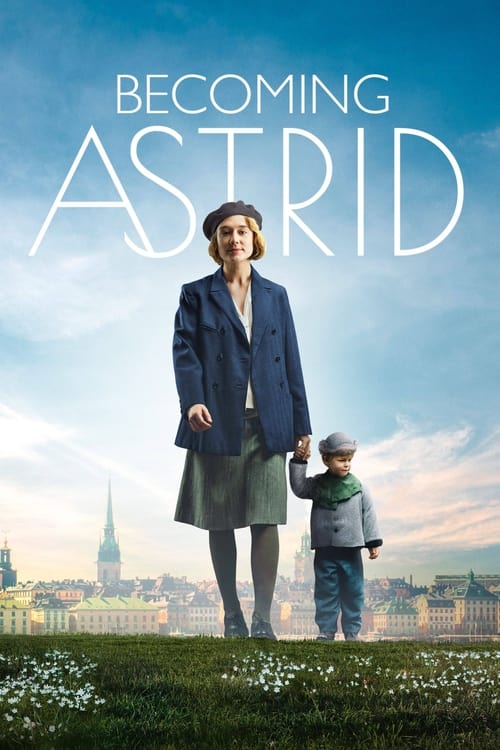
When Astrid Lindgren was very young something happened that affected her profoundly, and this combination of both miracle and calamity came to shape her entire life. It was an event that transformed her into one of the most inspiring women of our age and the storyteller a whole world would come to love. This is the story of when a young Astrid, despite the expectations of her time and religious upbringing, decided to break free from society's norms and follow her heart.
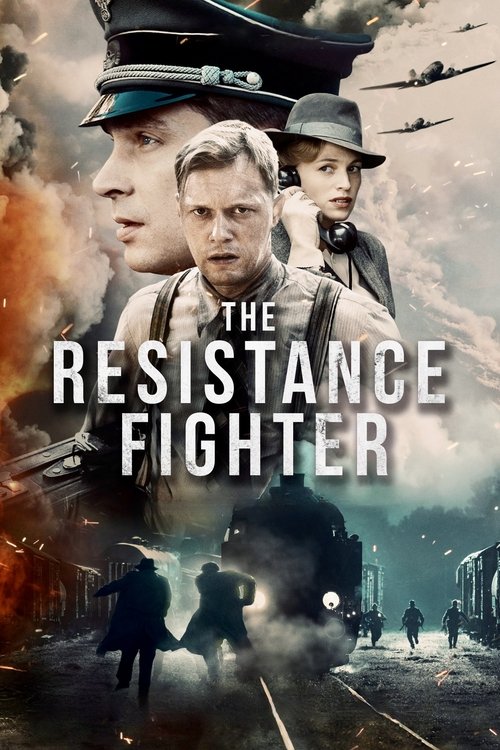
Based on the true story of Jan Nowak-Jezioranski, who served as a courier between the commanders of the Polish Home Army and the Polish Government in Exile in London. He must return quickly to Warsaw to transmit orders from the Polish PM to the Home Army's commander-in-chief before the start of the Warsaw uprising.

An aged Charlie Chaplin narrates his life to his autobiography's editor, including his rise to wealth and comedic fame from poverty, his turbulent personal life and his run-ins with the FBI.

In her public persona, Eleanor “Tussy” Marx was a translator, actress, a children’s rights activist and a persuasive labour organizer, a tireless powerhouse determined to carry on her father’s work. She held her own with twentieth century gods, including both her father and his colleague Engels. In her privately life, however, she was vulnerable and her attraction to the self-indulgent and self-important Edward Aveling led her into misery and ultimately proved fatal.

A mysterious woman recounts the rise and fall of Nikodem "Nikoś" Skotarczak, one of the biggest gangsters in Poland's history. Inspired by a true story.
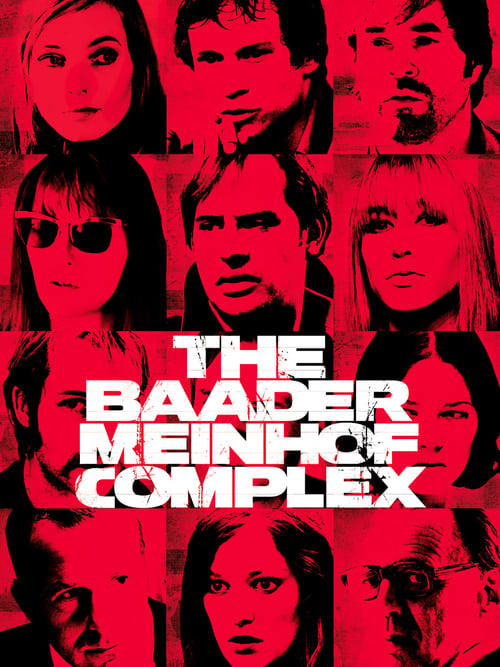
When German police viciously quell a protest against the shah of Iran, popular journalist Ulrike Meinhof rebels against her dishonest marriage, walks away from her children and joins radical anarchist Andreas Baader. Together with Baader's girlfriend, Gudrun Ensslin, they form the violent Red Faction Army, and together perpetrate a slew of terrorist attacks as a way of disrupting the fabric of what they see as an increasingly fascist state.
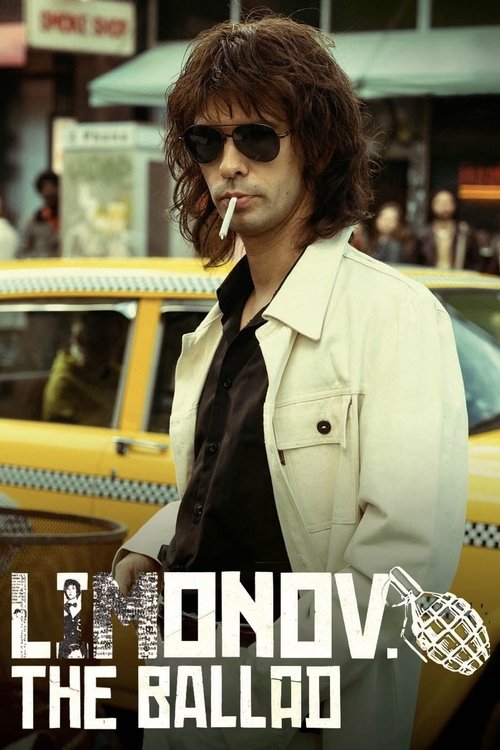
A revolutionary militant, a thug, an underground writer, a butler to a millionaire in Manhattan. But also a switchblade-waving poet, a lover of beautiful women, a warmonger, a political agitator, and a novelist who wrote of his greatness. Eduard Limonov’s life story is a journey through Russia, America, and Europe during the second half of the 20th century.
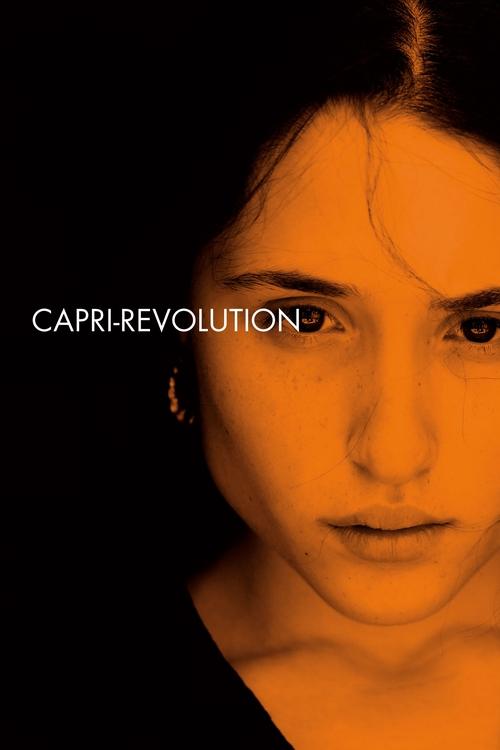
In 1914, with Italy on the cusp of joining World War I, a group of foreign artists establishes a commune on the rural island of Capri, catching the attention of young Lucia, a local illiterate shepherdess who soon falls under their spell.
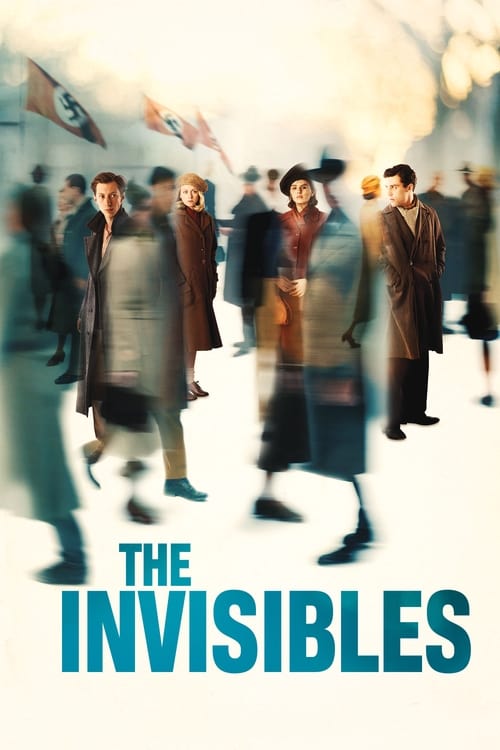
Four young Jews survive the Third Reich in the middle of Berlin by living so recklessly that they become "invisible."
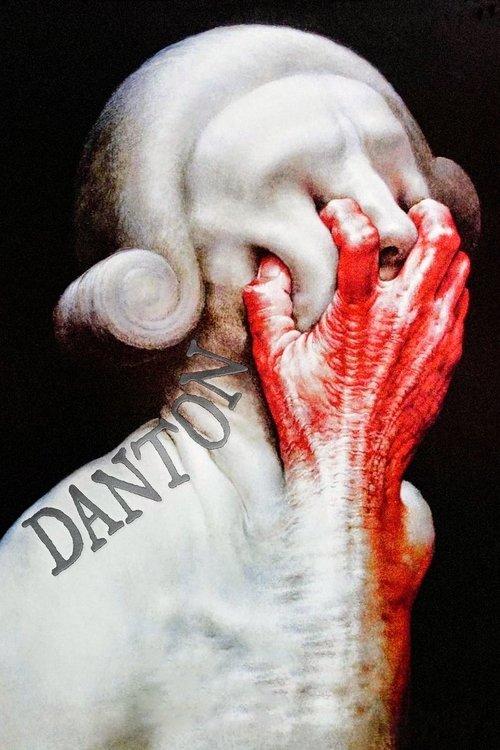
Danton and Robespierre were close friends and fought together in the French Revolution, but by 1793 Robespierre was France's ruler, determined to wipe out opposition with a series of mass executions that became known as the Reign of Terror. Danton, well known as a spokesman of the people, had been living in relative solitude in the French countryside, but he returned to Paris to challenge Robespierre's violent rule and call for the people to demand their rights. Robespierre, however, could not accept such a challenge, even from a friend and colleague, and he blocked out a plan for the capture and execution of Danton and his allies.

During the last two years of her life, Princess Diana campaigns against the use of land mines and has a secret love affair with a Pakistani heart surgeon.
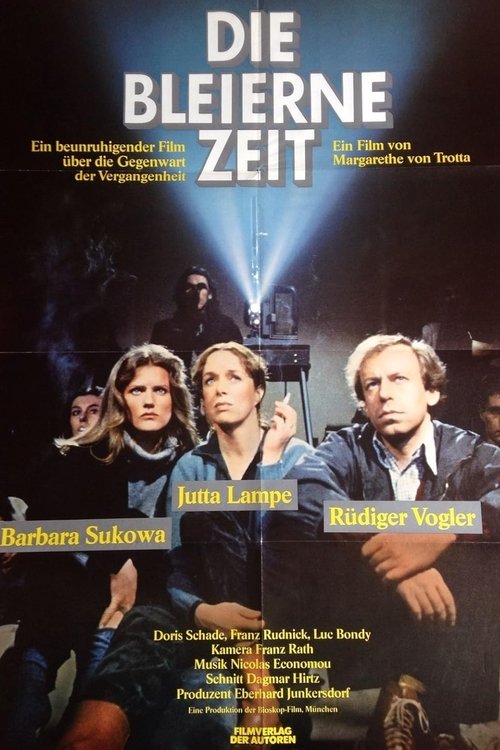
Germany, 1968: The priest's daughters Marianna and Juliane both fight for changes in society, like making abortion legal. However their means are totally different: while Juliane's committed as a reporter, her sister joins a terroristic organization. After she's caught by the police and put into isolation jail, Juliane remains as her last connection to the rest of the world. Although she doesn't accept her sister's arguments and her boyfriend Wolfgang doesn't want her to, Juliane keeps on helping her sister. She begins to question the way her sister is treated.

The true story of pianist Władysław Szpilman's experiences in Warsaw during the Nazi occupation. When the Jews of the city find themselves forced into a ghetto, Szpilman finds work playing in a café; and when his family is deported in 1942, he stays behind, works for a while as a laborer, and eventually goes into hiding in the ruins of the war-torn city.

Two families attempt a daredevil plan to escape the GDR with a homemade hot air balloon, but it crashes just before the border. The Stasi finds traces of this attempt to escape and immediately starts investigations, while the two families are forced to build a new escape balloon. With each passing day the Stasi is closer on their heels – a nerve-wracking race against time begins.
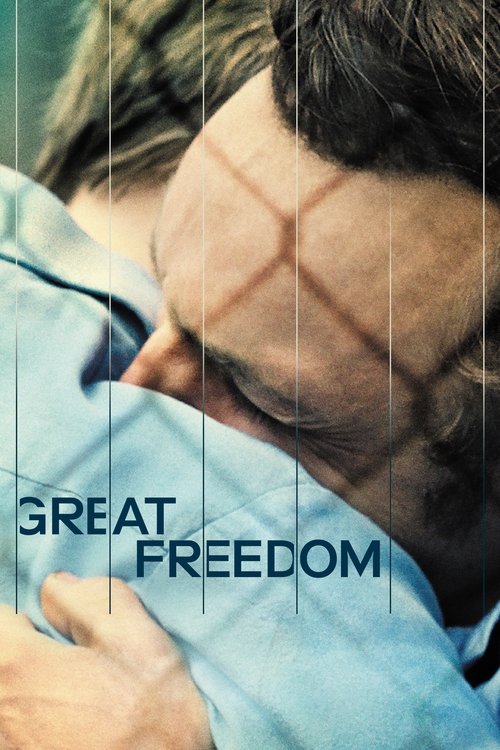
In post-war Germany, liberation by the Allies does not mean freedom for everyone. Hans Hoffmann is repeatedly imprisoned under Paragraph 175, which criminalizes homosexuality. Nevertheless, over the decades, he continues his quest for freedom and love, even if he finds it in the most unusual places.
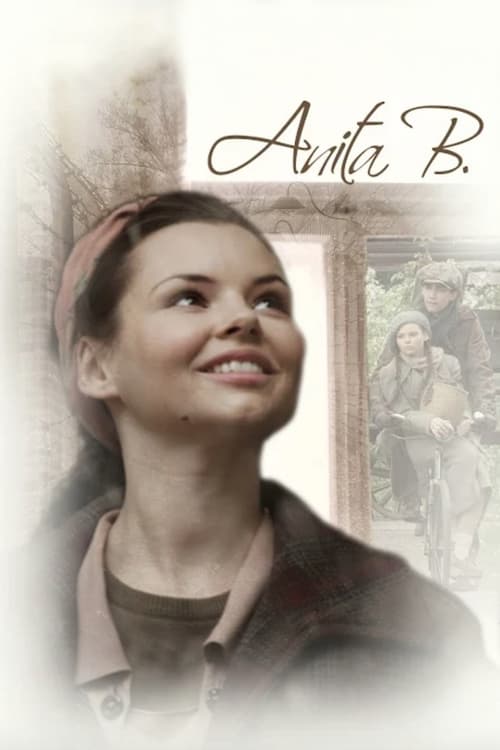
After World War II, Anita, a young survivor of Auschwitz, becomes involved in an intense and passionate affair that almost shatters her until she gains the strength to start a new life.
In the last few days of the Warsaw Uprising during World War II, a modest group of Resistance members remains. The band must take refuge in the sewers under the orders of leader Zadra, but it's only a matter of time before they will have to emerge. However, when they try, they are met only with intense hostility from the Nazis. Despite their attempts stay resolute through immense mental strain, it becomes increasingly apparent that they may be doomed.
In nineteenth-century Łódź, Poland, three friends want to make a lot of money by building and investing in a textile factory. An exceptional portrait of rapid industrial expansion is shown through the eyes of one Polish town.
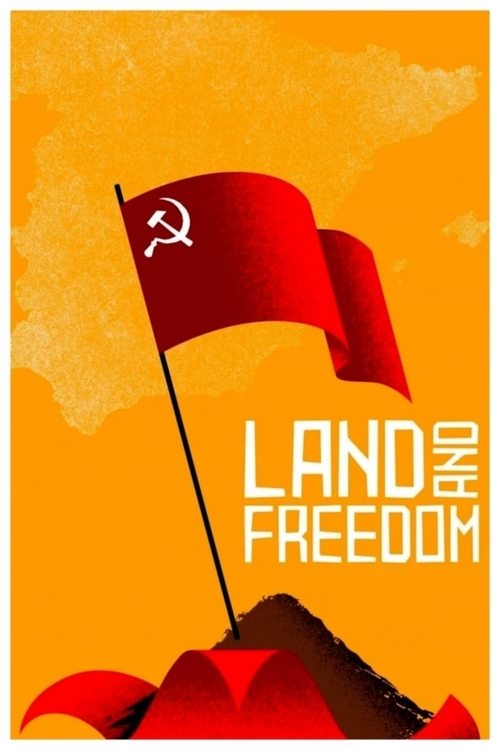
David Carr is a British Communist who is unemployed. In 1936, when the Spanish Civil War begins, he decides to fight for the Republican side, a coalition of liberals, communists and anarchists, so he joins the POUM militia and witnesses firsthand the betrayal of the Spanish revolution by Stalin's followers and Moscow's orders.

True story of thirteen totally normal young women that suffered harsh questioning and were put in prison under made up charges of helping the rebellion against Franco back in the 1940s. Despite of their innocence, the thirteen were soon executed without even a trace of evidence of any wrong doing.
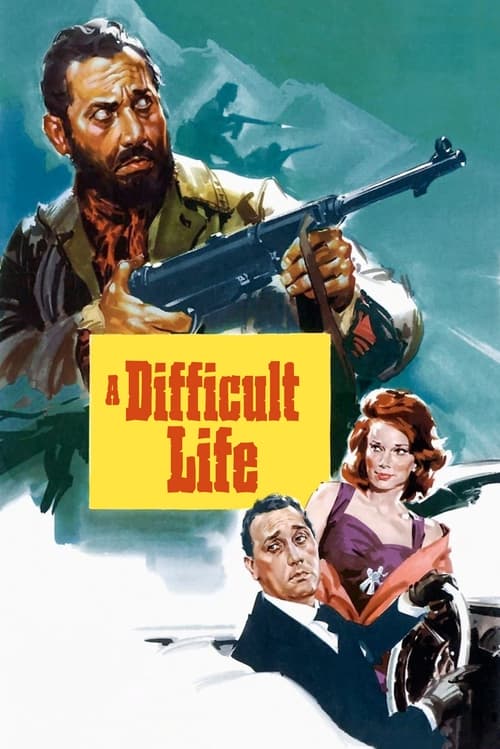
Silvio refuses to fight for the fascists and joins the resistance with Elena. After the war, his vitriolic newspaper articles cause him to be sentenced to imprisonment.
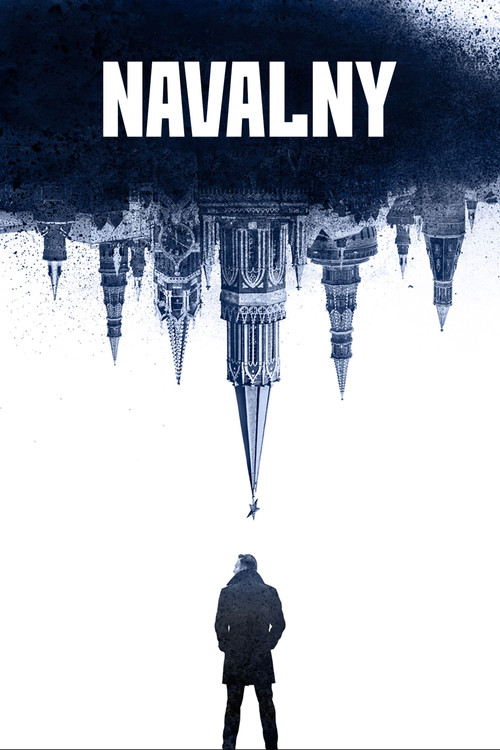
Follows the man who survived an assassination attempt by poisoning with a lethal nerve agent in August 2020. During his months-long recovery, he makes shocking discoveries about the attempt on his life and decides to return home.
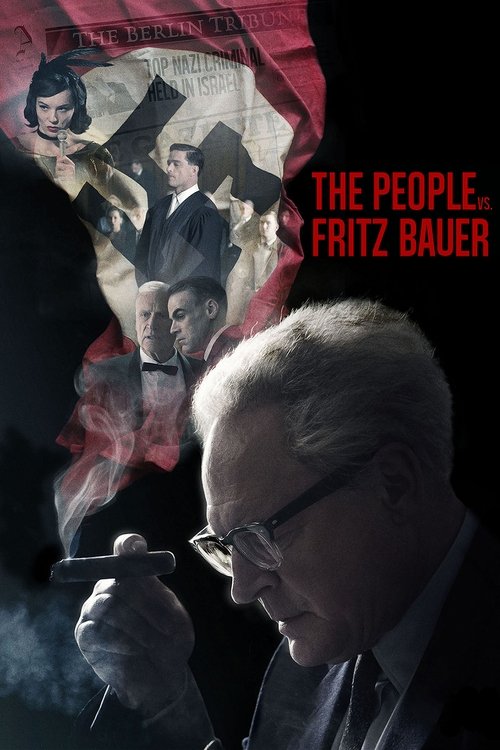
It is the late 1950s. Flourishing under the economic miracle, Germany grows increasingly apathetic about confronting the horrors of its recent past. Nevertheless, Fritz Bauer doggedly devotes his energies to bringing the Third Reich to justice. One day Bauer receives a letter from Argentina, written by a man who is certain that his daughter is dating the son of Adolph Eichmann. Excited by the promising lead, and mistrustful of a corrupt judiciary system where Nazis still lurk, Bauer journeys to Jerusalem to seek alliance with Mossad, the Israeli secret service. To do so is treason — yet committing treason is the only way Bauer can serve his country.

In an early 20th century village, a painter with an unusual commission finds two pretty girls two model for him. The girls slowly come of age while exploring their sexuality and finding liberation in a repressed society.
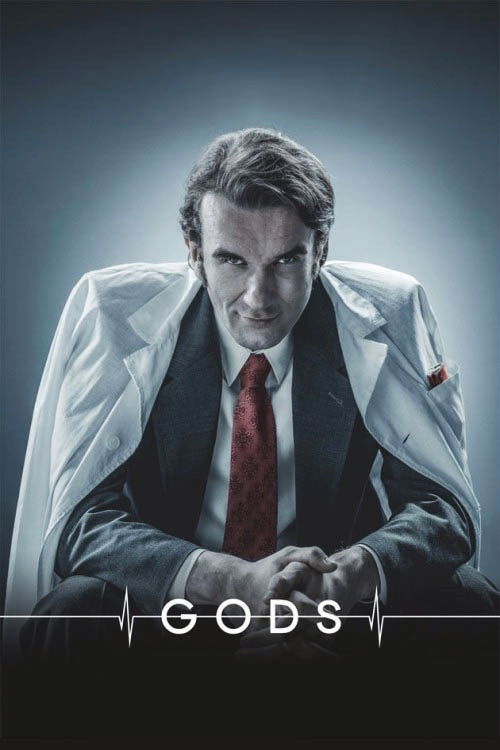
Set in communist Poland of the 80s the movie depicts early career of cardio surgeon Zbigniew Religa.

Filip buys an 8mm movie camera when his first child is born. Because it's the first camera in town, he's named official photographer by the local Party boss. His horizons widen when he is sent to regional film festivals with his first works but his focus on movie making also leads to domestic strife and philosophical dilemmas.
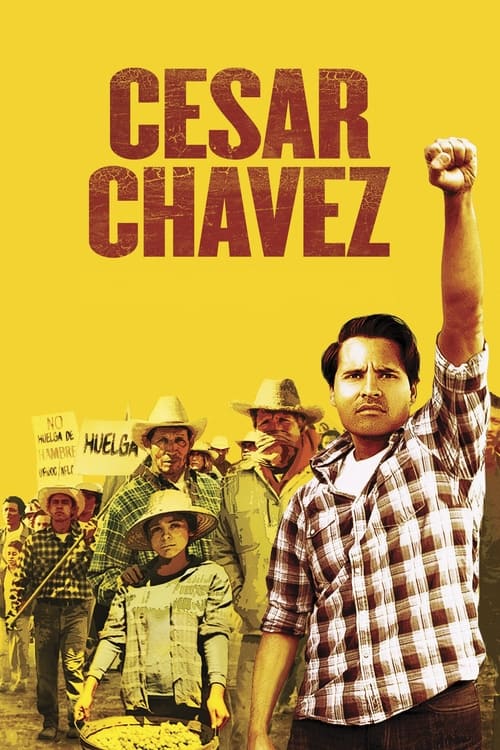
A biography of the civil-rights activist and labor organizer Cesar Chavez. Chronicling the birth of a modern American labour movement, Cesar Chavez tells the story of the famed civil rights leader and labour organiser torn between his duties as a husband and father and his commitment to securing a living wage for farm workers. Passionate but soft-spoken, Chavez embraced non-violence as he battled greed and prejudice in his struggle to bring dignity to working people.
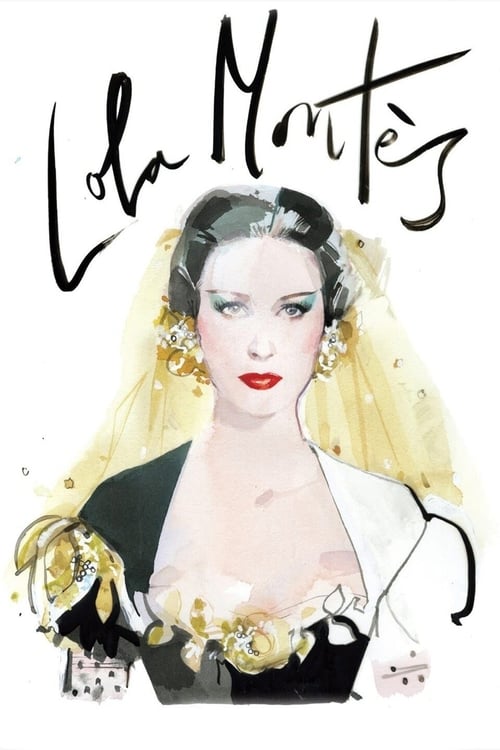
Lola Montes, previously a great adventuress, is reduced to being the attraction of a circus after having been the lover of various important men.

Sissi is now the empress of Austria and attempts to learn etiquette. While she is busy being empress she also has to deal with her difficult new mother-in-law, while the arch-duchess Sophie is trying to tell the emperor how to rule and also Sissi how to be a mother.
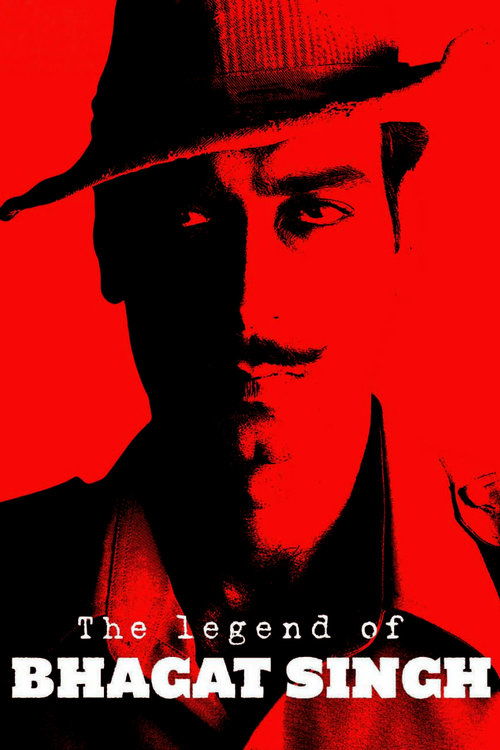
Born in British India, Bhagat Singh witnesses numerous atrocities during his childhood and grows up to become one of the most fearless freedom fighters in the country.
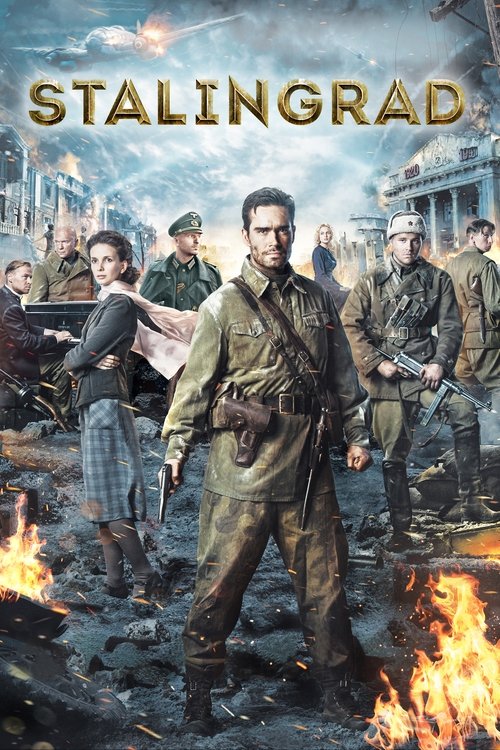
A band of determined Russian soldiers fight to hold a strategic building in their devastated city against a ruthless German army, and in the process become deeply connected to a Russian woman who has been living there.
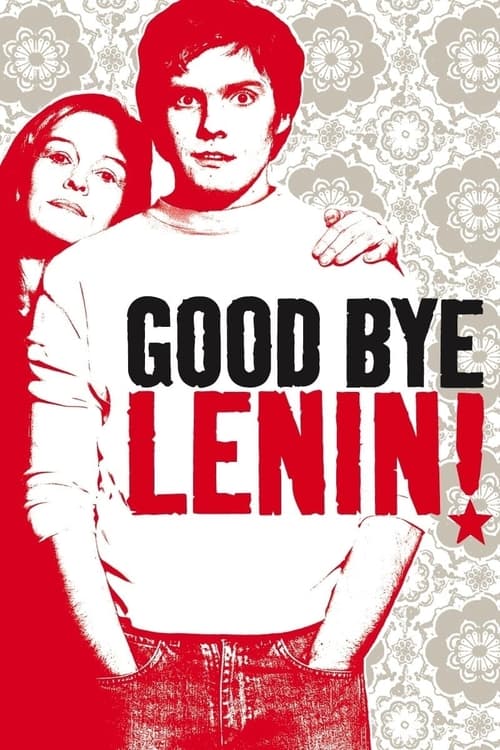
Alex Kerner's mother was in a coma while the Berlin wall fell. When she wakes up he must try to keep her from learning what happened (as she was an avid communist supporter) to avoid shocking her which could lead to another heart attack.
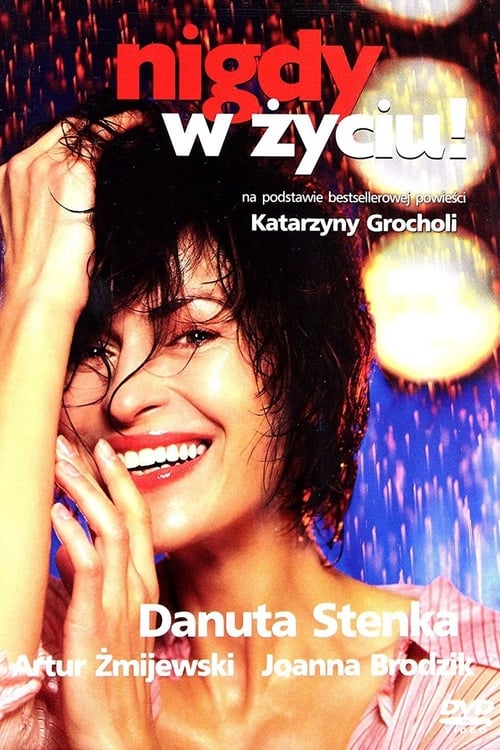
Judyta is a middle-aged housewife whose peaceful life suddenly falls apart due to divorce. But soon she finds the strength to carry on fighting for her happiness, a place in the sun and love of her life.
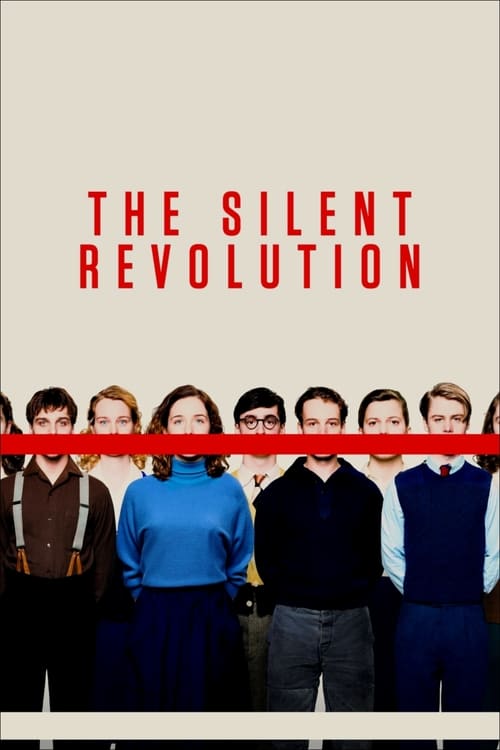
Stalinstadt, East Germany, 1956. While the Hungarian uprising against Soviets is taking place, teenage members of a classroom of the local school perform a seemingly harmless act that causes unexpected consequences.
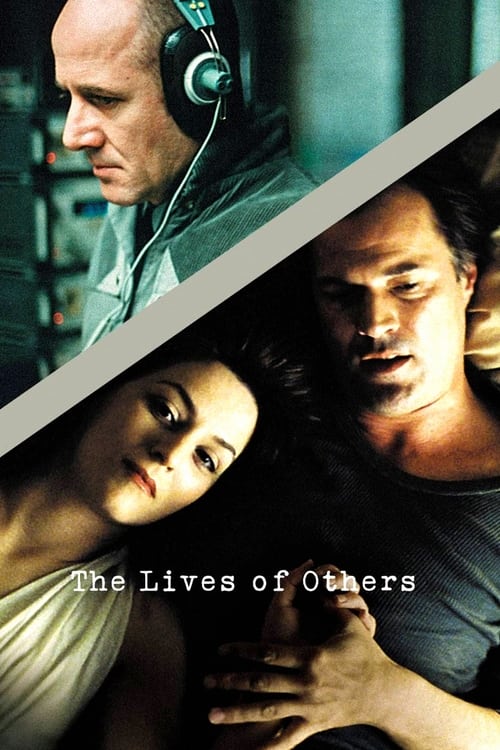
In 1984 East Berlin, dedicated Stasi officer Gerd Wiesler begins spying on a famous playwright and his actress-lover Christa-Maria. Wiesler becomes unexpectedly sympathetic to the couple, and faces conflicting loyalties when his superior takes a liking to Christa-Maria.
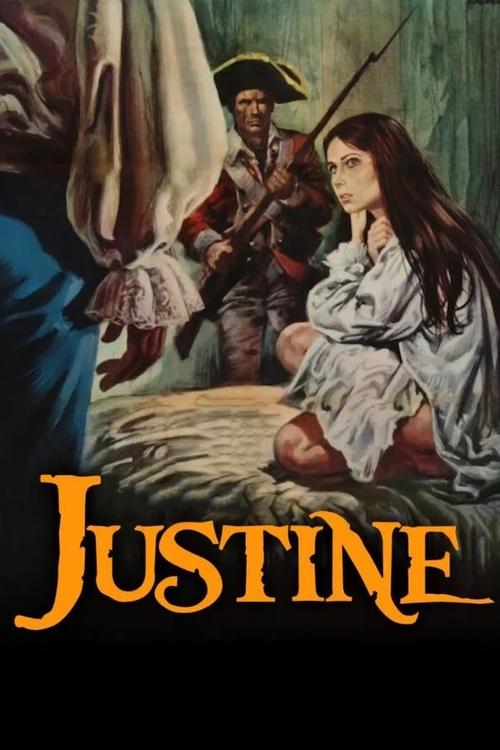
Without a family, penniless and separated from her sister, a beautiful chaste woman will have to cope with an endless parade of villains, perverts and degenerates who will claim not only her treasured virtue but also her life.
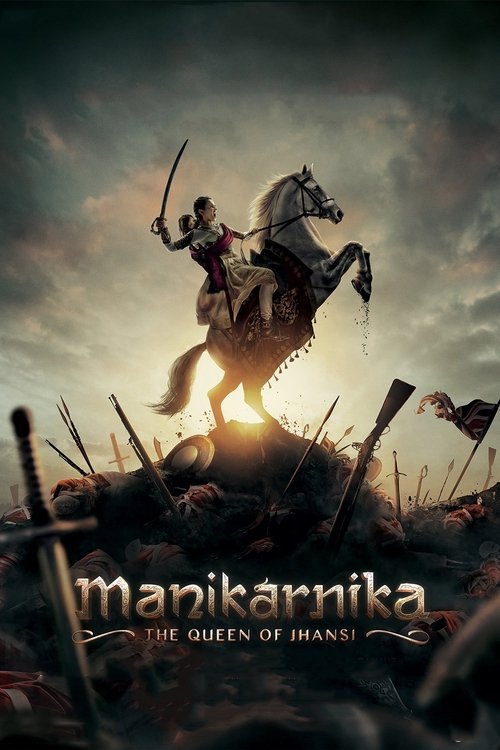
Story of Rani Lakshmibai, one of the leading figures of the Indian Rebellion of 1857 and her resistance to the British Rule.
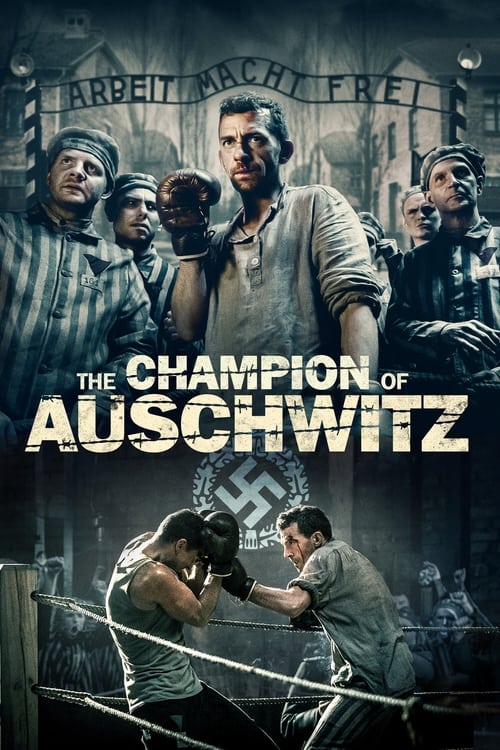
It is 1940. The first transport of prisoners arrives at the newly created concentration camp Auschwitz. One of them is Tadeusz “Teddy” Pietrzykowski, pre-war boxing champion of Warsaw. The camp officers force him to fight in the ring for his and other prisoners’ lives. However, his every win strengthens the hope that Nazis are not invincible. Auschwitz officers notice the growing resistance. The confrontation with the authorities of the camp becomes inevitable.
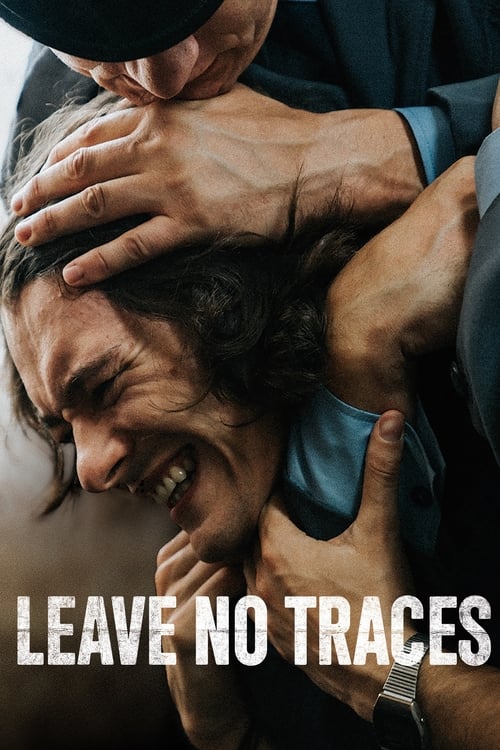
In 1983, communist Poland is shaken by the case of high school student Grzegorz Przemyk, who is beaten to death by police. The only witness of the beating becomes the number one enemy of the state.
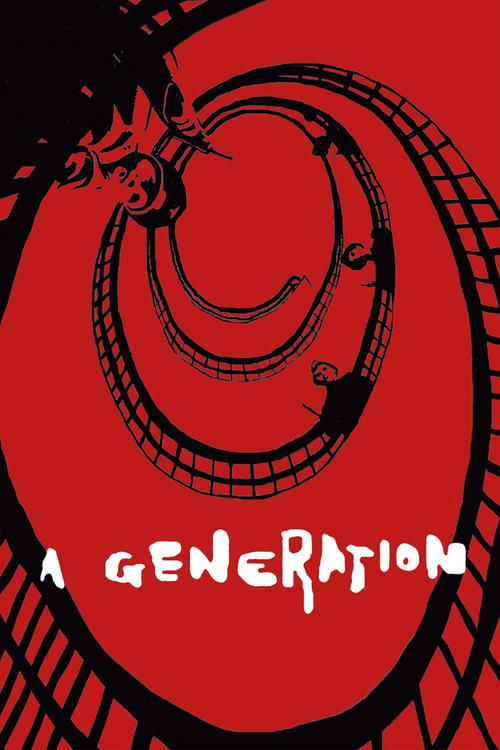
Stach is a wayward teen living in squalor on the outskirts of Nazi-occupied Warsaw. Guided by an avuncular Communist organizer, he is introduced to the underground resistance—and to the beautiful Dorota. Soon he is engaged in dangerous efforts to fight oppression and indignity, maturing as he assumes responsibility for others’ lives. A coming-of-age story of survival and shattering loss, A Generation delivers a brutal portrait of the human cost of war.

A man and a woman meet in the ruins of post-war Poland. With vastly different backgrounds and temperaments, they are fatally mismatched and yet drawn to each other.
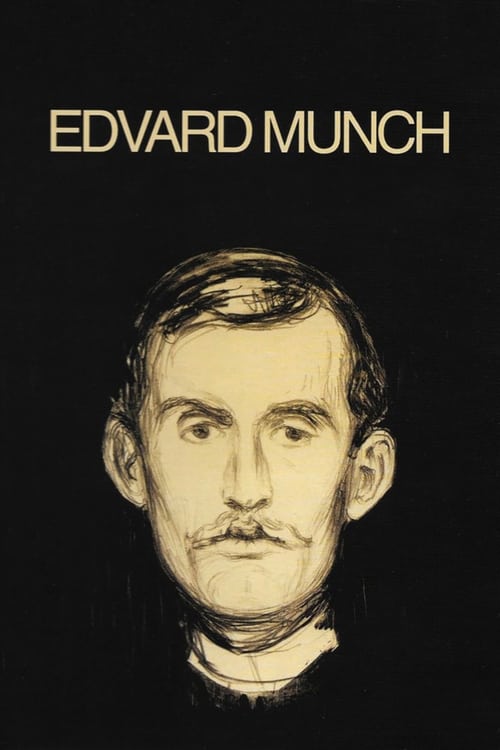
Edvard Munch's childhood is overshadowed by death: he suffers the loss of his sister and mother, while enduring serious illness himself, almost dying. At university, Munch discovers his talent as a painter. As he immerses himself in the art world, he becomes part of a cultural revolution lead by the likes of nihilist Hans Jæger.

A German woman on a ship returning to Europe notices a face of another woman which brings recollections from the past. She tells her husband that she had been an overseer in Auschwitz during the war, but she has actually saved a woman's life.
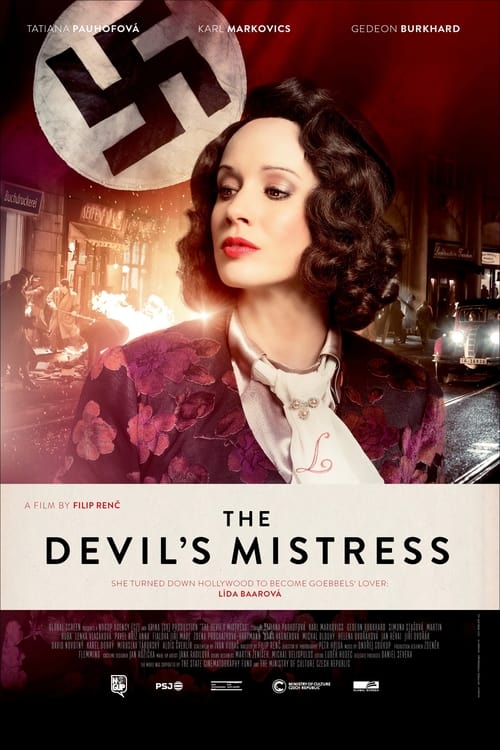
Salzburg, Germany, 2000. The elderly Czech actress Lída Baarová tells a journalist the tumultuous story of her rise to fame in 1930s Berlin and her passionate relationship with the sinister Joseph Goebbels, Minister of Propaganda of the Third Reich.

Born in the early 20th century, herbalist Jan Mikolasek became rich and famous after curing countless diseases with unorthodox means. A true emblem of Czechoslovakia before World War II, the healer became even more appreciated during the Nazi occupation and the communist regime. Each regime appreciates his skill and protects him. But how much will it cost him to maintain his status in a new political change?

As the world teeters on the brink of annihilation, Dietrich Bonhoeffer joins a deadly plot to assassinate Hitler, risking his faith and fate to save millions of Jews from genocide.
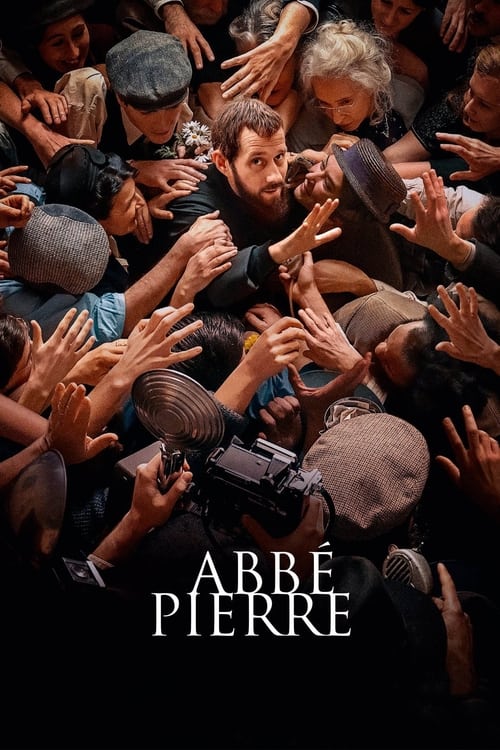
The life of Henri Grouès, known as Abbé Pierre, from his time in the Resistance in WWII to his fights against poverty and for the homeless.
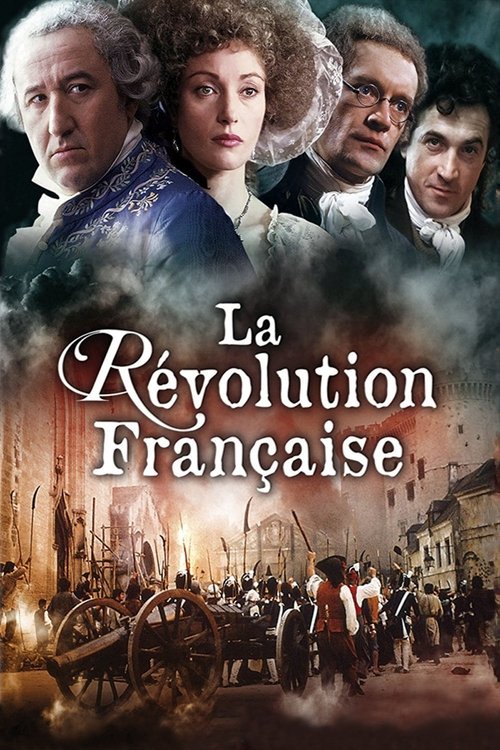
A history of the French Revolution beginning from the decision of the king to convene the Etats-Generaux in 1789 in order to deal with France's debt problem. Part one spans the event until August 10, 1792 (when the King Louis XVI lost all authority and was imprisoned). Part two carries the story through the end of the terror in 1794.
Young Polish nobleman Jakub is saved from imprisonment by a stranger. In return, the stranger wants to obtain a list of Jakub’s fellow conspirators. As he follows his mysterious savior across the country, Jakub is affected by the overall chaos and moral corruption; he goes insane and becomes a mass murderer.
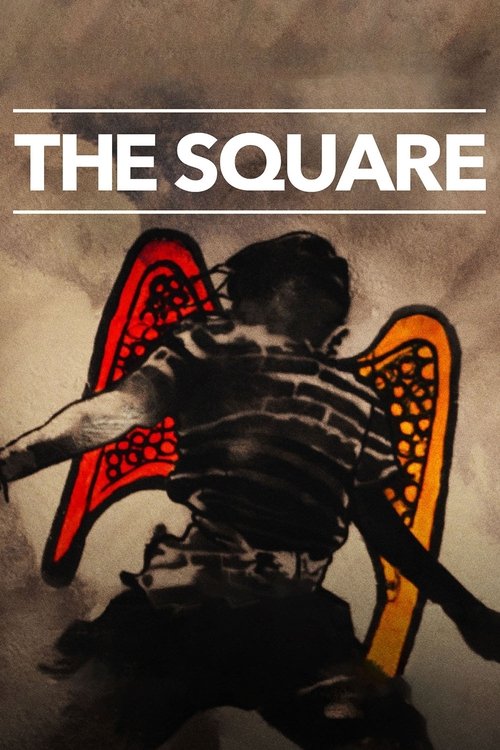
The Square looks at the hard realities faced day-to-day by people working to build Egypt’s new democracy. Cairo’s Tahrir Square is the heart and soul of the film, which follows several young activists. Armed with values, determination, music, humor, an abundance of social media, and sheer obstinacy, they know that the thorny path to democracy only began with Hosni Mubarak’s fall. The life-and-death struggle between the people and the power of the state is still playing out.
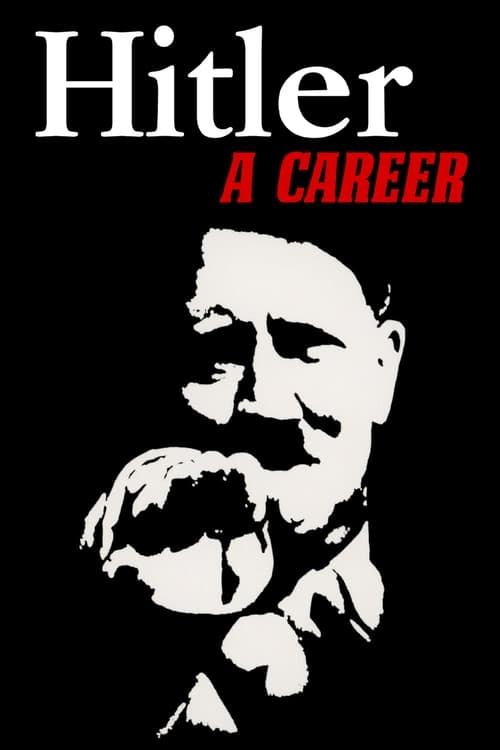
A keen chronicle of the unlikely rise to power of Adolf Hitler (1889-1945) and a dissection of the Third Reich (1933-1945), but also an analysis of mass psychology and how the desperate crowd can be deceived and shepherded to the slaughterhouse.

Romm pulls out all the stops in its selection of documentary material to draw the viewer not only into absolute horror about fascism and nazism in the 1920s–1940s Europe, but also to a firm conviction that nothing of the sort should be allowed to happen again anywhere in the world.
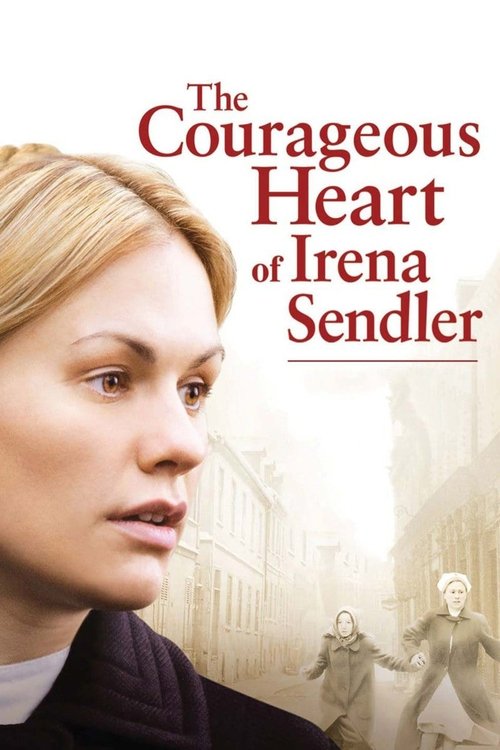
Irena Sendler is a Catholic social worker who has sympathized with the Jews since her childhood, when her physician father died of typhus contracted while treating poor Jewish patients. When she initially proposes saving Jewish children from the Warsaw Ghetto, her idea is met with skepticism by fellow workers, her parish priest, and even her own mother Janina.
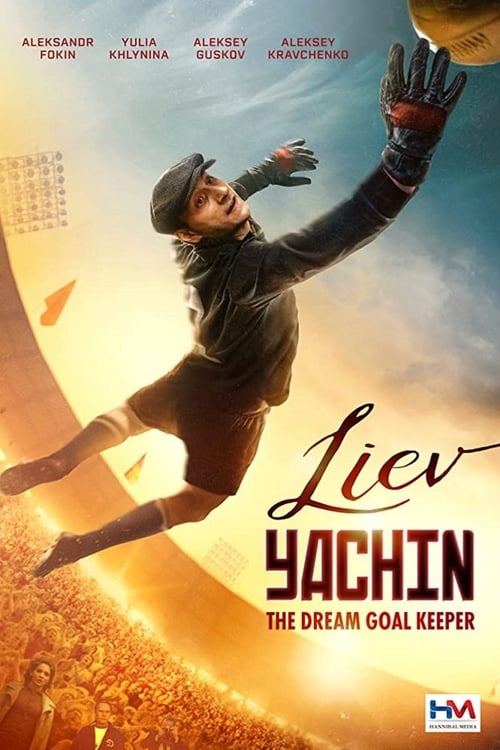
An ordinary working class boy, like all his peers, he played football day and night and dreamed of being a striker. But no matter which team he played for - in the yard, at the factory, or in the army - he was inevitably put in goal.
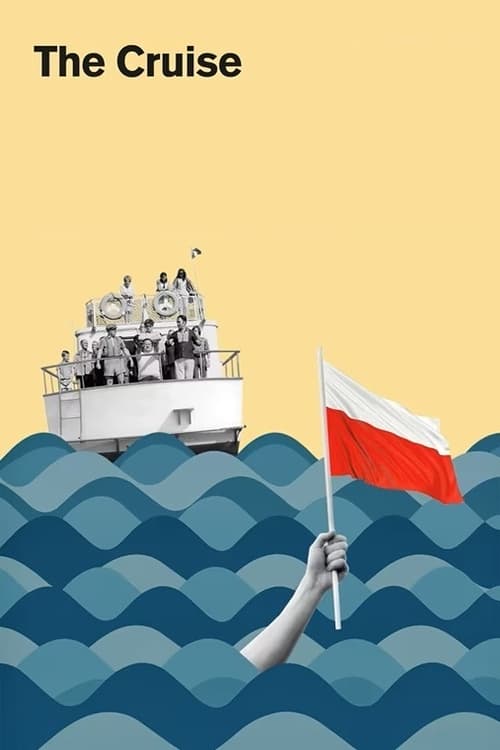
A stowaway sneaks aboard a ship departing on a cruise down the Vistula River. The captain takes him for a Communist Party cultural coordinator and the intruder gladly adapts to his new role, immediately setting to work at manipulating the passengers and crew into silly and vaguely humiliating games. Before long, Tym has got everyone under his thumb and created his own comedic dictatorship.
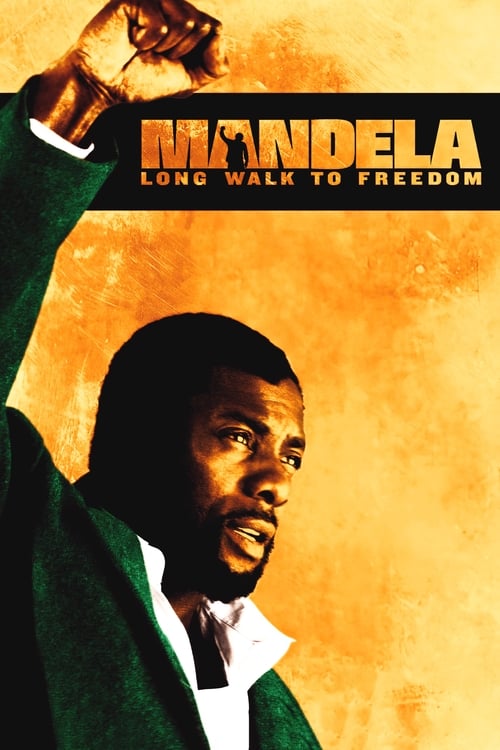
A chronicle of Nelson Mandela's life journey from his childhood in a rural village through to his inauguration as the first democratically elected president of South Africa.
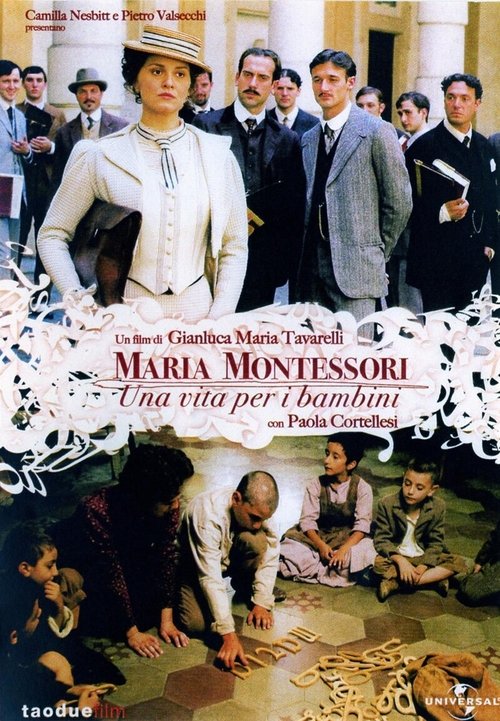
The story of Maria Montessori the most famous pedagogue of the world. She spent all her life to make her "metodo" (method) accepted in the archaic Italian school system, while the rest of the world immediately understand the importance of her theories. She was the first Italian Doctor, a famous feminist, a scientist. Her private life was hit by having an illegitimate son and by the Fascism that didn't want to accept completely her theories.
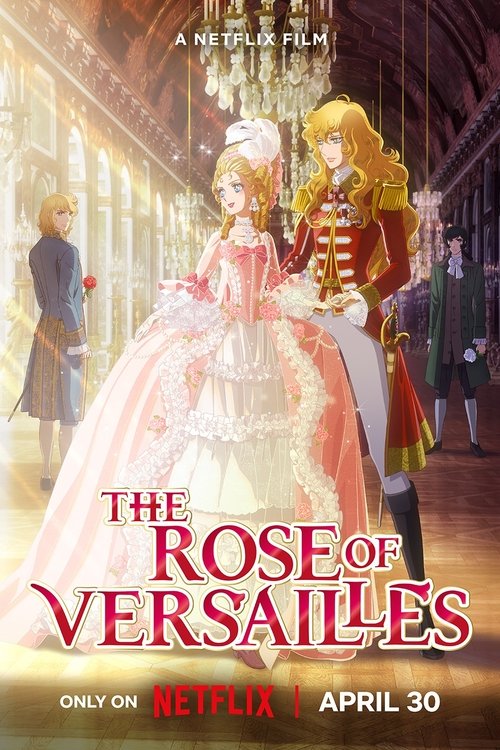
In an age of revolution, Marie Antoinette and her protector Oscar François de Jarjayes face tough choices as women growing into their distinct roles.
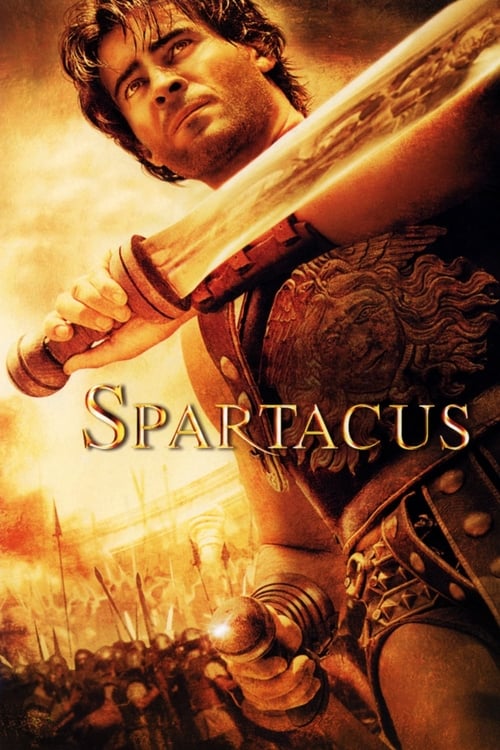
Sentenced to spend out the rest of his adult life laboring in the harsh deserts of Egypt, the Thracian slave Spartacus gets a new lease on life when he is purchased by the obese owner of a Roman gladiator school. Moved by the defiance of an Ethiopian warrior, Draba, Spartacus leads a slave uprising which threatens Rome's status quo. As Spartacus gains sympathy within the Roman Senate, he also makes a powerful enemy in form of Marcus Lucinius Crassus, who makes it a matter of personal honor to crush the rebellion.
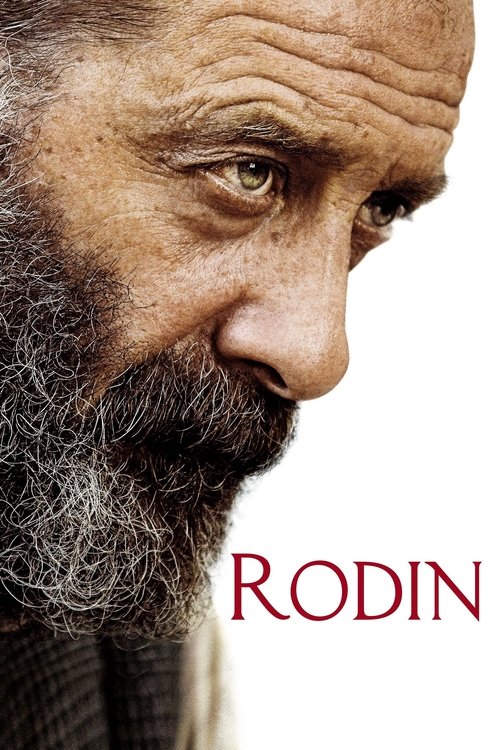
Auguste Rodin (1840-1917), man of the people, autodidact and revolutionary sculptor - the most brilliant of his era. At 42, Rodin meets Camille Claudel, a young woman desperate to become his assistant. He quickly acknowledges her as his most able pupil, and treats her as an equal in matters of creation.
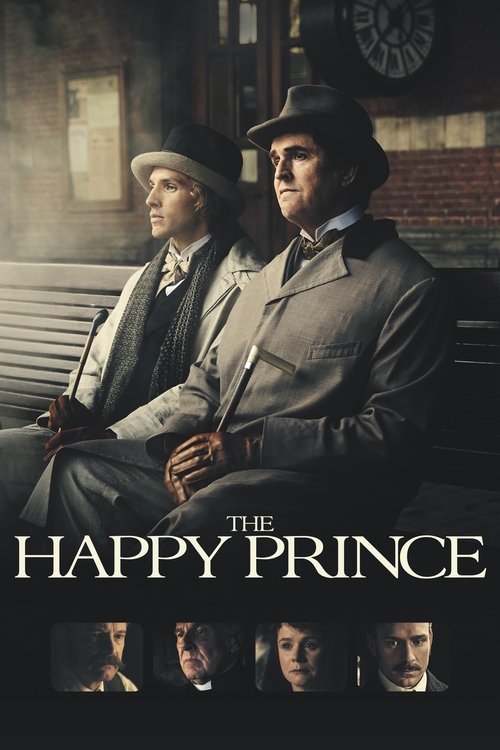
In 1895, Oscar Wilde (1854-1900) was the most famous writer in London, and Bosie Douglas, son of the notorious Marquess of Queensberry, was his lover. Accused and convicted of gross indecency, he was imprisoned for two years and subjected to hard labor. Once free, he abandons England to live in France, where he will spend his last years, haunted by memories of the past, poverty and immense sadness.
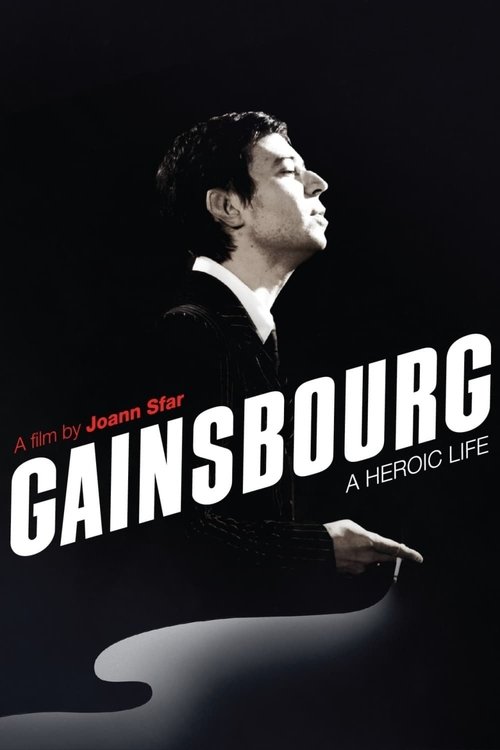
A glimpse at the life of French singer Serge Gainsbourg, from growing up in 1940s Nazi-occupied Paris through his successful song-writing years in the 1960s to his death in 1991 at the age of 62.
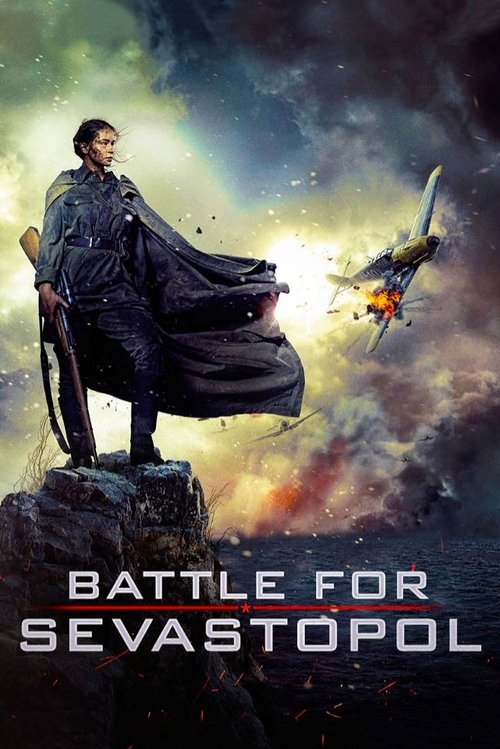
The story of Lyudmila Pavlichenko, the most successful female sniper in history.
In 1919, Hungarian Communists aid the Bolsheviks' defeat of Czarists, the Whites. Near the Volga, a monastery and a field hospital are held by one side and then the other.
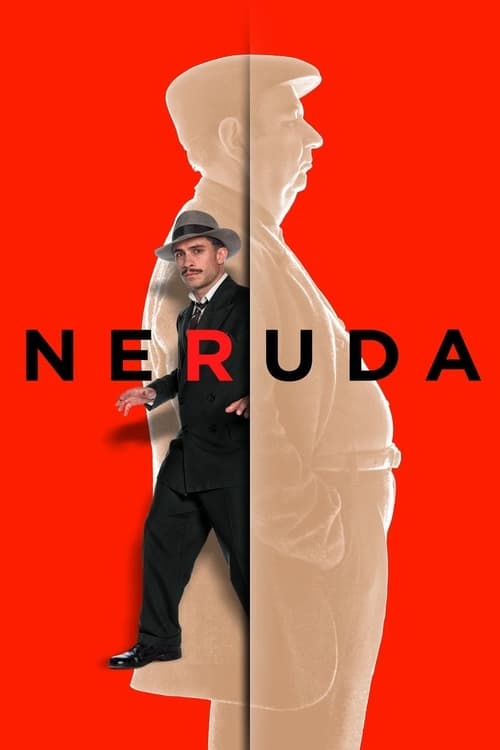
It’s 1948 and the Cold War has arrived in Chile. In the Congress, prominent Communist Senator and popular poet Pablo Neruda accuses the government of betraying the Party and is stripped of his parliamentary immunity by President González Videla. The Chief of Investigative Police instructs inspector Óscar Peluchonneau to arrest the poet. Neruda tries to escape from the country with his wife, the painter Delia del Carril, but they are forced to go underground.
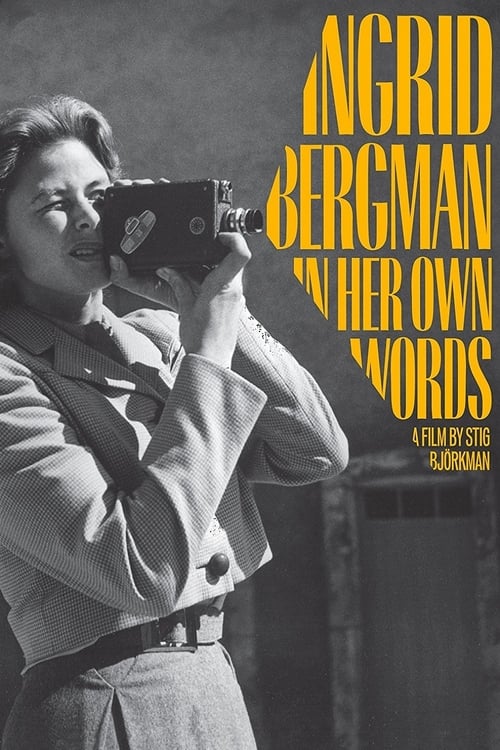
A personal and captivating account of the extraordinary life and work of Ingrid Bergman (1915-82), a young Swedish woman who became one of the most celebrated actresses in world cinema.
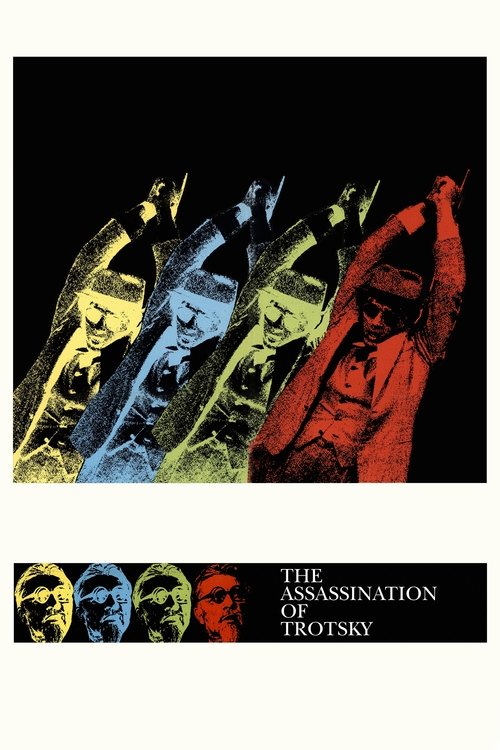
A Stalinist assassin tracks exiled revolutionary Leon Trotsky to Mexico in 1940.
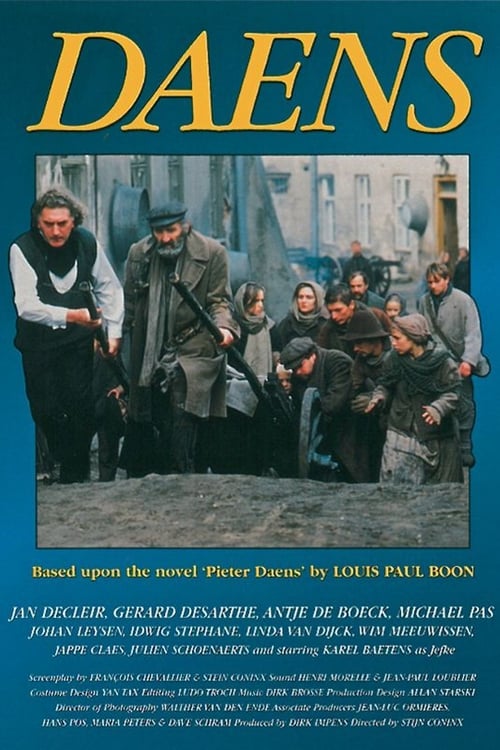
In the 1890s, Father Adolf Daens goes to Aalst, a textile town where child labor is rife, pay and working conditions are horrible, the poor have no vote, and the Catholic church backs the petite bourgeoisie in oppressing workers. He writes a few columns for the Catholic paper, and soon workers are listening and the powerful are in an uproar. He's expelled from the Catholic party, so he starts the Christian Democrats and is elected to Parliament. After Rome disciplines him, he must choose between two callings, as priest and as champion of workers. In subplots, a courageous young woman falls in love with a socialist and survives a shop foreman's rape; children die; prelates play billiards.