 Sonnenallee
Select exactly what you are looking for

A group of kids grow up on the short, wrong (east) side of the Sonnenallee in Berlin, right next to one of the few border crossings between East and West reserved for German citizens. The antics of these kids, their families, of the "West German" friends and relatives who come to visit, and of the East German border guards, all serve to illustrate the absurdity of everyday life on the Sonnenallee, and therefore throughout the former East Germany.
Sonnenallee
Three young Russian friends, who move from Moscow to Berlin in a lucky wave of emigration right after the fall of the Berlin wall. They take their chance looking for a better life and find themselves involved in the tales of everyday lunacy on the streets of Berlin and its spirit of the early nineties.

Alex Kerner's mother was in a coma while the Berlin wall fell. When she wakes up he must try to keep her from learning what happened (as she was an avid communist supporter) to avoid shocking her which could lead to another heart attack.
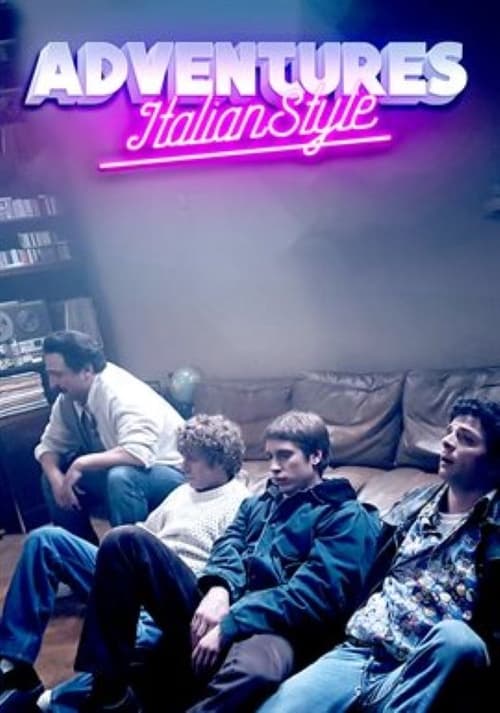
A few weeks before the Fall of the Berlin Wall, Pago, Rice and Bibi leave the calm city of Cesena looking for adventure: a ten-days-long holiday in Eastern Europe, in those places where the Soviet regime is still alive.
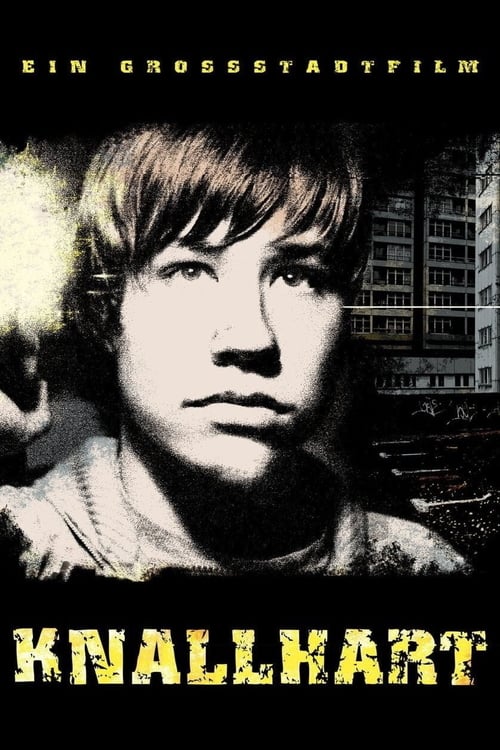
From the youth directed novel of the same name by Greogor Tressnow comes a film by Detlev Buck that is a realistic portrait of life in the section of Berlin called Neukölln. It’s about power and weakness, delinquents and victims, and the difficulties a 15-year-old faces in a poor and criminal environment.
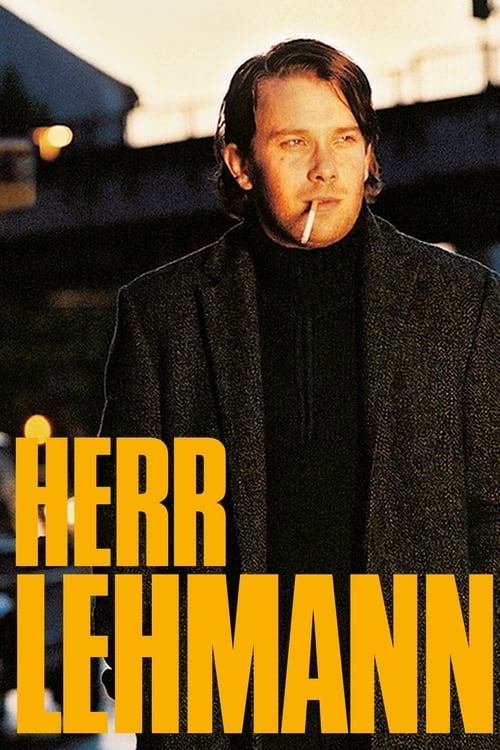
In October 1989, the part of the West Berlin borough of Kreuzberg called SO 36, had been largely shut off by the Wall from the rest of the city for 28 years. A lethargic sub-culture of students, artists, bohemians and barflys had flourished among crumbling buildings. Part of that microcosm is barkeeper Frank, semi-formally called 'Herr Lehmann' by friends and patrons. He hangs out drinking, sports utter disregard for anything beyond SO 36 and lazily pursues an affair with cook Katrin. His lifestyle is gradually disturbed, when his parents show up for a visit, things go awry with Katrin and his best friend Karl starts to act strange. Meanwhile, political turmoil mounts on the other side of the Wall.

Four very retired, ex-GDR spies, or "Kundschafter des Friedens" as they were officially named, led by the once legendary Jochen Falk, are called on by the German government. Their mission is to rescue the interim president of the divided Republic of Katschekistan, who has been kidnapped by separatists, along with Berlin's official man on the ground, Franz Kern. To keep Jochen and his maybe no longer so crack team under control, all of whom are determined to prove they were treated unfairly by history, they are put under the command of the young and enthusiastic BND agent Paula Kern.

Want to know what a successful day in the life of the little asshole looks like? Yes? Well, after you have successfully disturbed your parents' lovemaking, you concentrate on your own libido. This, slightly disturbed, forces you to strain the weak heart of pensioner Mrs. Koschmidder with unambiguous offers.

Maik, a fourteen-year-old teenager, sets out on a road trip during summertime with Tschick, a new classmate, in a stolen car. The two share life changing experiences during the eventful journey.
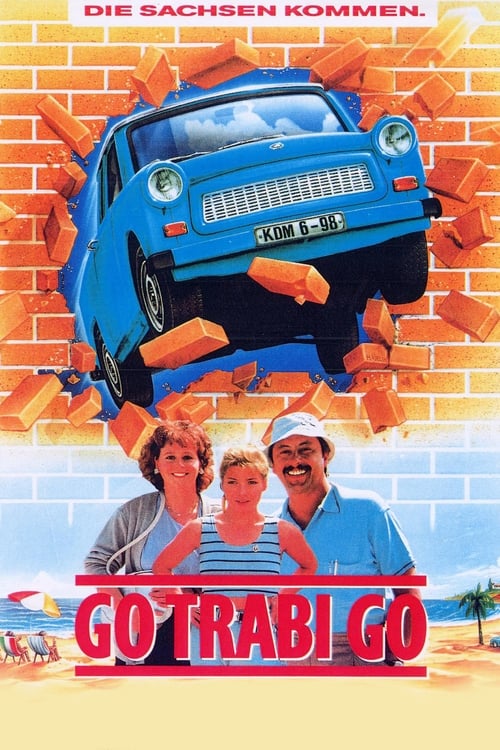
Family Struutz lives in Bitterfeld (GDR). After the fall of the wall, they take the opportunity to go on holiday with their car, an old Trabant. They simply want to visit Italy. But there are some incidents during their journey.

The four friends Lukas, Julius, Gino and Sanchez are trying to survive the everyday life in Neukölln, Berlin between drugs, gangs, rap, violence and boredom. Until they are one day making a serious decision with serious consequences because of a dead certain plan.
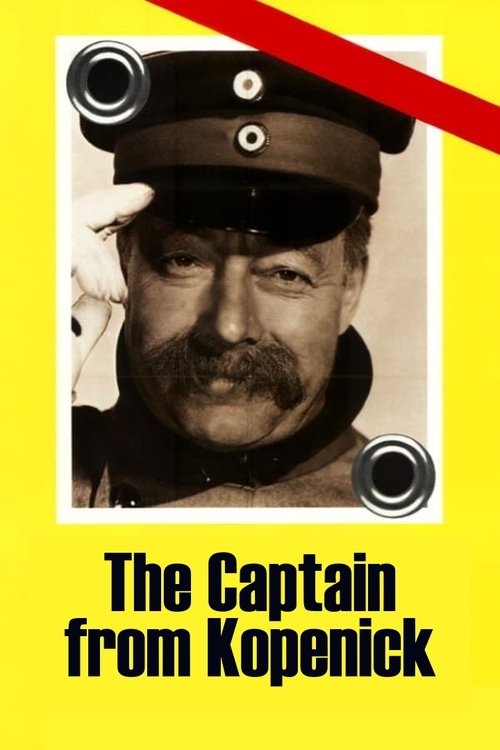
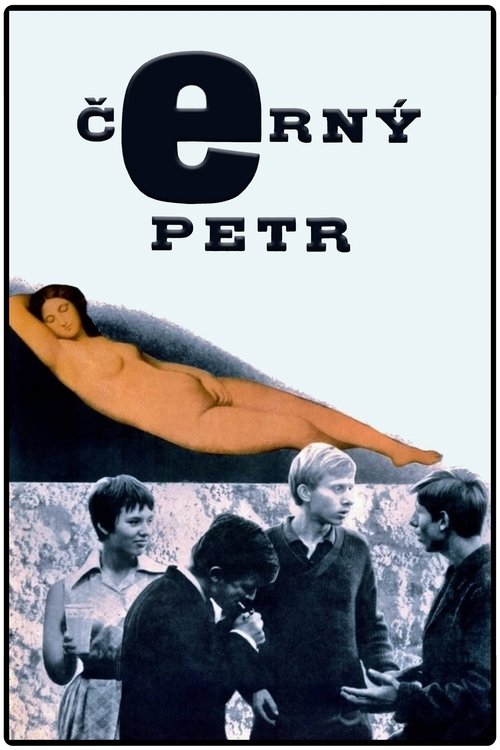
A young shoemaker is arrested for stealing a small amount of money, and is jailed for fifteen years. Upon his release, he wants to get a permit to get a job and start anew, but finds that without a job he can't get a permit, and without a permit he can't get a job. Ensnared in the absurd net of Prussian bureaucracy, he can't see any way out. That is, until he enters a thrift shop and spots a Prussian officer's uniform that fits him like a second skin...

The Hartmann family is turned upside down when mother Angelika decides to take in the refugee Diallo, against her husband's will. Amidst the typical chaos of our time, hope remains that the family finds its stability, confidence and peace again - just like the whole country.

Benjamin, a 16-year-old with lousy grades, switches to a boarding school in order to eventually reach grammar school. Adjusting to his new environment is difficult as he has to struggle with being a teen... specially when he falls in love to the school's dream girl, Malen.

During a trip to Berlin, a young Amish in the middle of a rite of passage reconnects with his roots, explores other ways of life, falls in love — and faces a big decision.

A group of German boys are ordered to protect a small bridge in their home village during the waning months of the second world war. Truckloads of defeated, cynical Wehrmacht soldiers flee the approaching American troops, but the boys, full of enthusiasm for the "blood and honor" Nazi ideology, stay to defend the useless bridge. The film is based on a West German anti-war novel of the same name, written by Gregor Dorfmeister.

Two families, Sebkovi and Krausovi, are celebrating Christmas, but not everyone is in a good mood. The teenage kids think that their fathers are totally stupid, and the fathers are sure that their children are nothing more than rebels, hating anything they say.

Frank Lehmann, 20, still lives with his parents in the dreary high-rise housing project "Neue Vahr" in Bremen. It's the year 1980 and Frank gets drafted to the army even though his friends assure him that "he's not really the guy for it". When he gets back home, after his first week at the army, his Dad has turned his room into a TV repair shop, so Frank has to move out. Luckily his old friend Martin is starting a commune with two other Punks in Bremens leftist borough "Viertel". Frank, without further ado rents the unlivable walk-through room. From now on Frank is a traveler between the Worlds. Each week he goes from the Army, with all the unconditional rules and regulations to the commune where his friends are preaching the world revolution. Frank is trying to avoid to stick out, but fails miserably, in both worlds.

When Adolf Hitler reawakens at the site of his former bunker in present-day Berlin, he is mistaken for a comedian and quickly becomes a media phenomenon.

From childhood to fatherhood, Piero learns things the hard way while growing up in a working-class neighborhood of Livorno.

The heterosexual man Axel is thrown out of his girlfriends home for cheating and ends up moving in with a gay man. Axel learns the advantages of living with gay men even though they are attracted to him and when his girlfriend wants him back he must make a tough decision.

A group of young slackers spend most of their time hanging out in front of a Munich apartment building. When a Greek immigrant named Jorgos moves in, however, their aimless lives are shaken up. Soon, new tensions arise both within the group and with Jorgos.

Two young Spanish men, with a university education, are tired of unemployment and decide to move to Germany. But soon they will find out that finding a better living is not as easy as they expected.

Two families attempt a daredevil plan to escape the GDR with a homemade hot air balloon, but it crashes just before the border. The Stasi finds traces of this attempt to escape and immediately starts investigations, while the two families are forced to build a new escape balloon. With each passing day the Stasi is closer on their heels – a nerve-wracking race against time begins.

Niko, a twenty-something college dropout, lives for the moment as he drifts through the streets of Berlin, curiously observing everyone around him and oblivious to his growing status as an outsider. Then on one fateful day, through a series of absurdly amusing encounters, everything changes.
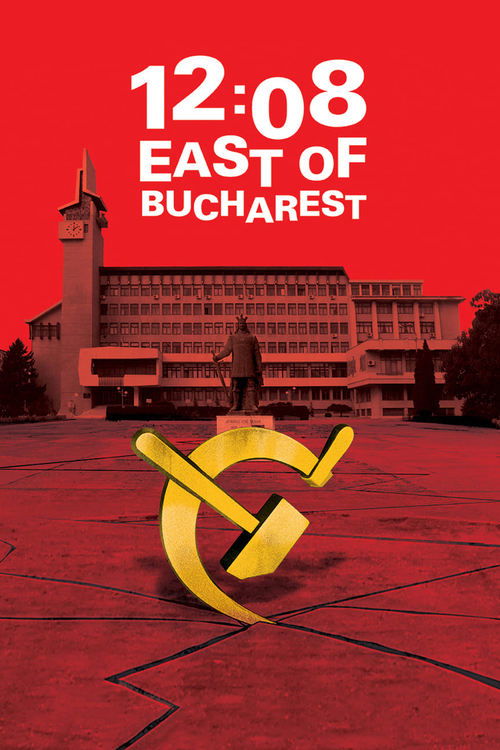
It's the 22nd of December. Sixteen years have passed since the revolution, and in a small town Christmas is about to come. Piscoci, an old retired man is preparing for another Christmas alone. Manescu, the history teacher, tries to keep up with his debts. Jderescu, the owner of a local television post, seems not to be so interested in the upcoming holidays. For him, the time to face history has come. Along with Manescu and Piscoci, he is trying to answer for himself a question which for 16 years has not had an answer: "Was it or wasn't it a revolution in their town?"
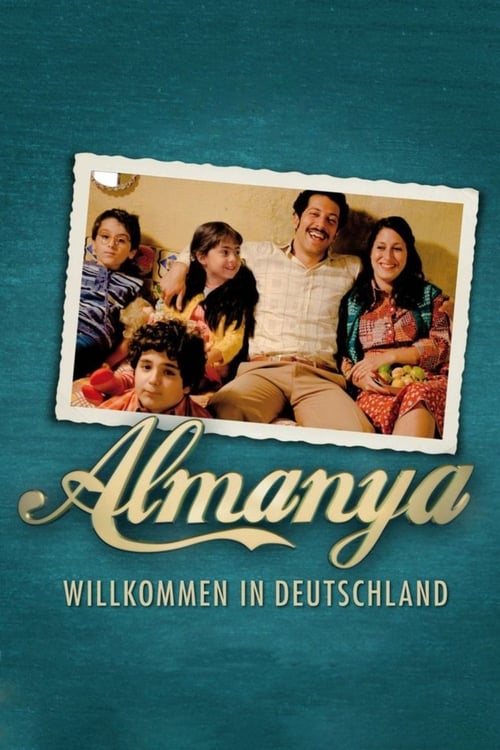
After living 45 years in Germany, the Turkish Hüseyin Yilmaz, seventy, announces to his family that he has bought a house in Turkey and they should return to make the necessary reforms. The idea is unwelcome and causes very heated discussions. In addition, Canan, a granddaughter of Hüseyin, announces she is pregnant and the father is her English boyfriend, and no one knew anything.

The time is 1945-46. 10 year old Eda and his friend Tonda live in a small village outside Prague. In school, their class is so wild and indisciplined that their teacher quits and is replaced by the militant Igor Hnidzo. He is very strict – but also very fair. His weakness though, is his interest in young women.

Three Italians travel to their hometown to vote for elections: Pasquale is a Southern immigrant living in Munich who's genuinely happy to come back to Italy, even if just for a few days, but the country he dreams of is far from reality; Furio travels to Rome with his family, but his niggling attitude threatens to push his wife Magda over the edge; young Mimmo is also going to Rome, but the trip is repeatedly interrupted by worries about his grandma's health.

After being abandoned by their Nazi parents at the end of World War II, five German siblings embark on a harrowing journey across their war-torn country. Led by the eldest, 14 year-old Lore, the children are forced to confront their parents’ actions and the reality of a new world.

David Berman and his friends, all Holocaust survivors, have only one purpose: to go to America as soon as possible. For this they need money. Close to his aim, David is not only deprived of his savings but also overtaken by his shady past.
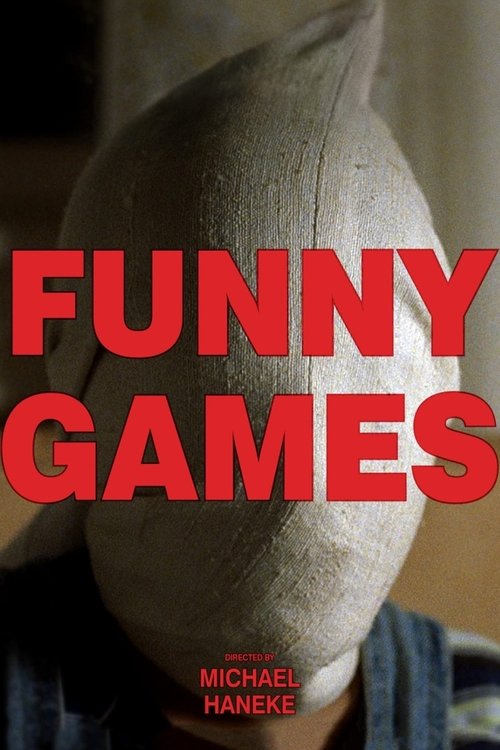
Two psychotic young men take a mother, father, and son hostage in their vacation cabin and force them to play sadistic "games" with one another for their own amusement.

Guner Sernikli is a government official who, with his wife and their wheelchair bound daughter, has been assigned as the head librarian to this isolated province, virtually an exile since there is no library in the village. The family is warmly welcome, but these are the years of political anarchy and leftist/rightist clashes in big cities and the youth of the village inevitably follow the tides. They arrive in Vizontele, just as the situation is becoming really absurd. Guner brings wisdom; his daughter Tuba brings beauty, innocence and love. Some like the Mayor, Nazmi Dogan and crazy Emin appreciate these things but they are in the minority and confusion continues to reign. The story is based on the memories of writer-director Yılmaz Erdoğan of the last summer of his childhood in Hakkâri, Turkey in 1980.

Germany director Dani Levy filmed this comedy about Jewish life in today’s Germany along side the familiar east-west conflict. With it great success this film is a joyful comedy of humor and knowledge.

You can’t choose your family – which is why Conrad limits his visits with his parents to an absolute minimum. When venomous, irritable Carl injures himself seriously in a fall, his reluctant son Conrad and the butt-of-all-jokes Jonas has no choice but to move back into his old childhood room. Three generations under one roof: a chance for reconciliation – or a total disaster?
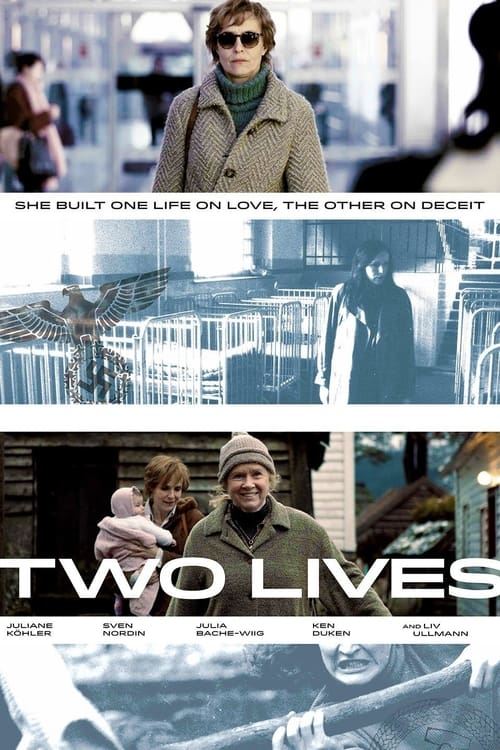
Europe 1990, the Berlin wall has just crumbled: Katrine, raised in East Germany, but now living in Norway for the last 20 years, is a “war child”; the result of a love relationship between a Norwegian woman and a German occupation soldier during World War II. She enjoys a happy family life with her mother, her husband, daughter and granddaughter. But when a lawyer asks her and her mother to witness in a trial against the Norwegian state on behalf of the war children, she resists. Gradually, a web of concealments and secrets is unveiled, until Katrine is finally stripped of everything, and her loved ones are forced to take a stand: What carries more weight, the life they have lived together, or the lie it is based on?

In 1942, Friedrich Weimer's boxing skills get him an appointment to a National Political Academy (NaPolA) – high schools that produce Nazi elite. Over his father's objections, Friedrich enrolls. During his year in seventh column, Friedrich encounters hazing, cruelty, death, and the Nazi code. His friendship with Albrecht, the ascetic son of the area's governor, is central to this education.

Convinced that his daughter has forgotten how to laugh, a father shows up unannounced while she's living abroad and bombards her with outrageous jokes.

Chronicles three years of a middle-class family seemingly caught up in their daily routines, troubled only by minor incidents. Behind their apparent calm and repetitive existence, however, they're planning something much more sinister.
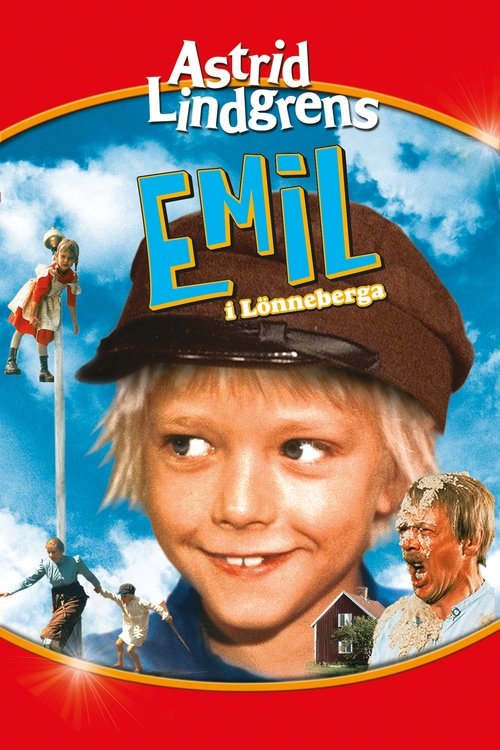
Emil Svensson lives with his mother and father, little sister Ida, farmhand Alfred, and maid Lina on a picturesque farm in Småland. He is an unusually lively little boy, who just can't resist trying out every whim that enters into his white-haired head. Always with the best intentions in mind, because he is a good-hearted child, but often with catastrophic results, especially for his short-tempered father. As a result, Emil spends a lot of quality time in the wood shed carving wood figurines and waiting for Anton's temper to cool down. And the father's patience is certainly tried, as Emil gets his head stuck in the family's only soup bowl, hoists little Ida up the flag pole, and arranges a lavish Christmas party for the poor.

Tanguy is 28 years old and still living with his parents. They think it's time he moves out. He doesn't, so they hatch a plan.

Since childhood Peter Schlönzke dreams of a career as a TV presenter. His great role model is Heinz Wäscher, who is always looking for talented young entertainers for his popular show. Peters mother announces her shy boy for an audition, which, although mercilessly goes wrong, but brings him a job as a cable helper. He meets the popular entertainer from the unlikely side: as a bus scrapper who despises his audience. When Peter stumbles into the limelight by chance, he has a unique chance - as successor to scrubber.

Oskar Matzerath is a very unusual boy. Refusing to leave the womb until promised a tin drum by his mother, Agnes, Oskar is reluctant to enter a world he sees as filled with hypocrisy and injustice, and vows on his third birthday to never grow up. Miraculously, he gets his wish. As the Nazis rise to power in Danzig, Oskar wills himself to remain a child, beating his tin drum incessantly and screaming in protest at the chaos surrounding him.

An intimate study of two women friends who come to each other because of troubles with everyday life and with men and thus try to enjoy a life based on their ideas.

In an Italian seaside town, young Titta gets into trouble with his friends and watches various local eccentrics as they engage in often absurd behavior. Frequently clashing with his stern father and defended by his doting mother, Titta witnesses the actions of a wide range of characters, from his extended family to Fascist loyalists to sensual women, with certain moments shifting into fantastical scenarios.

Eleven moving dates, eight friends: Philipp, Wiebke, Jessica, Maria, Swantje, Michael, Thomas, Dina – all in their twenties and mutually lonesome. And always searching: For a new city, a new job, an own apartment, a new, or even an old love. The search is never-ending, and so they repeatedly find themselves at a ritual gathering: someone moving. Boxes are shifted from one side of Berlin to the other, or the length and breadth of Germany, from one abode to the next as one life is exchanged for another. In 3 ZIMMER/KÜCHE/BAD, director Dietrich Brüggemann portrays existences in which relationships, social networks and backdrops are in a constant state of flux; where best friends are the only, and therefore the most valuable constant. Humorous sketches of the self-conception of a generation for whom moving has become the symbol of a life on the go.
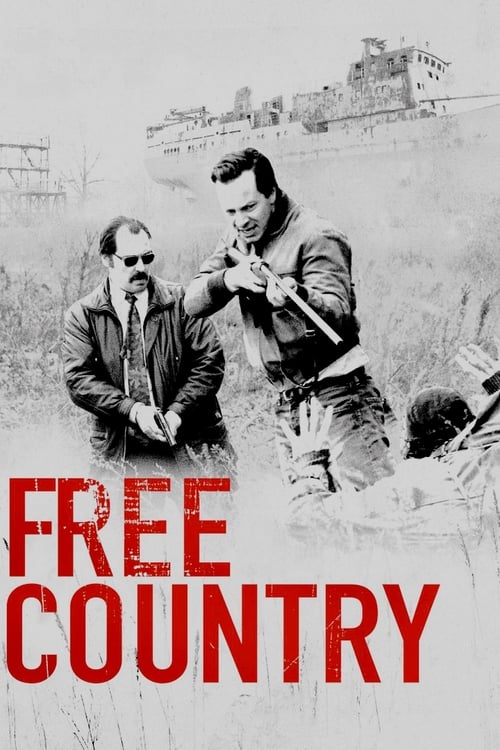
Former East Germany, 1992. Patrick Stein and Markus Bach, two very different police officers, are commissioned to investigate the disappearance of two female teenagers in a remote area of the country. Did they run away from home or did something more terrible happen to them?
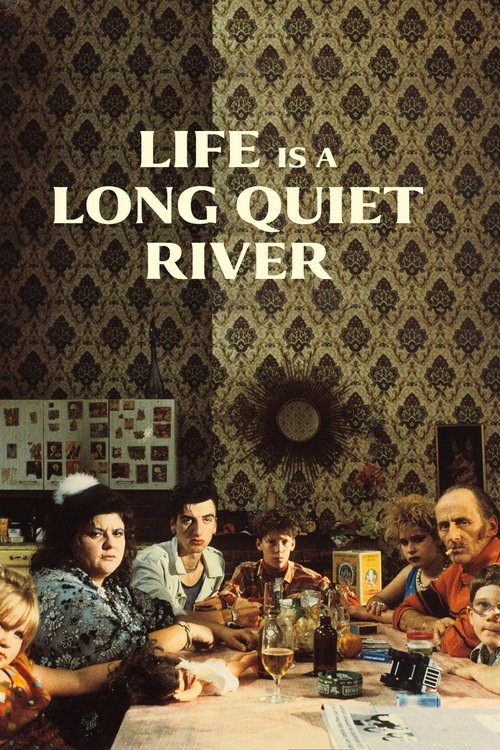
Two babies are switched at birth. When the mistake is discovered 12 years later, it leads to complications in the lives of both families. One family is affluent, with dutiful and (apparently) contented children. The other family is poor, with rambunctious (even delinquent) children, often hungry, but with lots of laughter in the house.

A listless and alienated teenager decides to help his new friend win the class presidency in their small western high school, while he must deal with his bizarre family life back home.

Retirees Karin, Gerhard and Philippa are not in the mood for Nordic walking and seniors' courses at the university. When Philippa, who is living life to the full as Leonie's godmother, helps the two to unexpected grandparenthood, they suddenly have two "lively" god-grandchildren to look after, a huge bouncy castle standing in the garden and Lego bricks stuck to their feet.

C.R. MacNamara is a managing director for Coca-Cola in West Berlin during the Cold War, just before the Wall is put up. When Scarlett, the rebellious daughter of his boss, comes to West Berlin, MacNamara has to look after her, but this turns out to be a difficult task when she reveals to be married to a communist.

6th-grader Terkel begins experiencing a streak of bad luck after sitting on a black spider. His teacher dies and is replaced by the strange Justin. At home, Terkel's Uncle Stewart erupts in sporadic fits of rage, and at school Terkel is bullied by two boys after they learn that fat Doris likes him. On a school camping trip, Terkel begins receiving death threats and must figure out who wants to kill him.
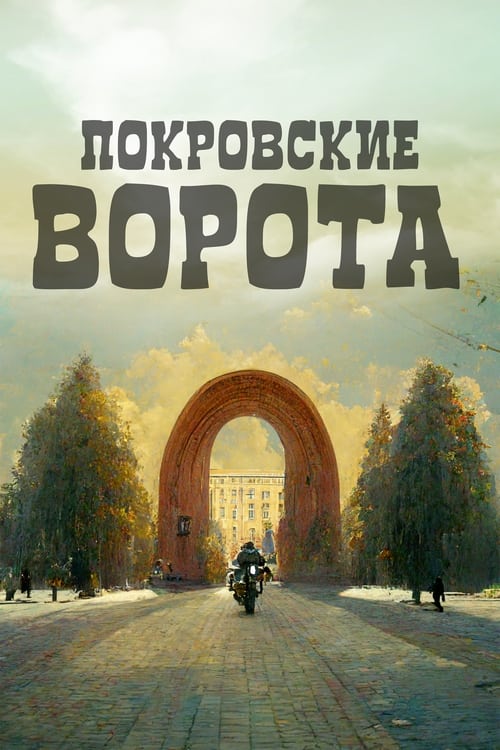
Stories from the lives of the tenants of the Moscow's communal apartment: Kostik, who is a college student, lives with his aunt while studying; Arkady Velyurov who is a performing artist; Khobotovs, who are a divorced couple; and Sava, who is Margarita Khobotov's new fiancé. All these people live in one apartment and their lives constantly touch each other's.

The celebration of the 50th anniversary of “Capitol-Insurance” is due – that's what the bosses thought. All employees are invited to join the party in a hotel. However, rumors say the company's not doing very well. To avoid unemployment due to the possible shutdown of the smaller branch office the only option is to move to the headquarters. Now that's the ultimate challange for Stromberg, who is notoriously trying to be the example of a department manager, gathering all of his employees behind him.

Marleen is in her early 20s, works in a movie theater, still lives at home and is somehow aimless. Her parents torment her with questions about her future and her brother is a high-flyer who has already traveled halfway around the world. When a tragic accident plunges her into sheer endless grief, Marleen just wants to get away. Equipped with the bare essentials, she sets off on a journey into the unknown.

A criminal subculture operates among U.S. soldiers stationed in West Germany just before the fall of the Berlin wall.

Having just moved back in with his working-class parents, twentysomething on-and-off philosophy undergrad Walter navigates turn-of-the-millennium Turin and Gen-X ennui.

Julian, Yasin and Addi learn from the executor of their deceased mother's will that the three men, who had previously been complete strangers, are brothers. The news hits like a bomb. A German family man with a penchant for tricks, a spoiled, ambitious Turk and a rapping African – the three siblings immediately hate each other and it would all be nice if their paths were to separate again soon.

Stalinstadt, East Germany, 1956. While the Hungarian uprising against Soviets is taking place, teenage members of a classroom of the local school perform a seemingly harmless act that causes unexpected consequences.
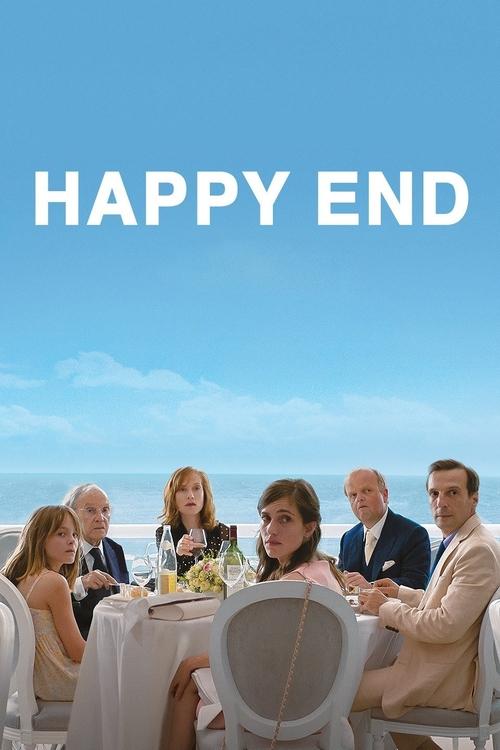
A well-to-do French family living in Calais deal with a series of setbacks and crises while paying little attention to the grim conditions in the refugee camps within a few miles of their home.

When her social-climbing father is relocated from small-town North to his native Rome, 12-year-old Caterina enrolls to his old school, finding herself at sea with an environment where students sort themselves by social class and their parents' political affiliation.
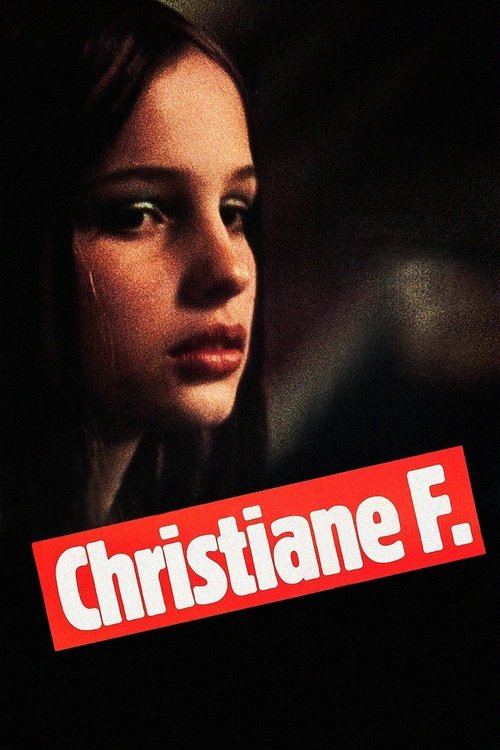
This movie portrays the drug scene in Berlin in the 70s, following tape recordings of Christiane F. 14 years old Christiane lives with her mother and little sister in a typical multi-storey apartment building in Berlin. She's fascinated by the 'Sound', a new disco with most modern equipment. Although she's legally too young, she asks a friend to take her. There she meets Detlef, who's in a clique where everybody's on drugs. Step by step she gets drawn deeper into the scene.

Werner, Andi and Eckat play dice to determine the next king of the trio. When Werner is crowned king, he decides for all of them to skip work and start for Korsika.

The movie portrays the story of an Italian family emigrated in Germany in the 1970s. Romano (Gigi Savoia), the father, decides to open a pizzeria which, by mutual decision with the wife Rosa (Antonella Attili), will call Solino, leaving his sons Gigi and Giancarlo to work there. A hostile relationship comes to life between the father and his sons, which will end up in the escape of the boys from family.

Composed of six unconventional vignettes, each one dealing with the late communist period in Romania, a narrative is told through its urban myths from the perspective of ordinary people. The title refers to the alluded "Golden Age" of the last 15 years of Ceaușescu's regime.
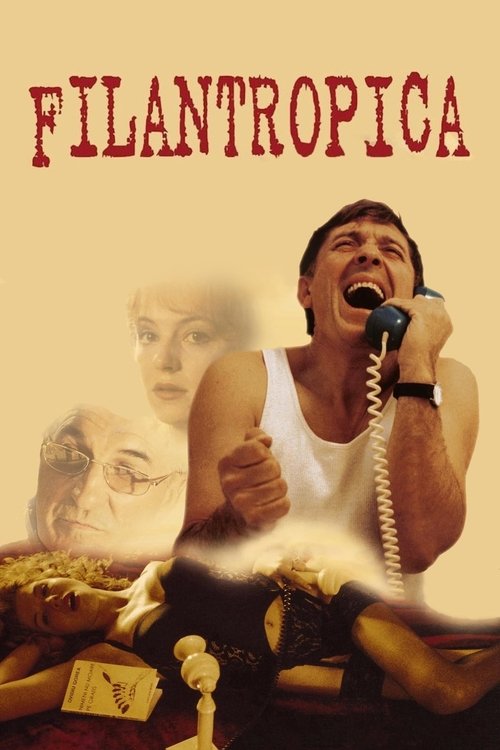
In 21st century Bucharest, to go out in the city on Saturday evening on the arm of a beautiful woman is a risky financial investment. Ovidiu, an unassuming high school teacher, never could afford it. Looking for a source of income more substantial than a teacher's salary, Ovidiu plunges into a fabulous world – the beggar mob.
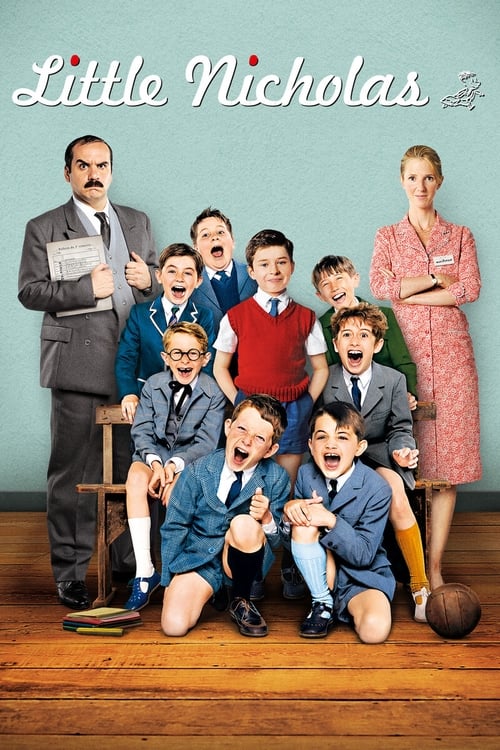
Nicolas has a happy existence, parents who love him, a great group of friends with whom he has great fun, and all he wants is that nothing changes. However, one day, he overhears a conversation that leads him to believe that his life might change forever, his mother is pregnant! He panics and envisions the worst.
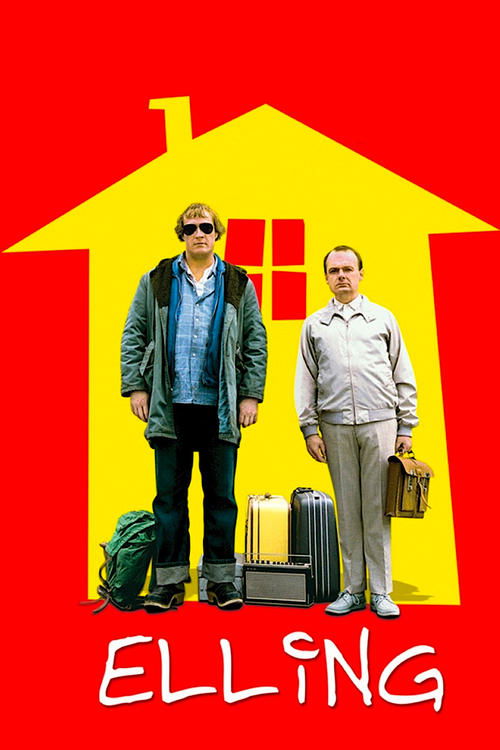
40-year-old Elling, sensitive, would-be poet, is sent to live in a state institution when his mother, who has sheltered him his entire life, dies. There he meets Kjell Bjarne, a gentle giant and female-obsessed virgin, also in his 40s.

When their little cheat fails, Alain and Jean-Pierre fail their final high-school exams in English. Their parents deny them the planned vacation to the Côte d’Azur and send them instead to Ramscale in England, to improve their English. However, many other parents had the same idea, so they meet more of their own than English folks and end up more at beach parties than in class. Only with the girls do they seem to have no luck, although they desperately try...

Who said a patchwork family is without problems? Two years after the turbulence of Kokowääh, everyday life turns to everyday chaos…
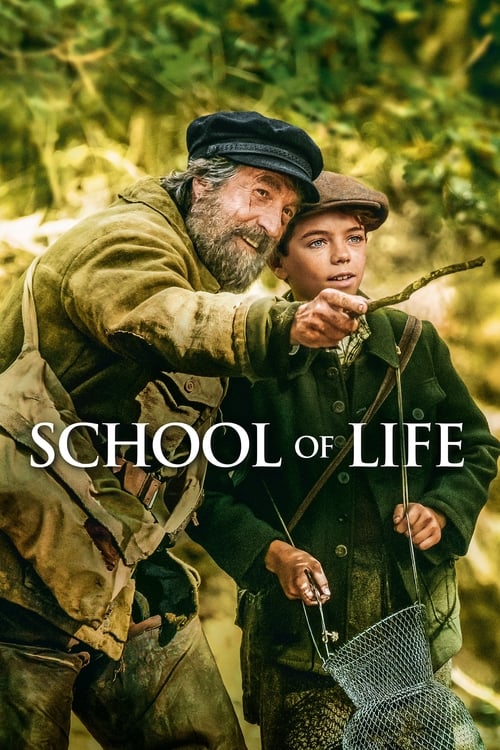
Paris 1930. Paul has only ever had one and the same horizon: the high walls of the orphanage, an austere building in the Parisian working class suburbs. Entrusted to a joyful country woman, Célestine, and her husband, Borel, the rather stiff gamekeeper of a vast estate in Sologne, the city child, recalcitrant and stubborn, arrives in a mysterious and disturbing world, that of a sovereign and wild region. The huge forest, misty ponds, heaths, and fields all belong to the Count de la Fresnaye, an elderly taciturn man who lives alone in his manor.
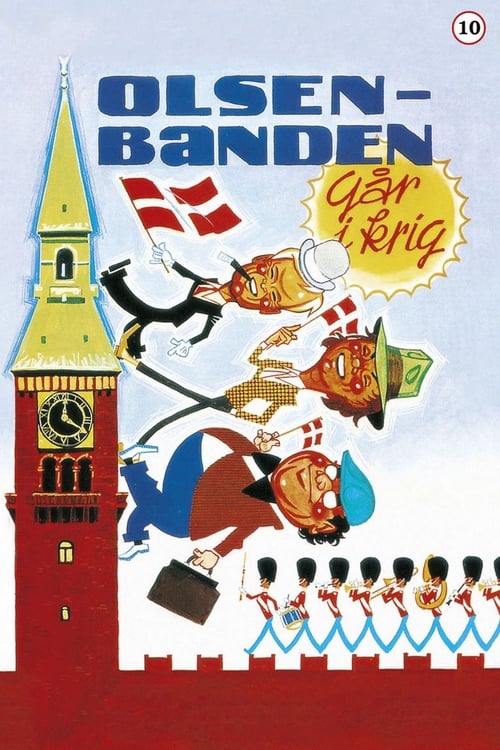
Some criminal EU ministers plan to turn Denmark into a gigantic fair ground and holiday paradise. Egon gets his hand at some important documents which could both make him rich and take care of Denmark's future.

After five failed attempts to go to the United States, 18-year-old Ramón decides to look for a friend’s aunt in Germany, but never finds her. With no papers or money, and without knowing the language, he barely survives living on the street until he meets Ruth, an old retired nurse who doesn’t speak Spanish. Beyond language barriers and prejudices, they discover that solidarity and humanity make life bearable.

Sonia breaks the perhaps most exciting time of her life, because the 20-year-old moves to Berlin for a mathematics study. Once there, she soon began to build up a new circle of friends, and then she fell in love with the kind, but irresponsible Ladja. There is only one big catch: the dear money is a bit scarce and therefore Sonia one day, financially, but also from curiosity, the path to prostitution. From now on, it leads a brisk double flight, which can fly at any time. Her experiences are ambivalent, as part-time she often gets into difficult situations, but also gets to know nice people, while she enjoys life just as a student. But how long can it maintain the double game?
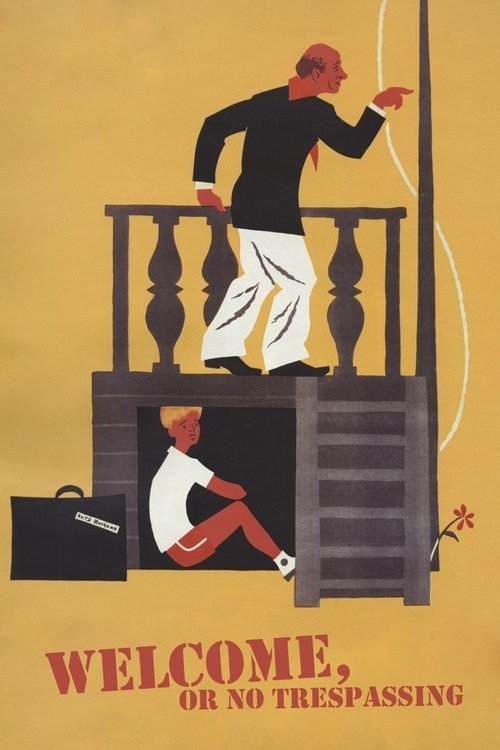
A satirical comedy about the excessive restrictions that children face during their vacation in a Young Pioneer camp.

Back from their trip abroad, the family must meet the people of the neighborhood while preparing for the 25th anniversary of Zonnedael. Ma falls in love with a bum that is not exactly what he seems to be.
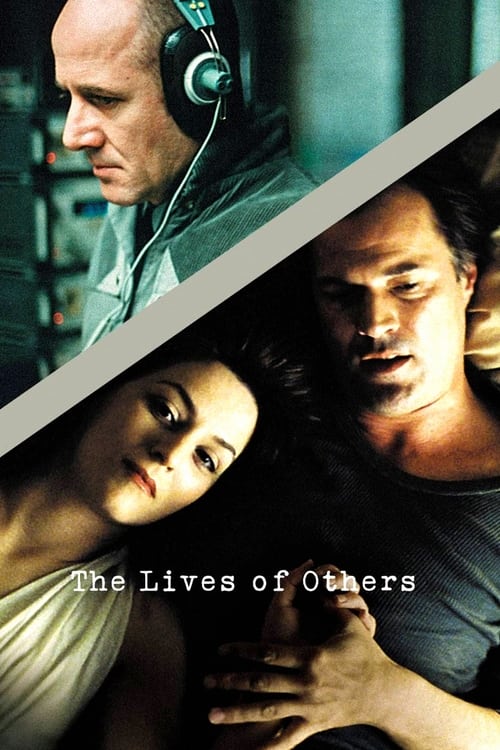
In 1984 East Berlin, dedicated Stasi officer Gerd Wiesler begins spying on a famous playwright and his actress-lover Christa-Maria. Wiesler becomes unexpectedly sympathetic to the couple, and faces conflicting loyalties when his superior takes a liking to Christa-Maria.

Ah-Ching and his friends have just finished school in their island fishing village, and now spend most of their time drinking and fighting. Three of them decide to go to the port city of Kaohsiung to look for work. They find an apartment through relatives, and Ah-Ching is attracted to the girlfriend of a neighbor. There they face the harsh realities of the big city.

The lives of two Danish families cross each other, and an extraordinary but risky friendship comes into bud. But loneliness, frailty and sorrow lie in wait.

In an ordinary Moscow there is an unusual House — with a strange apartment in which not a single resident has stayed for long. And as soon as an independent mother and her lovely 8-year-old daughter moved there, the new residents find out that their living space is not that ordinary, and that the real House Elf lives there. But the House Elf has long been offended by the whole human race and would do all imaginable filth in order to remain alone in the ill-fated apartment.

Somewhere behind the early 1960s cold-war iron curtain, the Hollander family cause an international spying incident when Walter photographs a sunset in a sensitive region. In order to stay out of jail, the Hollanders take refuge in the American Embassy, which is temporarily being run by the absent Ambassador's diplomatically incompetent son, Axel.

Xate is an ordinary woman from Midyat with eight children in tow. The only thing that sets her apart is her husband's job as Mayor of Midyat. Until, that is, an extraordinary day changes her life - and the lives of everyone else in Midyat. For the illiterate, uneducated Xate becomes Mayor of Midyat! While she takes on her mayoral duties much as she does those in her house, the infantile rivalry between her children in municipal matters leads to adventures that have the Midyat folk howling with laughter.

Shin-chan must rescue the adults of Kasukabe when they mysteriously abandon their responsibilities to relive their youth at the new 20th-century expo.

Forty-year-old Andreas arrives in a strange city with no memory of how he got there. He is presented with a job, an apartment - even a wife. But before long, Andreas notices that something is wrong. Andreas makes an attempt to escape the city, but he discovers there's no way out. Andreas meets Hugo, who has found a crack in a wall in his cellar. Beautiful music streams out from the crack. Maybe it leads to "the other side"? A new plan for escape is hatched.
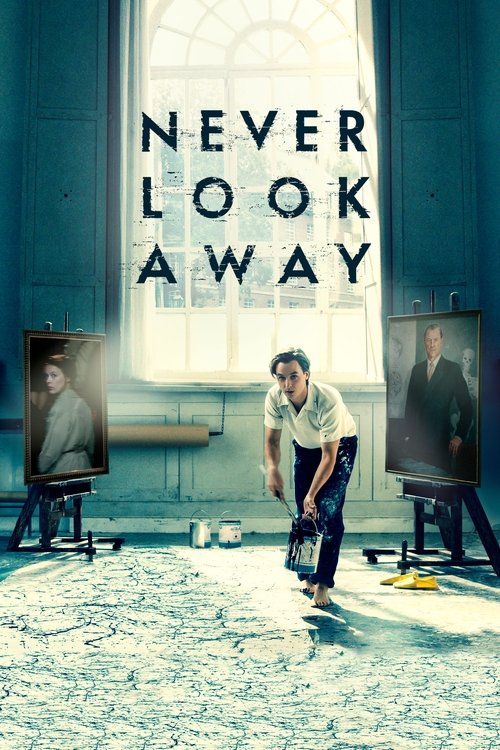
German artist Kurt Barnert has escaped East Germany and now lives in West Germany, but is tormented by his childhood under the Nazis and the GDR regime.

Germany, 1945. Soldier Willi Herold, a deserter of the German army, stumbles into a uniform of Nazi captain abandoned during the last and desperate weeks of the Third Reich. Newly emboldened by the allure of a suit that he has stolen only to stay warm, Willi discovers that many Germans will follow the leader, whoever he is.
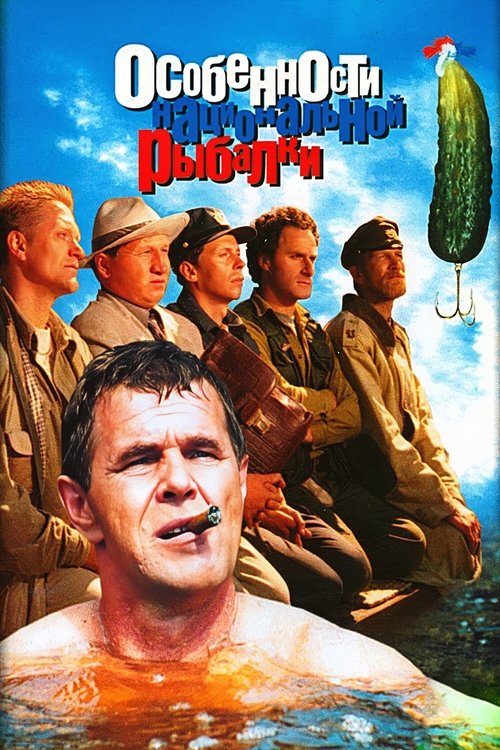
General Ivolgin, forester Kuzmich, and good-natured Lyova lose their way on a fishing trip and wind up in a neighboring country, where they decide to have a good time anyway but end up leaving their vodka and fishing equipment behind.
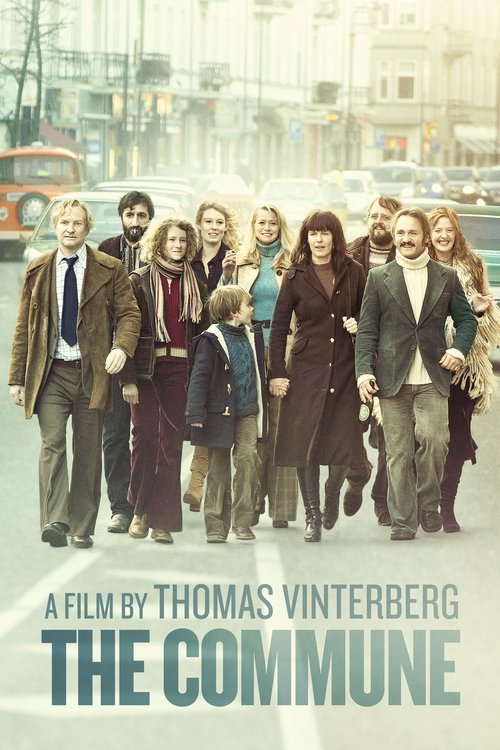
A funny and moving story of family and free love set in a freewheeling 1970s commune. When Anna and Erik inherit a huge house, they gather a motley crew of cohabitants to reinvigorate their lives, forcing them to reconcile their new values with old habits.

The story of a close-knit group of young kids in Nazi Germany who listen to banned swing music from the US. Soon dancing and fun leads to more difficult choices as the Nazis begin tightening the grip on Germany. Each member of the group is forced to face some tough choices about right, wrong, and survival.

A young French Canadian, one of five boys in a conservative family in the 1960s and 1970s, struggles to reconcile his emerging identity with his father's values.

Six high school friends in their 40s who haven't seen each other in nearly 20 years rekindle their younger selves after a court cancels their diploma, forcing them to repeat the final high school exam.
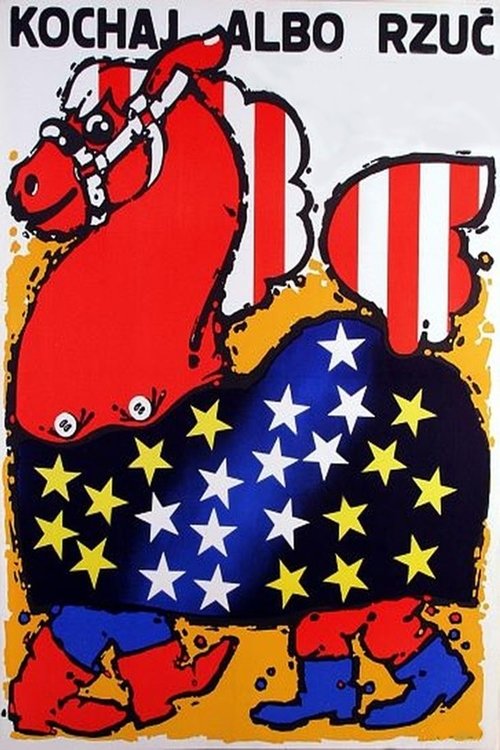
Pawlak and Kargul - neighbors, frenemies, and grandfathers to Ania- both receive invitation to America from Pawlak's brother- John. All three of them travel to Chicago, where they discover John has passed away, and they arrived just in time for his funeral. But first- they need to find his illegitimate daughter. Set in late 70's story of two, charming, Polish villagers' adventures in Chicago is a third installment of Pawlak and Kargul adventures.

A group of old friends have a tradition of going to a public bathing house on New Year's Eve. Occasionally too much vodka and beer makes two of them unconscious. The problem is that one of them (Sasha) has to go to Leningrad but another one (Zhenya) goes. Zhenya wakes up at Leningrad airport. Believing that he is still in Moscow he takes a taxi and goes home. The street name, building and even apartment number, the way an apartment complex looks the same and the key coincide completely - just typical Soviet-type 'economy' architecture. Imagine the surprise of Nadya when she enters her apartment and finds a man without trousers in her bed. What's more - Nadya's fiancé also finds him there...

Eva lives a happy life with her father, an unsuccessful but always optimistic car salesman, her consumerist mother, and her quirky grandmother. But Eva is a tad different - she suffers from Tourette's syndrome. Her family has long been accustomed to her tics and the accompanying insults and bullying, and Eva has come to grips with her role as an outsider. When her father gets a job offer to work in Berlin, they must suddenly leave their familiar surroundings. But Eva won't have it, this move must be prevented - at any price!

Inken and Lucy are facing hard times when their parents' money is radically cut off. Together with Lena, who is fed up with her boyfriend, they desperately search for money, an apartment and love. But because each individual point is difficult to realize on its own, the girls decide to kill all three birds with one stone for the sake of simplicity. The solution: they need rich, nice boys with suitable living space - and they need them now! But until then, horrendous rents, false identities and sleazy neighbors put their friendship to the test.

Fear, anger, sadness, joy, disgust, envy, shame. Adaś Miauczyński goes back to his childhood days when, like most of us, he used to find it problematic to name the emotions that accompanied him. To improve the quality of his adult life, he decides to return to that time – which proves not so carefree after all – to learn how to experience the seven basic emotions. This extremely unpredictable journey into the past features an abundance of hilarious, even comical, situations but is also filled with lots of touching moments and food for thought.

It's South Africa 1990. Two major events are about to happen: The release of Nelson Mandela and, more importantly, it's Spud Milton's first year at an elite boys only private boarding school. John Milton is a boy from an ordinary background who wins a scholarship to a private school in Kwazulu-Natal, South Africa. Surrounded by boys with nicknames like Gecko, Rambo, Rain Man and Mad Dog, Spud has his hands full trying to adapt to his new home. Along the way Spud takes his first tentative steps along the path to manhood. (The path it seems could be a rather long road). Spud is an only child. He is cursed with parents from well beyond the lunatic fringe and a senile granny. His dad is a fervent anti-communist who is paranoid that the family domestic worker is running a shebeen from her room at the back of the family home. His mom is a free spirit and a teenager's worst nightmare, whether it's shopping for Spud's underwear in the local supermarket
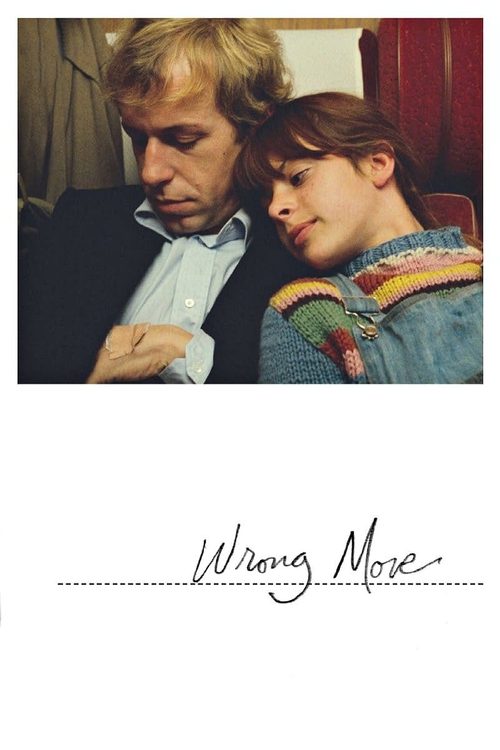
Six days in the life of Wilhelm: a detached man without qualities. He wants to write, so his mother gives him a ticket to Bonn, telling him to live. On the train he meets an older man, an athlete in the 1936 Olympics, and his mute teen companion, Mignon. She's an acrobat in market squares for spare change.